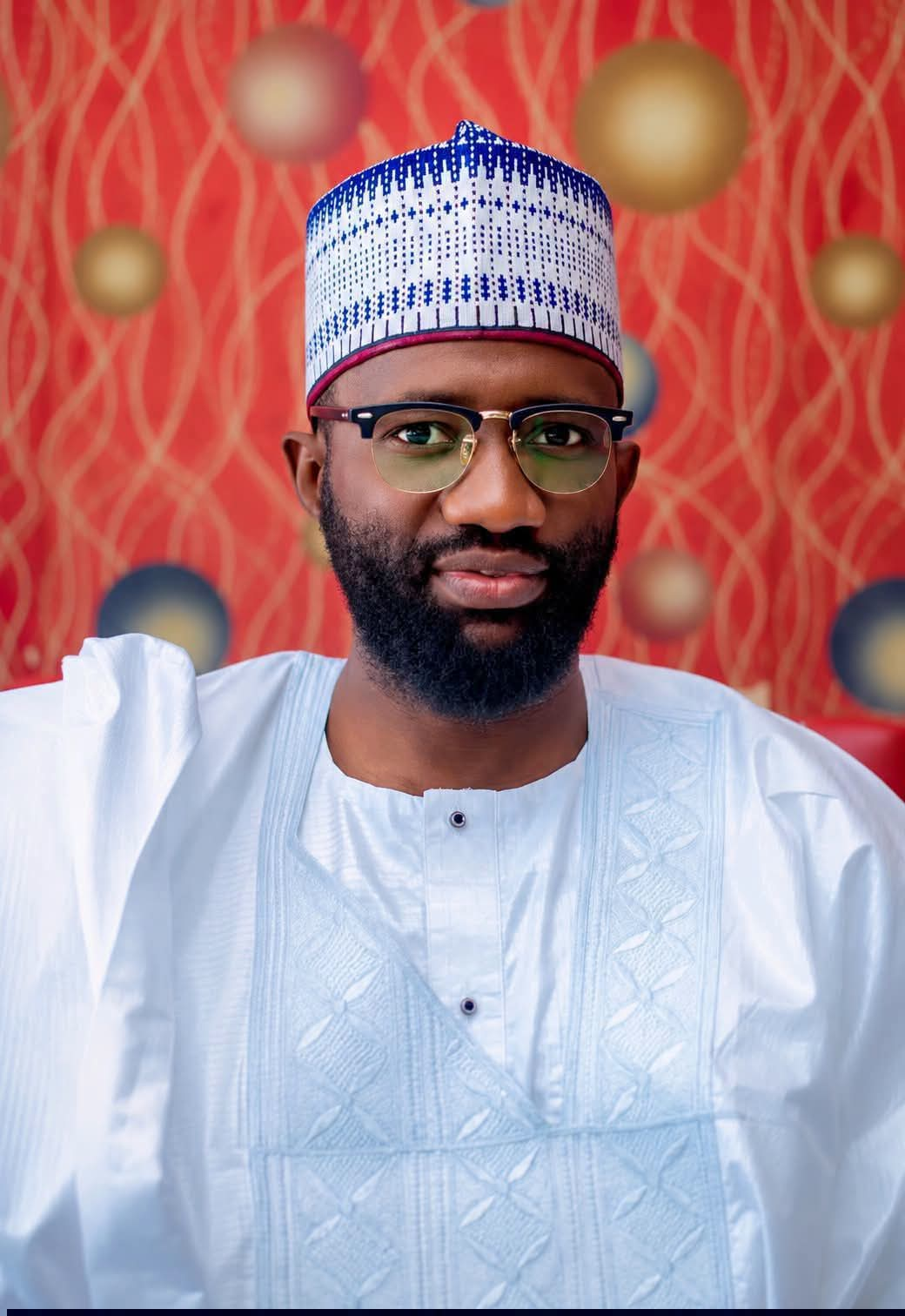
The political landscape in Kano Central Senatorial District is witnessing a gradual but noticeable shift as increasing numbers of young voters, professionals and community stakeholders rally behind the senatorial ambition of Dr. Nafiu Sankara ahead of the next election cycle.
Though the contest is expected to feature some of Kano’s most experienced political figures, discussions across the district are increasingly focused on the emergence of a new generation of leaders and what many describe as a growing demand for fresh ideas, innovation and people-oriented governance.
Dr. Sankara, a renowned development advocate and grassroots mobiliser, has continued to attract attention through his emphasis on youth empowerment, economic development and inclusive representation. Political observers note that his message is resonating strongly among first-time voters and younger residents who believe Kano Central requires a more dynamic approach to leadership.
Across several communities within the district, supporters say Dr. Sankara’s popularity stems from his accessibility and consistent engagement with ordinary citizens. Many argue that voters are becoming more interested in leaders who maintain close contact with their constituents and actively participate in addressing community challenges.
A youth leader in Tarauni Local Government Area described the current political atmosphere as one driven by changing expectations.
“Young people want leaders who understand today’s realities. Issues such as unemployment, digital innovation, education and economic empowerment are becoming major concerns, and many believe these areas require a new approach,” he said.
Analysts also suggest that demographic realities may play a significant role in shaping the upcoming contest. With youths constituting a large percentage of the voting population, candidates perceived as being closer to their aspirations are expected to gain considerable momentum.
Dr. Sankara has repeatedly identified job creation and economic opportunities as major priorities in his campaign. According to him, empowering young people through entrepreneurship support, vocational training and investment-friendly policies remains critical to sustainable development.
He has argued that economic growth can only be achieved when governments create environments that encourage innovation, small business growth and private-sector participation.
Beyond youth-focused policies, Dr. Sankara has also maintained a strong emphasis on infrastructure development. He believes improving roads, healthcare facilities, schools and electricity supply would not only improve living standards but also stimulate economic activities across the district.
Political commentators say this development-focused message is helping him attract support from a wide range of demographic groups, including women, traders, professionals and community leaders.
His campaign activities have also generated conversations about citizen-driven governance, transparency and accountability. Supporters believe these issues have become increasingly important as voters seek leaders they can hold responsible for campaign promises and public commitments.
While established political figures continue to command significant influence within Kano politics, observers note that the growing attention around Dr. Sankara demonstrates an increasing appetite for alternative leadership options among sections of the electorate.
As preparations for the next elections gather pace, the Kano Central Senatorial race is gradually evolving into a contest that may be defined not only by political structures and party affiliations but also by competing visions about the future direction of leadership in the district.
Whether the momentum currently surrounding Dr. Sankara will translate into electoral success remains uncertain. However, what is becoming evident is that conversations about youth participation, generational renewal and development-focused representation are steadily moving to the centre of political discourse in Kano Central.
For many voters, the election may ultimately be less about political history and more about which candidate can best articulate and deliver a vision for the future.