Traditional Li textile techniques get all-round protection, development in Hainan province

By Cao Wenxuan, People’s Daily

Traditional Li textile techniques: spinning, dyeing, weaving and embroidering were added by UNESCO to its Representative List of Intangible Cultural Heritage of Humanity, according to the 19th session of the Intergovernmental Committee for the Safeguarding of Intangible Cultural Heritage held on Dec. 5.

The techniques were already included in the List of Intangible Cultural Heritage in Need of Urgent Safeguarding in 2009.

Tan Zhaoyan, who lives in Wuzhishan, south China’s Hainan province was quite excited about the news.

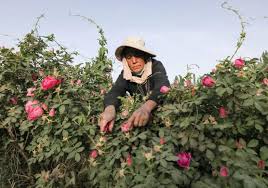
The traditional textile techniques of spinning, dyeing, weaving and embroidering of the Li ethnic group refer to the traditional techniques adopted by Li women in Hainan province to make clothes and other articles of daily use with natural fibers such as cotton and flax. Textile made with these techniques are known as “Li embroidery.”

Under the influence of her grandmother and mother, Tan, born in the 1990s, learned these techniques at a young age. However, her grandmother and mother would still be concerned sometimes about the declining interest among young people in learning these traditional skills.

Upon graduating from university, Tan found herself at a crossroads, torn between pursuing a conventional career path and preserving the heritage of Li textile techniques. In 2015, she decided to return home and establish a Li embroidery studio, dedicating herself to the preservation and transmission of these invaluable skills.

Her studio was a 10-square meter room with a loom and a sewing machine. Tan and her mother were the only employees.

Despite the rough start, Tan’s business soon thrived. As China sped up efforts to protect intangible cultural heritage, protection and training facilities of Li textile techniques sprung up, and Tan were always busy weaving, selling and negotiating with partners.

“I found there were more people interested in these techniques, and some villagers even wanted to join my studio,” Tan told People’s Daily.

In 2019, she set up a Li embroidery culture company, whose sales volume exceeded 700,000 yuan ($96,130) last year.

In addition to the significant efforts dedicated to safeguarding Li textile techniques, Tan attributed the success of her business to another key factor. As she showcased a video on her mobile phone featuring models flaunting garments adorned with Li embroidery elements on the runway at this year’s Paris Fashion Week, Tan emphasized the impact of this additional reason.

In order to make Li textile techniques more modern and international, an international Li embroidery training program was hosted by the Wuzhishan municipal government and Istituto Marangoni, a private Italian school of fashion and design in August last year.

The program selected 30 Li textile artisans from Hainan and offered them free training for two years. Tan was among the 30 selected.

“Leather making and Li textile techniques can spark a unique synergy,” Tan remarked. “Variations in pattern size can also exude distinct beauty.”

In the classroom, renowned foreign designers introduced new concepts, inspiring Tan to draw inspiration from her surroundings. “For a homework assignment, I crafted accessories using beads that collected from grass and wove them into a waistband. It didn’t take long for a tourist to spot and purchase it in the store,” Tan said.

In early September this year, when Tan learned of the opportunity to participate in the Paris Fashion Week, she felt a mix of nervousness and excitement.

“After receiving the design sketches from the designer, we needed to fill the design papers and verify relevant information, and then distribute them to local weavers,” Tan said.

Within just two weeks, the Li textile artisans from Hainan provided 10 patterns and nearly 30 fabric samples. Ultimately, the Li textile garments they designed became a hit during the Paris Fashion Week.

“International exchange activities not only introduce Li embroidery and culture to more people, but also allow inheritors of intangible cultural heritage to absorb and incorporate new design concepts, infuse fashion into their works, and keep the Li textile techniques up-to-date,” said Wang Yuzhao, deputy director of the Wuzhishan cultural center.

Since last year, Wuzhishan has dispatched four groups totaling 69 intangible cultural heritage professionals to showcase intangible cultural heritage clothing and skills at the Milan Fashion Week in Italy, as well as to participate in tourism and cultural promotion activities in Singapore and Malaysia.

These international occasions brought market benefits to Li embroidery. Soon after the Paris Fashion Week concluded, Tan received a cooperation invitation from a company outside Hainan, with a plan to produce 1,500 pieces of Li embroidery.

“I’ve been rushing to finish orders recently, hoping that Li embroidery will be seen and loved by more people,” Tan said.

“Li embroidery is hailed as the ‘living fossil’ of China’s textile industry,” said an official with the Department of Tourism, Culture, Radio, Television, and Sports of Hainan Province. According to the official, five 300-square-meter Li embroidery craftsmanship centers and 16 villages for the inheritance of the techniques have been established in six cities and counties.

The number of inheritors has grown to over 20,000, and more than 100 primary and secondary schools in the province have introduced practical courses on Li textile techniques.

Meanwhile, Hainan province is formulating a five-year action plan (2025-2029) for the protection and development of traditional Li textile techniques of spinning, dyeing, weaving and embroidering, aiming to comprehensively enhance the protection and inheritance of these techniques and further advance their industrial development.

China is confident inpromoting sustained economic growth

By He Yin, People’s Daily

The recently concluded China’s Central Economic Work Conference sent a clear and optimistic signal that China’s economy will brave the wind and the waves and sail steadily into the future.

The international community has closely followed and positively interpreted the outcomes of the conference, believing China will inject greater stability and momentum into the world economy.

Over the past year, in the face of a complicated and challenging environment of increasing external pressure and growing internal difficulties, China’s economic journey has been extraordinary with encouraging achievements. The Chinese economy has maintained overall stability and made steady progress, the high-quality development has been solidly promoted, and the main goals and tasks of China’s economic and social development are expected to be successfully completed.

Notably, the decisive deployment of a package of incremental policiesat the meeting held by the Political Bureau of the Communist Party of China (CPC) Central Committee on Sept. 26 has effectively boosted social confidence and led to a remarkable economic recovery.

This year, the Chinese economy is expected to grow by around 5 percent and continue contributing around 30 percent to the world economic growth. International observers see this as a testament to the strong resilience and immense potential of the Chinese economy.

China’s economy is underpinned by a stable foundation, multiple advantages, strong resilience, and great potential, and the supporting conditions and fundamental trends for long-term sound economic development have not changed.

China is a large economy with a massive domestic market and a robust industrial ecosystem, which helps create a “dualcirculation” pattern that allows its domestic and international economic activities to reinforce each other. The benign interactions between the Chinese and international markets lay a solid foundation for China’s steady and sustained economic progress.

China boasts a comprehensiveindustrial system with diverse business entities that are highly adaptable to changing environments, and Chinese households have a high savings rate that provides resilience against economic fluctuations. These factors collectively underline the remarkable resilience of the Chinese economy.

China remains a developing country that faces challenges of unbalanced and inadequate development. However, these very challenges also signify the country’s untapped growth potential and serve as powerful drivers for further progress.

The world economy is facing manydifficulties and challenges, and trade protectionism, unilateralism, and geopolitical tensions are clearly on the rise, which have heightened uncertainty in economic operations worldwide. China has the conditions and room to strengthen counter-cyclical adjustments, which provides strong policy support for achieving annual goals and tasks.

China’s Central Economic Work Conference this year unveiled a host of effective policy measures targeted at stabilizing public expectations and boosting market confidence.

Next year, China will implement a more proactive fiscal policy and shift to a moderately loose monetary policy for the first time after having a prudent monetary policy for 14 consecutive years. The country will vigorously boost consumption, improve investment efficiency, and expand domestic demand on all fronts. It will also drive the development of new quality productive forces through scientific and technological innovation and build a modernized industrial system.

International analysts observed that China has all the tools it needs to adapt to its new geopolitical environment, accelerate domestic transformation, and bolster economic dynamism.

Cultivating new quality productive forces for high-quality development

China is solidly advancing high-quality development and continuing to lead the efforts toimprove the performance of the world economy.

New quality productive forces have provided crucial support for China’s high-quality development. China has made significant advancements in scientific and technological innovation, such as integrated circuit, artificial intelligence, and quantum technology. Chinese traditional industries have been embracing high-end, intelligent and green development.

Besides, the country has built almost 10,000 digital workshops and smart factories, among which over 400 have been cultivated as Chinese national-level smart manufacturing demonstration factories.

The Central Economic Work Conference this year has made a comprehensive arrangement to drive the development of new quality productive forces. It emphasized the need to strengthen basic research and strive for breakthroughs in key and core technologies, adopt forward-thinking arrangements for major technological projects, conduct large-scale demonstration for the application of new technologies, products, and scenarios, launch an AI Plus initiative, and nurture industries of the future. These measures highlight the tremendous, untapped potential in China’s high-quality development.

Expanding high-standard opening up for win-win cooperation

China has been expanding opening up andstriving to build a world economy characterized by openness, contributing to win-win cooperation among countries.

The Central Economic Work Conference this year prioritized “expanding high-standard opening up while keeping foreign trade and foreign investment stable” as one of the key tasks for the coming year, which once again reaffirmed China’s commitment to opening up and global cooperation.

This year, China has been steadily expanding voluntary and unilateral opening up in an orderly manner and enhancing institutional opening up.

It has removed all market access restrictions for foreign investors in the manufacturing sector, and proactively aligned with high-standard international economic and trade rules. Besides,it has so far signed 23 free trade agreements with 30 countries and regions, accounting for a third of its foreign trade.

Additionally, China has given all the least developed countries with which it has diplomatic relations zero-tariff treatment for 100 percent tariff lines. From now to 2030, China’s imports from other developing countries are expected to top $8 trillion.

By consistently liberalizing and facilitating trade and investment, China is providing new opportunities for the world with its new modernization achievements.

Moving forward, China will strive to transform all positive factors into actual achievements in development andpromote sustained economic recovery. It will work together with other countries in the spirit of “promoting global solidarity,”contributing to global economic development and the modernization of all countries featuring peaceful development, mutually beneficial cooperation and common prosperity.

To ensure that China-U.S. sci-tech cooperation truly benefits both countries and world

By Zhang Siyuan

On Dec. 13, China and the United States signed a protocol to extend the Agreement Between the United States and China on Cooperation in Science and Technology for an additional five years.The extension of the 45-year-old Agreement is of great significance that goes beyond the realm of technology.

Viewed from a historical context, the Agreement served as an ice-breaking accelerator for China-U.S. relations.It was one of the first intergovernmental agreements signed between the two countries after the establishment of diplomatic relations, playing a crucial role in stabilizing bilateral relations, enhancing mutual understanding, propelling sci-tech progress, and benefiting the peoples of both countries.

Under the guidance of the Agreement, China and the U.S.have created numerous stories of mutual benefit. The sci-tech cooperation between the two countries has evolved from sporadic communication in the early days to comprehensive, multi-level, and wide-ranging collaboration, covering more than 20 sub-fields including energy, environment, natural resources, medicine and health, earthquakes, oceans, and atmosphere.

For instance, the two countries launched a “folic acid revolution” within the framework of the Agreement, which confirmed the remarkable effects of folic acid supplementation in preventing neural tube defects, saving millions of newborn lives worldwide.

The Daya Bay Reactor Neutrino Experiment is one of the largest collaborative projects between China and the U.S. in basicresearch. It is also the second-largest overseas investment by the U.S. Department of Energyin particle physics, second only to the Large Hadron Collider. The groundbreaking results from this experiment were recognized by Science Magazineas one of the top 10 scientific breakthroughs of 2012.

The cooperation between China and the U.S. in influenza surveillance has substantially strengthened China’s influenza monitoring capabilities, expanding China’s influenza monitoring sites from a few dozen to over 30,000. The Chinese National Influenza Center was designated as a World Health Organization Collaborating Center, providing significant support for the global influenza vaccine development and pandemic preparedness.

Today, the Agreement has become a propeller for the steady, sound and sustainable development of China-U.S. relations. Chinese President Xi Jinping pointed out that as two major countries, China and the U.S. should bear in mind the interests of the whole world, and inject more certainty and positive energy into the turbulent world. This is also a consensus widely shared by insightful American individuals.

Over 1,000 American scientists and scholars signed a joint letter urging the extension of the Agreement, and many American experts emphasized the need for sci-tech exchanges to prevent bilateral relations from “derailing.” They argued that restricting sci-tech cooperation with China would inevitably hinder the progress of U.S. science and technology.

In recent years, certain individuals in the U.S. have unilaterally pursued technological hegemony, placing undue faith in suppressing China’s technological advancements. This approach of “technological isolationism”will ultimately harm the U.S. interestsand the shared interests of the world.

The extension of the Agreement underscores the aspiration of both countries – and the broader international community – for mutually beneficial sci-tech cooperation between China and the U.S., rather than decoupling and severing industrial and supply chains. It reflects a call for openness and shared benefits, as opposed to building “small yard with high fences.”

Looking ahead, the Agreement should serve as a multiplier for China-U.S. relations benefiting both countries and the wider world.

The advancement of science and technology thrives in openness, which is a fundamental rule of sci-tech progress. Recently, the First Committee of the 79th Session of the United Nations General Assembly overwhelmingly adopted a resolution proposed by China – “Promoting International Cooperation on Peaceful Uses in the Context of International Security,” which calls for the peaceful use of science and technology and safeguarding the development rights of all countries.

The international community should work together to develop emerging technologies like artificial intelligence and quantum computing,and address global challenges such as global warming. As the world’slargest developing country and developed country, China and the U.S. cannot ignore global challenges or allow the world to splinter into “parallel systems.” Instead, they must demonstrate leadership through cooperation.

The renewal of the Agreement not only acknowledges the fruitful achievements of China-U.S. cooperation in the past 45 years, but also demonstrates the two countries’ long-term commitment to sci-tech innovation, openness, and shared progress.

It is natural for countries to have difference, yet science and technology should remain a vital bridge connecting China and the U.S. and benefiting all humanity. The extension of the Agreement has been widely welcomed by international media, which recognize the synergistic potential of sci-tech cooperation between the two countries.

Over the past 45 years, Chinese and American scientists have jointly carried out extensive research, based on nearly 100 sub-agreements and cooperative projects under the Agreement. China remains committed to enhancing China-U.S. sci-techcooperation and striving for openness and shared benefits for the global progress in science and technology.

Sci-tech cooperation should become a “new oasis” in China-U.S. relations, and the two countries’ joint pursuit of knowledge and progress should be a “source of stability” for the international community.

It is hoped that the U.S. will adopt an open approach, work with China in the same direction, effectively implement the provisions of the Agreement, and ensure that the results of China-U.S. sci-tech cooperation truly benefit both countries and the world.

(Zhang Siyuan is an observer of international affairs.)

To understand China’s new consumptiontrends via six keywords

By Li Jie

In the first 11 months of this year, the total retail sales of consumer goods in China exceeded 44 trillion yuan ($6.03 trillion), up 3.5 percent year on year.

As new technologies, new business forms and new models continue to develop, the vast Chinese consumer market is embracing new changes and making impressive strides. To understand the latest consumptiontrends in China, take a look at the following six keywords.

Keyword 1: Trade-ins of consumer goods

This year, thanks to the policy-backed trade-in program, many Chinese consumers have purchased or upgraded big-ticket items such as new energy vehicles, smart and eco-friendly home appliances, and electronic products, enjoying tangible benefits.

According to data from China’sMinistry of Commerce, the sales revenue of consumer goods under China’strade-in program has surpassed 1 trillion yuan this year.

As of Dec. 13, China’s 2024 sales volume of passenger vehicles, home appliances, furniture for home decor, kitchens and bathrooms, and electric bicycles under the program had reached 5.2 million units, over 49 million units, more than 51 million units, and nearly 900,0000 units, respectively.

Keyword 2: First stores and debut events

China has been vigorously promoting the debut economy, which is generating new consumption scenarios that attract consumers for entertainment, leisure, and relaxation.

For instance, French fashion house Chanel held a global launch event alongside the West Lake in Hangzhou, east China’s Zhejiang province; nearly 100 international brands have opened their first stores in Asia or China in Zhangyuan, or Zhang’s Garden, a popular 141-year-old architecture complex in Shanghai; a number of flagship stores and innovative concept stores are constantly enriching the commercial landscape in Beijing.

The debut economy is driving business growth in many regions of China. For example, in the first seven months of this year, Shanghai welcomed 770 new first stores, a year-on-year increase of 16.5 percent, including five stores that are globally first, four that are new to the Asian market, and more than 100 in China.

According to statistics from the Beijing Municipal Commerce Bureau, in the first three quarters of this year, a total of 717 first stores, flagship stores, and innovative concept stores of numerous brands were opened in Beijing, a 40 percent growth from the same period last year.

Keyword 3: Booming culturaland tourism industry

This year, the cultural and tourism sector in China has experienced significant growth, marked by a surge in international visitors and a lively domestic travel market.

Flourishinginbound tourism – China has extended the permitted stay for eligible foreign travelers from the original 72 and 144 hours to 240 hours, and expanded the coverage of its visa-free policy. China’s booming inbound tourism has created the buzzword “China Travel” on social media, as many travelers shared their experiences in the country. In the first three quarters of this year, China received around 95 million inbound tourists, up nearly 80 percent year on year.

Vibrant domestic tourism – There has been a deeper industrial integration in China this year, which encompass culture, commerce, tourism and sports, with sports tourism and “foodie tours”becoming increasingly popular. According to data from Chinese online life service providerMeituan, starting from November this year, the number of searches for winter sports such as skiing and ice skating has increased more than two-fold.

Keyword 4: Countyeconomy

China has over 2,800 county-level administrative regions. With a total population of hundreds of millions, they account for nearly 40 percent of the country’seconomic output, which indicates enormous market potential and development opportunities.

Many well-known chain brands have expanded their retail outlets to Chinese county-level regions, driving the upgrading of China’scounty-level consumer market. Data from Meituan show that in 2024, China’sonline delivery orders from coffee brands like Starbucks, Luckin Coffee, and Cotti Coffee in county seats surged by 97 percent year on year, while the number of online delivery merchants skyrocketed by 159 percent.

At the same time, China’scounty-level regions have become important destinations for consumer spending. This year, county tourism has become increasingly popular in China, boosting local consumption indining, travel, entertainment, and shopping.

Besides, more and more residents from smaller Chinese cities were traveling abroad, creating more growth opportunities for the county economy. During China’sNational Day holiday this year, bookings for outbound travel made by residents from third-tier or smaller cities in Chinajumped by 300 percent year on year, according to Qunar, an online travel service provider.

Keyword 5: Silver economy

As many Chinese born in the 1960s have reached retirement age, a new generation of retirees has emerged in China, many of whom are healthy and vigorous. They generally possess stronger purchasing power, greater desire for fashion, and more diverse leisure needs, with their consumption expanding into various fields such as fitness, cosmetics, healthcare, and tourism.

According to the 2024 Silver-Haired Consumer Report released by Chinese e-commerce giant JD.com, Chinese elderly consumers are not only embracing products designed for their age group but also cutting-edge technology, with the sales of electric beds and shower chairs growing by 152 percent and 202 percent this year.

By the end of 2023, the number of people aged 60 and above in China had reached 297 million, accounting for 21.1 percent of the country’s total population.

The growing elderly population is creating tremendous development opportunities for China’s elderly care industry, which encompasses both community-based services, such as meal assistance, home-based care, long-term care, cultural and sports activities, and rural elderly care, and emerging elderly care businesses, such as smart healthcare, rehabilitation robots, anti-aging solutions, elderly-friendly financial products, tourism, and elderly-friendly renovations.

Keyword 6: China-chic

Over the past year, there has been a growing appreciation of fine traditional Chinese culture among the Chinese people, especially the younger generations.

Their passion for traditional culture is demonstrated in different scenarios. For instance, they are increasingly interested in Guochao, a fashion trend featuring a combination of modern designs and traditional Chinese cultural elements.

Additionally, new Chinese-style clothing, attire that seamlessly integrates traditional Chinese elements with contemporary styling, is gaining immense popularity and becoming a new buzzword in the Chinese consumer market.

More and more Chinese people are preserving and revitalizing China’sintangible cultural heritage, and choose to visit ancient Chinese cities and towns.

A report indicated that with the increasing impact of traditional Chinese culture on consumer trends, concepts such as “China-chic,” Guofeng, and “new Chinese-style” have permeated various sectors and consumption scenes, including catering, entertainment, culture and tourism, beauty, and clothing.

The traditional Chinese cultural elements are seamlessly blending into modern lifestyles in a more fashionable and vibrant manner, becomingimportant ways for people to express themselves and showcase their individuality.

Ban Ki-moon: ‘Xi has demonstrated proactive and crucial leadership’

By Chen Shangwen, People’s Daily

“I met with Chinese President Xi Jinping on many occasions. Our interactions and friendship are based on a common understanding that humanity shares the same planet and a common future,” said Ban Ki-moon, former UN secretary-general, in a recent interview with People’s Daily.

Ban noted that consensus-building and win-win cooperation are crucial to effectively addressingglobal challenges and ushering in an even better future for humanity.

Ban still vividly remembers his first meeting with Xi. It was in July 2005 when Xi, then secretary of the Communist Party of China Zhejiang Provincial Committee, visited South Korea. Ban, who was his country’s minister of foreign affairs and trade at the time, hosted a welcome dinner at his residence. During their conversation, Ban deeply felt that Xi is a man of action who truly understands people’sconcerns.

During his tenure as UN secretary-general from 2007 to 2016, Ban valued and actively supported China in playing a greater role on the international stage.

In September 2015, at Ban’s invitation, Xi attended summitsmarking the 70th anniversary of the UN at the UN headquarters in New York. During the visit, he presented China’sZun of Peace as a gift to the UN on September 27, and delivered an important speech at the general debate of the 70th session of the UN General Assembly on September 28, both of which left a lasting impression on Ban.

The gift Zun of Peace is modeled after Zun, which literally means reverence, and is a bronze ritual object used in ancient China. It represents China’s high regard and support for the UN.

“This exquisite Zun of Peace, imbued with classical charm, now graces the UN headquarters in the Delegates Lounge,” Ban told People’s Daily.

He saidthat the gift embodies the aspiration of China and its people to promote peace, development and win-win cooperation, reflecting the shared values between China and the UN.

During the speech at the general debate of the 70th session of the UN General Assembly, Xi called for working together to forge a new partnership of win-win cooperation and creating a community of shared future for mankind.

“Xi provides the world with the crucial concept of building a community with a shared future for mankind, offering inspiration to UN member states,” said Ban, who believes that in today’s world, people in all countries share the same future, and everyone should work together.

“Xi is a visionary leader of a major country with real wisdom,”observed Ban. “He bears in mind the whole world, and shows genuine kindness and sincerity to his friends.”

During the interview, Ban shared a heartwarming story with People’s Daily.

Ban recalled that he had studied Chinese language and calligraphy when he was young, and continued to hone his skills in Chinese calligraphy after joining the UN.

“During my meeting with Xi, I never mentioned my love for Chinese calligraphy. After knowing my interest, he specially presented me with a set of writing materials – ink brush, ink, Chinese Xuan paper, and ink slabs,” Ban recalled. “The gift was so precious that I couldn’t bear to use it. I have been carefully preserving it.”

“I very much admire the philosophical thoughts embedded in traditional Chinese culture, such as ‘the greatest virtue is just like water,’ and often share these words of wisdom with delegates from different countries,” Ban said.

Ban believed that the notion that “the greatest virtue is just like water, nurturing all things without competing with them”represents the ability to exert full effort when needed. “This is also what I have felt from Xi’sleadership and Chinese people’s character,” he added.

With increased exchanges with Xi and deepening observations of China, Banhas gained a more comprehensive understanding of Chinese philosophies and solutions. “China is playing an increasingly important role on the world stage, and Xi has demonstrated proactive and crucial leadership.”

Addressing climate change is crucial for global sustainable development. Ban noted that Xi has actively promoted global climate governance and played a significant and constructive role in response to climate change.

“Under Xi’sleadership, China is committed to promoting low-carbon and sustainable development and vigorously developing renewable energy, demonstrating admirable determination and actions,” Ban said.

Development is a common cause for the people of all countries. In Ban’s view, China has been working with other countries to achieve shared development and prosperity.

He gives a range of examples: through the Belt and Road Initiative (BRI), China actively supports developing countries in infrastructure development and green growth;under the framework of the Forum on China-Africa Cooperation (FOCAC), China joins hands with African countries to advance modernization and improve people’s livelihoods; and China has proposed the concept of a community with a shared future for mankind, the Global Development Initiative, Global Security Initiative, and Global Civilizations initiative, offering new solutions to addressing global challenges.

“These ideas and actions are inseparable from Xi’s foresight. He always believes that China can only do well when the world is doing well, and when China does well, the world will get even better,” said Ban.

“Under Xi’s leadership, China has been continuously engaging in UN affairs and providing support to other developing countries, for which I am deeply grateful,” he added.

In April 2018, Ban was elected chairman of the Boao Forum for Asia (BFA). He believes China’s steadfast support has become a solid force for BFA’scontinuous development, significantly contributing to consensus-building and cooperation among all parties in Asia.

“We must unite and cooperate to continuously strive for shared peace and prosperity,” Ban remarked.

Group Commends Finance Minister for Stability, Says “Economy on Positive Track”

Nigeria’s economy is showing signs of a significant rebound in 2024, building on the firm reforms implemented over the past 18 months by the administration of President Bola Ahmed Tinubu.

This was contained in a press release issued on Sunday by the Global Economic Policy Initiative (GEPIn) and signed by its President, Mr. Bernard Okri.

“We must say that the Renewed Hope agenda is no longer a specter that we cannot see. It has begun to take shape, yielding tangible economic results that will benefit Nigerians in the months ahead.

“Our position is based on recent macroeconomic indicators, such as improved GDP, a positive balance of trade, and the increased government revenues, all of which suggest a positive trajectory for the nation’s economy.

“Crucially, the two flagship economic policies of the Tinubu administration—the harmonization of exchange rates and the removal of subsidies—though visibly challenging in their initial impact on the macroeconomic landscape, have begun to create diverse opportunities for growth, especially at the subnational level.

“We particularly note the significant impact of these policies on revenue mobilization for the Federation. It is on record that states are now receiving substantially higher allocations compared to the subsidy era. In some cases, allocations have increased tenfold compared to two years ago.

“This scenario means that states now have access to more resources to undertake developmental projects, thereby enabling governance to have a stronger, closer and more direct impact on the grassroots.”

The group further assured that the country would begin to witness improved economic activities and lower inflation rates if the government remains steadfast in its reforms.

“With more liquidity at the subnational level, GEPIn foresees an improved economy nationwide,” the statement added.

The group also urged the country’s economic team to maintain consistency in their policy implementation to curb rising inflation.

GEPIn commended the Minister of Finance and the Coordinating Minister of the Economy, Mr. Wale Edun, for his efforts in achieving the current economic stability and driving the country toward prosperity.

“Mr. Edun has done remarkably well in steering the economy on a positive path of stability and productivity while boosting government revenue. We strongly believe that his unwavering commitment to implementing the tough but necessary reforms—such as subsidy removal and exchange rate harmonization—has averted an economic collapse. Without his resolve, the gains we are witnessing today would not have been possible.”

GEPIn called on Nigerians to remain patient and supportive of the economic reforms of the Bola Ahmed Tinubu administration, noting that the year 2025 is poised to bring tangible results, including reduced foreign exchange rates, improved food security, and increased trade surpluses.

The group also called for greater accountability and fairness at the State levels especially in the expenditure of increased FAAC allocations.

Macao breaks new ground in practice of “one country, two systems”

By Fu Zimei, People’s Daily

Over the past 25 years since Macao’s return to China,the practice of “one country, two systems” with Macao characteristics has achieved remarkable success, thanks to the Chinese central government’s strong support and the continuous efforts made by the Macao Special Administrative Region (SAR)government and all sectors of society.

Under the “one country, two systems”framework, Macao has made remarkable strides in politics, economy, improvement of people’slivelihoods, and regional development, with increasing international influence.

“One country, two systems” is an unprecedented innovation. Since Macao’s return to China, chief executives in each term and their respective governance teams have been committed to fully and faithfully implementing this fundamental principle.

The institutional frameworksupporting the implementation of the Constitution and the Basic Lawof the Macao SAR has been continuously refined to ensure the effective functioning of the SAR’s constitutional order.

Macao’s practice of “one country, two systems” is consistently based on an accurate understanding of the guiding principles of the Constitution and the Basic Law, the Chinese central government’s overall jurisdiction, and compliance with the authority of these legal foundations.

Apart from a top-level design and institutional arrangement, “one country, two systems” is also a cornerstone driving Macao’seconomic development, livelihood improvement, and social stability.

“We Macao people have deeply felt the benefits of ‘one country, two systems.’ We are both beneficiaries and practitioners of this principle,” said Cheong Chok Man, director of the Policy Research and Regional Development Bureau under the Macao SAR government.

Over the past 25 years, Macao has undergone the fastest development of the highestquality in its history, marked by the strongest sense of fulfillment, happiness and security of the people.

Before Macao returned to China, there was a big economic gap between the SAR and the “Four Asian Tigers,” also known as the “small dragon” economies of East Asia. Back then, the per capita GDP of Macao ranked only around 40th in the world.

Thanks to the comprehensive and targeted implementation of “one country, two systems,” the tremendous opportunities brought by the rapid development of the Chinese mainland, and the concerted efforts of the Macao SAR government and all sectors of society, Macao has experienced an amazing transformation and achieved remarkable progress in economic and social developmentthat has attracted worldwide attention.

By the end of September 2024, Macao’s fiscal reserves had amounted to 617 billion patacas ($77.04 billion), and foreign exchange reserves had reached230.6 billion patacas.

With the support of the Chinese central government, Macao has seen a larger space for development.

In December 2015, the Chinese central government approved Macao’s land reclamation plans and granted it administration over 85 square kilometers of surrounding waters, to align with its land area of 33.3 square kilometers. It also launched a general plan for developing the Macao SAR to improve the living environment, develop marine tourism, and promote regional cooperation.

In 2021, the Guangdong-Macao In-Depth Cooperation Zone was established to deepen collaboration between Macao and south China’s Guangdong province. The zone, on the island of Hengqin in Zhuhai, Guangdong, which covers an area of 106.46square meters, has further expanded the development space of Macao to 224.76 square meters.

The establishment of the cooperation zone also marked the beginning of a new management mechanism that features mutual discussion, joint construction, joint administration and shared benefits between Macao and Guangdong.

Since its return to China, Macao has experienced a continuous expansion of institutional and policy space.

In September 2021, China’s central authorities issued a general plan for building the Guangdong-Macao in-depth cooperation zone in Hengqin, mapping out a blueprint for the cooperation zone.

In December 2022, the “northbound travel for Macao vehicles”scheme was officially implemented, which allows eligible Macao private cars to travel between Macao and Guangdong via the Hong Kong-Zhuhai-Macao Bridge without the need to obtain regular quotas.

In December 2023,China’s State Council approved an overall development plan for the Guangdong-Macao in-depth cooperation zone, which specified the development blueprint and guiding principles for the next 10 to 15 years.

Since this year, a range of measures have been taken successively to foster a closer connection between Macao and the Chinese mainland.

In March this year, Hengqin started a new customs operation that allows most goods to be moved there tax-free from the neighboring Macao SAR; two months later, six policy measures were implemented to provide greater convenience for Chinese mainland residents who come to Macao for business, exhibitions, medical treatment, or art activities.

Starting from July, non-Chinese permanent residents of the Macao SAR are eligible to apply for special travel permits to enter the Chinese mainland. In November, China’s central government approved new travel policies allowing Zhuhai permanent residents to apply for a “one trip per week” permit for Macao, and enabling permanent residents and residence permit holders in Hengqin to apply for multi-entry permits to Macao.

Over the past 25 years, the Chinese central government has continuously introduced policies and measures, dispatched to Macao professionals in various fields such as science and technology, education, healthcare, and culture, and actively promotedall-round exchanges and cooperation. The Chinese mainland has continuously opened up its vast market to Macao, leading and driving the high-quality economic and social development of the SAR.

Macao actively integrates into China’s overall development

By Fu Zimei, People’s Daily

The Hengqin Line of the Light Rapid Transit (LRT), which connects China’s Macao Special Administrative Region (SAR) and Hengqin Island in Zhuhai, south China’s Guangdong province, officially opened on Dec. 2 this year.

The line has two stations, Lotus Station in Macao SAR and Hengqin Station, with a total traveling time of only two minutes.

“The extension of the LRT network to Hengqin has enabled the rapid transfer to the Guangzhou-Zhuhai Intercity Rail, which had also been extended to link Hengqin Port. The interconnected rail system has further enhanced Macao’s integration into the ‘one-hour living circle’ of the Guangdong-Hong Kong-Macau Greater Bay Area (GBA),” said Raimundo Arrais do Rosario, secretary for transport and public works of Macao SAR.

Hengqin, located just across the river from Macao, enjoys a natural advantage for Guangdong-Macao cooperation. The Chinese central government decided to develop Hengqin Island in 2009. In 2021, the Guangdong-Macao In-Depth Cooperation Zone (hereafter referred to as “cooperation zone”)was established in Hengqin to foster closer connection between Guangdong and Macao. After 15 years of development, Hengqin has become a vibrant hub for innovation and a frontier of opening up.

Calvin Sio, founder of Zence Object Technology, an innovative company dedicated to solving global waste problems, is a young entrepreneur from Macao. Starting in Macao, the company has expanded its presence to Guangdong province. It has set up an R&D headquarters in Hengqin, a sales center in Shenzhen, and a smart factory in Dongguan.

“The GBA offers young people from Macao a broader platform for entrepreneurship and more opportunities to collaborate with cities in the Chinese mainland. More and more Macao entrepreneurs are embracing new prospects in Hengqin and across the GBA,”he said.

Today, in the cooperation zone, a new model of industrial synergy is taking shape, which integrates Macao’s platforms, international resources, and Hengqin’s development opportunities to yield shared results. The zone has entered a fast track of development, marked by accelerated aggregation of innovative elements for new quality productive forces. Enterprises are increasingly flocking to the zone, and the efforts to attract talent have delivered tangible results.

As of now, the cooperation zone has recognized the initial six innovation and entrepreneurship bases for Macao youth, and acknowledged 86 startups initiated by young entrepreneurs from Macao in two groups. To date, it has incubated 443 new projects based in Macao.

In recent years, Hengqin has experienced a remarkable enhancement in its overall strength and a deeper connection with Macao.

In 2023, the GDP of the cooperation zone reached 47.25 billion yuan ($6.49 billion). By the end of that year, the zone had hosted 5,952Macao-invested enterprises, with their annual added value reaching 2.98 billion yuan, a year-on-year surge of 186.2 percent and 1.9 times of that in 2021.

In the first three quarters of 2024, the new industries that the cooperation zone specifically focuses on – scientific and technological R&D, high-end manufacturing, traditional Chinese medicine, culture and tourism, conventions and exhibitions, and modern finance – reported an added value of 18.31 billion yuan, accounting for 49 percent of the zone’s total GDP.

Deepened people-to-people exchanges with mainland

Every weekend, vehicles heading north from Macao would flow through the streets near the Hong Kong-Zhuhai-Macao Bridge, making their wayto border checkpoints.

According toMs. Deng, a Macao resident, her holiday plans often include jogging, rowing, and photographing in Hengqin, dining in Zhongshan, shopping in Jiangmen, or visiting attractions like Changlong. It has become a regular practice for people living in Macao to travel to the mainland.

In recent years, Guangdong and Macao have worked to facilitate infrastructure “hard connectivity” and rules and standards “soft connectivity,” fostering a high-level, integrated system of opening up.

For instance, the “northbound travel for Macao vehicles” scheme have been jointly implemented by the two sides, which allows eligible Macao private cars to travel between Macao and Guangdong via the Hong Kong-Zhuhai-Macao Bridge without the need to obtain regular quotas.

Besides, passenger and cargo vehicles crossing the border checkpoint between Macao and the Guangdong-Macao In-depth Cooperation Zone in Hengqin, Zhuhai, can utilize the one-stop customs clearance service as coordinated by the two sides instead of the previous respective checks.

Thanks to the mutual recognition and exchanges of driving licenses, the mainland and Macao will allow individuals holding valid driving licenses issued by authorities from either side to drive directly through or obtain driving permits on the other side without any additional tests.

These efforts have enabled a more efficient flow of people, goods and services between the two sides. Macao residents now enjoy greater convenience in their daily lives along with a wider range of job opportunities available on the mainland.

For example, Macao professionals in architecture, traditional Chinese medicine, healthcare, pharmacy, education, and law have been provided with more preferential policies to work in Hengqin and the GBA. The vocational qualifications for chefs, beauticians, restaurant staff, and professionals in other service sectors are now mutually recognized by Macao and Guangdong.

Programs like the Cross-boundary Wealth Management Connect Scheme in the GBA, cross-boundary government services, and youth innovation and entrepreneurship initiatives continue to improve, making it easier for Macao residents to live and work on the mainland.

Platform for connection between China and PSCs

“Macao, a city that thrives by the sea, is an active participant, contributor, and beneficiary of the Belt and Road Initiative,” said Cheong Chok Man, director of the Policy Research and Regional Development Bureau under the Macao SAR government.

He said that Macao is playing an increasingly important role as a bridge linking China with the Portuguese-speaking countries (PSCs).

Since the Forum for Economic and Trade Cooperation between China and Portuguese-speaking Countries (Macao), also known as Forum Macao, was established in 2003, it has undergone two membership expansions, held six ministerial conferences, and developed six strategic plans for economic and trade cooperation.

Such cooperation has helped facilitate Macao’s role as a commercial and trade service platform serving China and PSCs while bringing about greater opportunities for Macao’s economic diversification.

Macao to build itself into sports hub

By Fu Zimei, People’s Daily

“Whenever you stroll through the Reservoir Park or climb the Guia Hill Fitness Trail, you’ll always see people running, exchanging cheerful morning greetings, or offering words of encouragement. The atmosphere of health, optimism, and harmony is infectious, leaving a lasting impression of the city,” said a man surnamed Lin from the Chinese mainland, who works in Macao.

In its policy address for fiscal year 2024, the Macao Special Administrative Region (SAR) government highlighted plans to develop the city into a sports hub.

“We aim to host at least two international sporting events each month, creating Macao-branded sports events that will attract visitors from all over,” said Ho Iat Seng, chief executive of the Macao SAR.

This initiative further enriches Macao’s role as a world center of tourism and leisure, infusing its offerings with a more active and vibrant character.

The 71st Macao Grand Prix recently concluded, drawing over 100,000 spectators. As a flagship event known for its unique city circuit, the race has been held continuously for more than 70 years since its inception in 1954, serving as a vivid representation of Macao’s “sports hub” ambitions.

It’s not just about the racing event – tennis, volleyball, basketball, golf, and snooker tournaments take center stage year-round, delighting audiences with nonstop excitement. Recent sporting events like table tennis and women’s volleyball matches have seen tickets sell out almost instantly.

Huang, a table tennis enthusiast from Chengdu, southwest China’s Sichuan province, snagged her tickets early and traveled to Macao specifically for the games. “Macao is a perfect mix of warmth and modernity. Watching matches here is so comfortable and enjoyable. It’s absolutely fantastic!” she shared.

Around 8 am, Zhou Xinghua, a member of Macao’s Songshan Morning Exercise Friends Group, would start her day with warm-up and stretches before hitting the track. Zhou isn’t just running alone – she also encourages her fellow runners to join her.

Macao’s vibrant community culture is strongly reflected in its sports associations, which serve as a hallmark of local engagement. According to the latest statistics, out of approximately 12,000 associations in Macao, nearly 2,000 are sports-related, spanning 45 categories including handball, billiards, boxing, cycling, and bodybuilding. These organizations play a significant role in fostering grassroots participation in sports activities.

The Healthy Macao Blueprint, a plan to turn Macao into a healthy city, was launched on July 16 this year. At the launch ceremony, representatives from various Macao SAR government departments and associations joined stretch exercises, following videos and guided by on-site instructors.

This innovative and practical approach underscored a core message: building Macao into a sports hub starts with people. When everyone is involved, the city naturally thrives with health and vitality.

Professional athletes need professional facilities, and public participation in sports often hinges on having accessible and sufficient venues. According to the Macao SAR Government’s Sports Bureau, the city boasts 40 public sports and fitness facilities. These include specialized venues such as swimming pools, shooting centers, tennis courts, and basketball courts, as well as multipurpose facilities like sports halls, arenas, and fitness centers.

Strolling through Macao, one can easily find free fitness areas by the sea, and in community gardens and parks, as well as large venues near residential areas. Even the paid facilities are highly affordable, which encourages residents to embrace fitness during their leisure time.

In recent years, the Macao SAR Government has made significant efforts to improve services. For instance, the “Macao One Account” mobile app provides convenient access to information about the opening hours of sports venues, ticket purchases, reservations, and event updates. The app also offers insights into sports medicine, opportunities to enroll in community fitness classes, and other resources.

“The Macao Sport Development Fund provides annual financial support for routine expenses of the Federation of MacaoChina Sports General Associations and its affiliated sports associations,” said anofficial of the Sports and Olympic Committee of Macao.

“This includes funding for organizing competitions, hiring coaches, and covering operational costs to ensure sports associations can function smoothly and engage the public effectively,”the official said.

China’s internet development expands “blue oceans” of economic growth

By Li Zheng, People’s Daily

At the 2024 World Internet Conference Wuzhen Summit held in the ancient water town of Wuzhen, east China’s Zhejiang province, a series of cutting-edge technologies captivated visitors – such as a headset that allowed people to see virtual products in real-world scenarios, and a robotic hand that could dexterously move its “fingers” and even make a “thumbs-up” gesture.

These technologies highlight the latest achievements of China’s technological innovation.In recent years, China has made historic progress and transformations in cyber affairs and information technology. It has truly become a global internetpowerhouse.

“From zero to one” and “from one to infinity,” the internet has reshaped how nations are governed, how goods are produced, and the way people work and live. The virtual cyberspace has brought many tangible and positive changes, demonstrating China’s determined efforts to strengthen its internet development.

In the past, cab-hailing could be quite annoying for many, but today, online ride-hailing services have become part of Chinese people’s daily life; long queues at train station ticket counters were always seen during holidays, while the advent of smartphones now allows people to book tickets, select seats, and even order meals online with just a few taps. These visible changes highlight how the internet has profoundly empowered economic and social development.

The internet has permeated every aspect of society. It has injected remarkable vitality into the Chinese economy and society, making the country a pioneer and leader in the global digital economy.

For instance, e-commerce and e-government serviceshave transformed consumption patterns and streamlined administrative procedures. Social media platforms like Weibo, WeChat, and short-video apps have changed how people communicate. These transformations are accompanied by the rapid development of emerging technologies such as big data, cloud computing, and artificial intelligence (AI), as well as digital cultural products like web series, online literature, and digital animations.

The internet is characterized by exceptional adaptability and penetrability. The notion of “internet plus” is invigorating countless industries and bolstering the real economy.

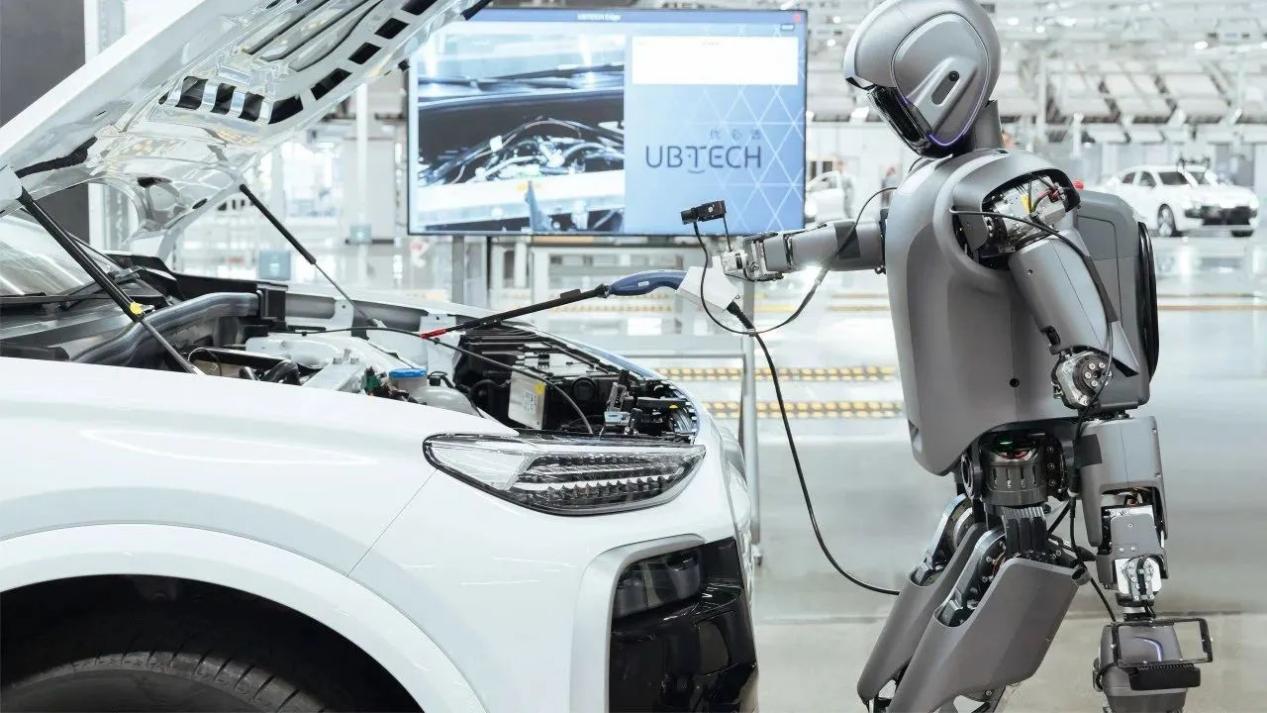
According to a recent report by the International Federation of Robotics, China has madesignificant strides in manufacturing automation, surpassing Germany and Japan to claim third place in global industrial robot density rankings in 2023. The deep convergence of the industrial internet and intelligent robotics is giving rise to a new era of smart industrialization.

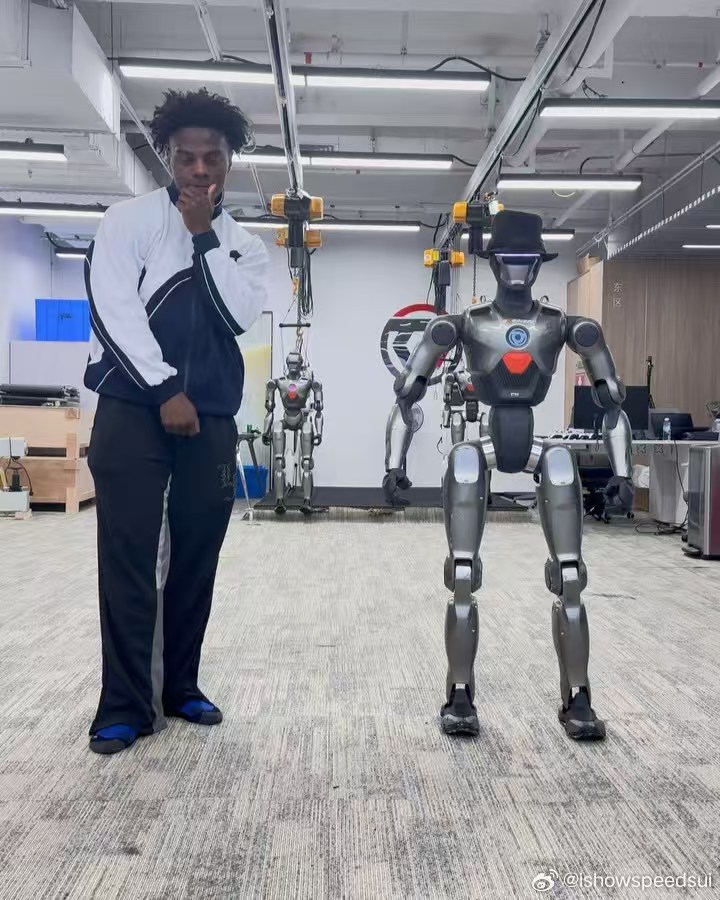
For example, smart factories are driving a shift from “made in China” to “intelligently made in China.” Unmanned terminals and intelligent ports have enabled remote handling of goods, and robotic dogs and drones have become the new “porters” at tourist destinations.

The deep integration of the digital and real economies is transforming traditional industries at every level and across the entire value chain, which is amplifying, multiplying, and accelerating economic growth to continuously fosternew quality productive forces.

Breaking through key technologies

China’s internet development demonstrates its persistent efforts to break through key technologies.

Recently, a research team at Tsinghua University developed the “Taichi-II” optical training chip, marking a leapfrog progress in the chip industry. China has made successive breakthroughs in mobile communication technologies, from having no presence in 1G, to catching up in 2G, making breakthroughs in 3G, running parallel with other countries in 4G, and leading the world in 5G, which demonstrates its relentless drive for innovation.

In recent years, with the rapid advancement of software and integrated circuit technology, China has seen broader application of its independently developed operating systems. The country has also achieved breakthroughs in pioneering sectors such as quantum communication and quantum computing, while making significant progress in critical foundational technologies, including high-end chips, core components, and basic software, gaining a global competitive edge in certain areas. It also maintains a leading position in both the quantity and quality of AI research papers across the globe.

This year marks the 30th anniversary of China achieving full functional access to the internet. Over the past three decades, the internet has become an integral part of Chinese society.

From web portals to instant messaging, from desktop platforms to mobile devices, and from search engines to the internet of things, the internet has broken physical boundaries, opened up opportunitiesfor ordinary people, expanded the possibilities for innovation and creativity, and provided boundless potential for innovative development.

A wealth of vibrant ideas fueled by the ingenuity of the Chinese peoplehave transformed into dynamic bytes, creating a brilliant constellation of China’s internet achievements.