By MUKHTAR Ya’u Madobi
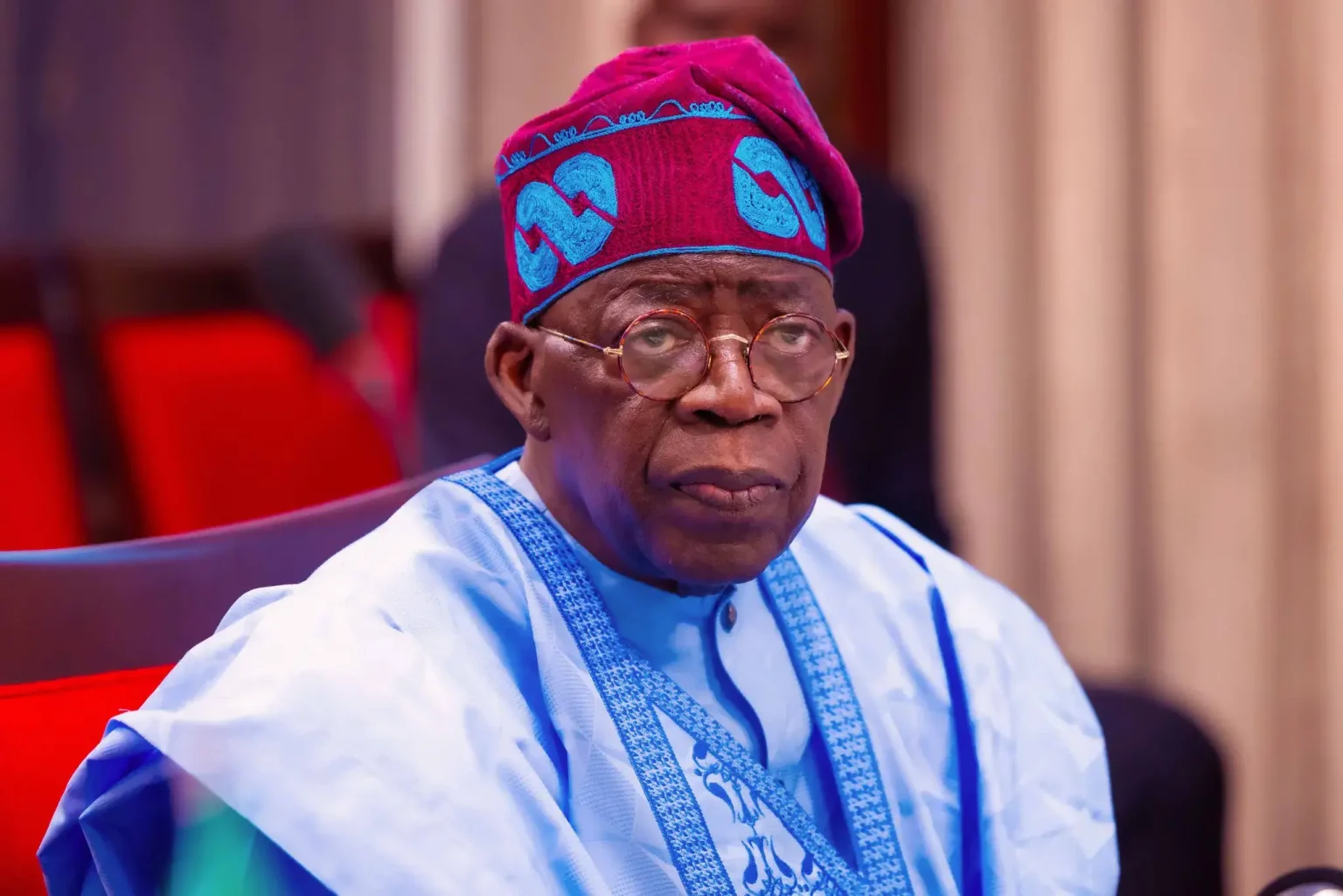
The most current and widely circulated topic in Nigeria’s public domain is the purported cabinet reshuffling of the President Bola Ahmed Tinubu-led administration. According to sources, the move is aimed at strengthening the mode of governance whereby some heads of Ministries, Departments and Agencies (MDAs) will be redeployed while others may even lose their positions.
Amidst this anticipated saga, one issue that caught the attention of citizens is the speculations surrounding the plan by President Tinubu to scrap the Ministry of Humanitarian Affairs and Poverty Alleviation. This ‘unconfirmed’ leaked information has raised concerns among various sectors of the populace, especially looking at the strategic roles played by the Ministry in uplifting the lives of Nigerians.
While the administration’s pursuit of efficiency and the fight against corruption is commendable, the decision to dissolve a ministry that addresses the welfare of Nigeria’s most vulnerable citizens would be a grave mistake and at the same time counterproductive.
Because, stakeholders, pundits and analysts believed that instead of abandoning the ministry, President Tinubu should consider reforming and reinvigorating it to serve as a powerful tool in improving the lives of millions of Nigerians thereby serving the purpose of its creation.
The Ministry which was established in 2019 by the administration of former President Muhammadu Buhari, was designed to provide essential services to Nigeria’s most disadvantaged populations, including people with special needs, displaced persons, and those living in abject poverty. The ministry’s scope spans a wide range of humanitarian efforts, from managing social safety nets and alleviating poverty to responding to natural disasters and emergencies.
In a country with widespread poverty, high unemployment, and ongoing humanitarian crises, occasioned by insecurity and natural disasters such as flooding, the ministry plays a crucial role in ensuring that vulnerable Nigerians do not fall through the cracks.
Nigeria has a staggering population of internally displaced persons (IDPs) due to terrorism, banditry, and natural disasters. As of December 2023, Displacement Tracking Matrix (DTM) reported a total of 3,397,531 internally displaced persons (IDPs), 1,874,283 IDP returnees, and 209,552 refugee returnees living in more than 3,900 locations across 14 states in Nigeria.
Based on statistics, disbanding the ministry would lead to a vacuum in the delivery of humanitarian services, particularly to IDPs, people living with disabilities, and marginalized communities who depend on government interventions for survival.
Moreover, scrapping the ministry would erode the capacity to coordinate responses during disasters such as floods, pandemics, and other emergencies, leaving Nigeria less equipped to handle crises. The existence of a dedicated humanitarian ministry serves as an institutional framework that can effectively mobilize resources, both from within and outside the country, to manage these challenges.
No doubt, for the past years, the ministry has been marred by allegations of corruption and mismanagement, notably involving the immediate past minister, Sadiya Farouq, and more recently, the suspended minister, Dr. Betta Edu. However, corruption in the ministry should not justify its dissolution. Instead, it underscores the need for a stronger leadership structure—one based on transparency, accountability, and commitment to humanitarian ideals.
Therefore, President Tinubu’s administration, with its pledge to tackle corruption and restore public trust, should prioritize appointing an individual who embodies the values of integrity, dedication, and genuine concern for the plight of the underprivileged.
Only such a leader could transform the ministry into an efficient vehicle for poverty alleviation, disaster management, and humanitarian assistance, thereby restoring the confidence of Nigerians in the government’s commitment to their welfare.
It is an evident and undeniable fact that one of the most promising candidates for leading this transformation is Hajiya Halimat Adenike Tejuosho, the Chief Executive Officer of the QAT Foundation. Hajiya Tejuosho is widely known for her philanthropic work, and her dedication to serving Nigeria’s vulnerable populations is second to none.
Over the years, she has been using her resources through the Foundation to provide scholarships for underprivileged students, empower women and youths, and support people living with disabilities. Her hands-on experience in humanitarian service, along with her impeccable track record, makes her an ideal candidate to restore the ministry to its full potential.
Appointing Hajiya Halimat Tejuosho as the Minister of Humanitarian Affairs and Poverty Alleviation would not only ensure that the ministry continues to serve its vital role but also restore its lost glory. Her principles of inclusiveness and her deep commitment to providing relief and support to those in need resonate with the ministry’s core mission.
Hajiya Tejuosho’s work through the QAT Foundation has reached countless Nigerians across the length and breadth of the country, and her influence has been felt in urban and rural communities alike. Under her leadership, the ministry could shift from being seen as a corrupt and ineffective institution to one known for its compassion, transparency, and efficiency.
Moreover, beyond the direct impact on citizens’ lives, the Ministry of Humanitarian Affairs can serve as a strategic tool for the Tinubu administration to enhance its public image. By appointing a capable and compassionate leader like Halimat Tejuosho, President Tinubu would signal his administration’s commitment to prioritizing the welfare of ordinary Nigerians. This would resonate well with the Nigerian public, especially in this time of economic hardship exacerbated by the removal of fuel subsidies and other structural adjustments.
A well-functioning humanitarian ministry would provide immediate and tangible benefits to Nigerians, especially the most vulnerable, creating goodwill towards the administration. Social protection programs, like those handled by the ministry, can help alleviate poverty, reduce inequalities, and foster social stability.
It is evident that when citizens see their lives improve through government programs, it builds trust in the government and strengthens the social contract. In this sense, the ministry could play a key role in promoting and selling the image of President Tinubu as a leader who truly cares about the people.
Nevertheless, rather than dismantling the Ministry, the Tinubu administration should focus on its reform and rejuvenation. By placing the right leadership at the helm, particularly someone like Hajiya Halimat Adenike Tejuosho, the ministry can be revitalized to serve its intended purpose. The focus should be on expanding social safety nets, improving disaster response mechanisms, and creating more opportunities for people living with disabilities, women, and youths.
In the broader context of national development, the ministry can help address Nigeria’s pressing socio-economic challenges. Poverty and inequality remain critical issues that demand focused government intervention. Effective humanitarian assistance and poverty alleviation efforts can mitigate the effects of these problems, contributing to national stability and growth.
Ultimately, the Tinubu administration has an opportunity to turn this moment of uncertainty into one of promise by re-envisioning the Ministry of Humanitarian Affairs as a cornerstone of its social agenda.
Therefore, reforming the ministry by assigning a capable leadership, the Tinubu administration can leave a lasting legacy that reflects its commitment to building a fairer, more just society.
Believe me, appointing Hajiya Halimat Adenike Tejuosho would mark the beginning of that transformative journey, bringing new hope to the vulnerable populations that the ministry was designed to serve.
MUKHTAR Ya’u Madobi is a concerned citizen. He wrote from Kano via: ymukhtar944@gmail.com