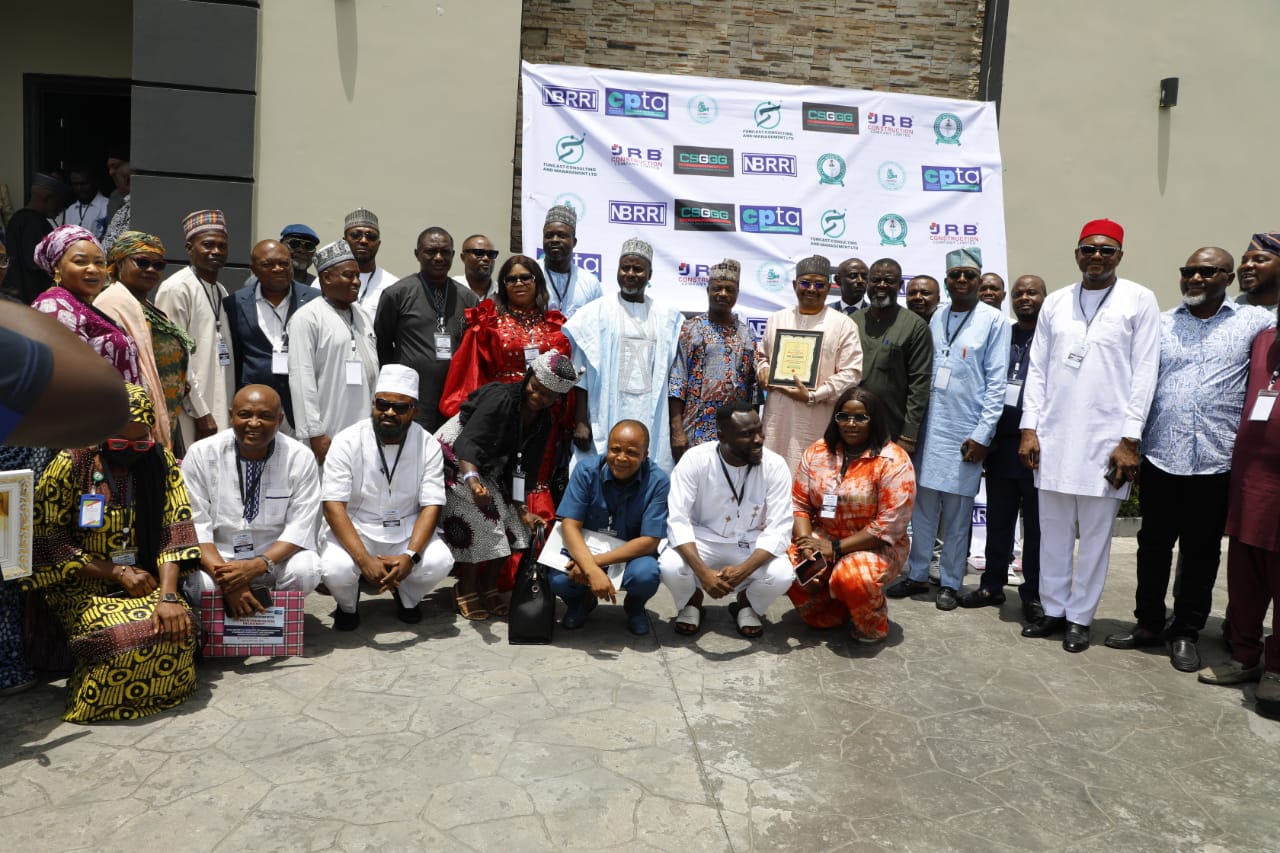
Center for Peace, Transparency and Accountability (CPTA) and coalition of over 50 civil society organizations have raised concerns over growing activities of unqualified contractors, the circulation of substandard building materials, corruption in procurement processes, and the disregard for approved construction standards.
According to the coalition, the practices have continued to weaken public safety and reduce confidence in national infrastructure systems.
Executive Director of CPTA Comrade Patrick Ogheneyero Jr. stated this yesterday in Abuja, during NBRRI’s engagement with CSO’s on building standard compliance in Abuja.
He said the engagement is both timely and necessary, saying “Across Nigeria, recurring cases of building collapse, substandard construction, weak regulatory compliance, and poor enforcement continue to threaten lives, investments, and public confidence.”
“We believe this engagement should lead to practical outcomes, including stronger collaboration among NBRRI, regulatory agencies, professional bodies, and anti-corruption institutions to ensure strict compliance with building standards and professional regulations,” he said.
He said every failed structure represents more than an engineering failure, adding that it reflects gaps in oversight, accountability, regulation, and professional ethics.
He said these challenges undermine the safety and stability of our communities.
“Infrastructure integrity remains directly connected to economic growth, urban development, national security, and public safety. Roads, bridges, schools, hospitals, and housing projects are not merely physical assets; they are symbols of governance, credibility, and national progress.
“In this regard, the role of NBRRI remains critical. As Nigeria’s leading research institution in building and road development, the Institute plays a strategic role in promoting standards, innovation, indigenous technologies, and quality assurance within the construction sector,” he said.
Comrade Ogheneyero while commending NBRRI for the engagement however, noted that
research and standards alone cannot deliver results without effective implementation and enforcement, adding that Civil society organizations therefore have an important responsibility to support transparency, accountability, and public awareness in the construction and infrastructure sectors.
“This initiative reflects openness, professionalism, and commitment to national development. Sustainable progress can only be achieved when public institutions and citizens work together in trust and partnership,” he said.
He called for greater public awareness on the dangers of poor construction practices and uncertified materials, urging the government to invest more in local research, innovation, and affordable indigenous building technologies developed to address Nigeria’s environmental and developmental realities.