Liaoning achieves industrial upgrades through independent innovation

By Jiang Yun, Cao Shulin, Hu Jingyi, People’s Daily

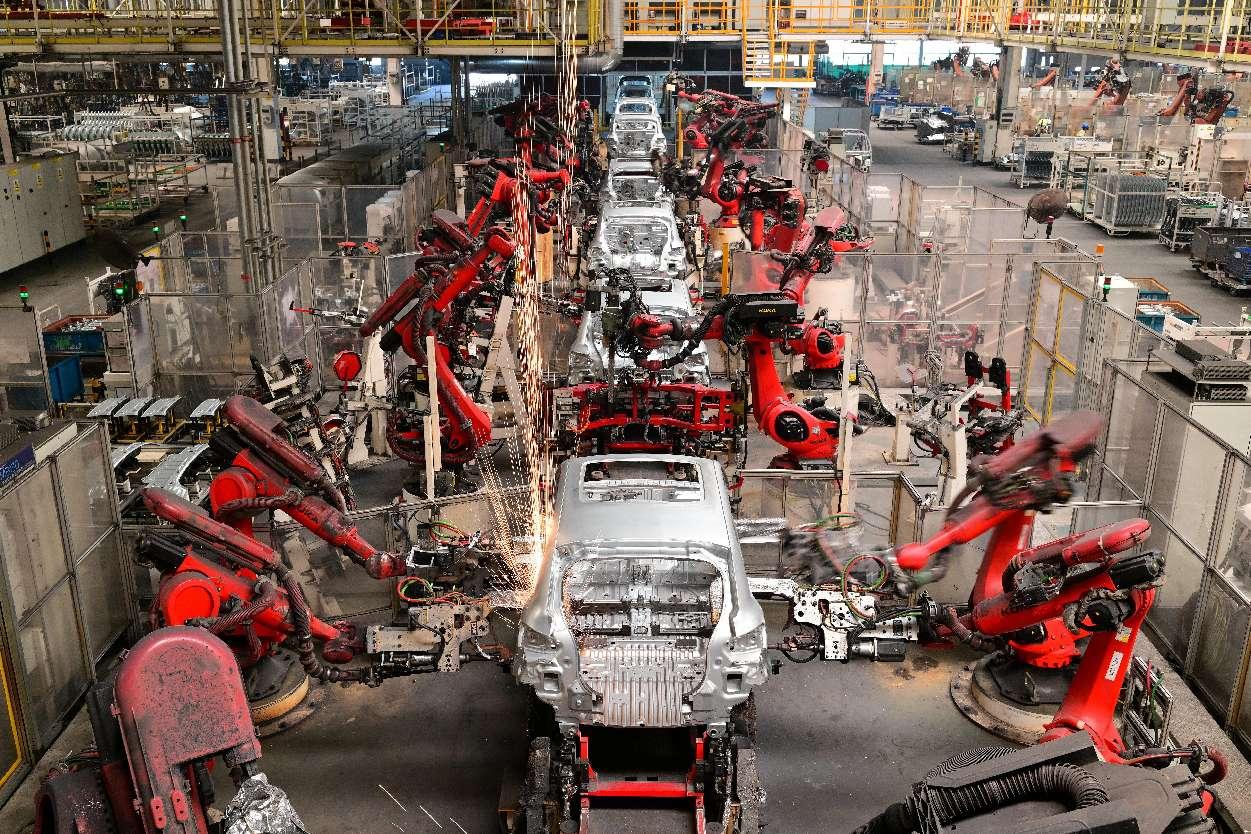
In the Tiexi Plant of BMW Brilliance Automotive (BBA), a joint venture of Germany’s BMW Group and Brilliance China Automotive Holdings, in Shenyang, northeast China’s Liaoning province, advanced manufacturing is on full display.

An automatic lifting platform adjusted its height, while a C-shaped hoist rotated precisely to position car bodies at optimal angles for assembly. Besides, a large central control screen provided real-time updates on every production line and workflow stage.

As one of BMW Group’s largest production bases globally, the Tiexi Plant has 138 local suppliers in Liaoning province. In 2023, 60 percent of BBA’s component procurement in China came from Liaoning.

Liaoning is an important industrial base in China, with a solid foundation and comprehensive systems. The province is home to 40 out of the 41 major industrial sectors in the country’s national economy. It boasts a series of industries that crucial to national security and economic vitality.

“Transforming and upgrading traditional industries can spur the growth of emerging sectors,” said Cheng Nan, director of the technology and standards institute at the China Center for Information Industry Development.

The old industrial base in Liaoning once thrived because of real economy, and its new round of development will also rely on real economy. Based on its industrial foundation, the province will cultivate and develop new drivers for new quality productive forces.

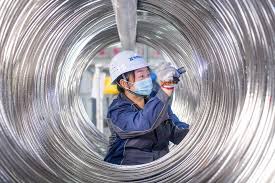
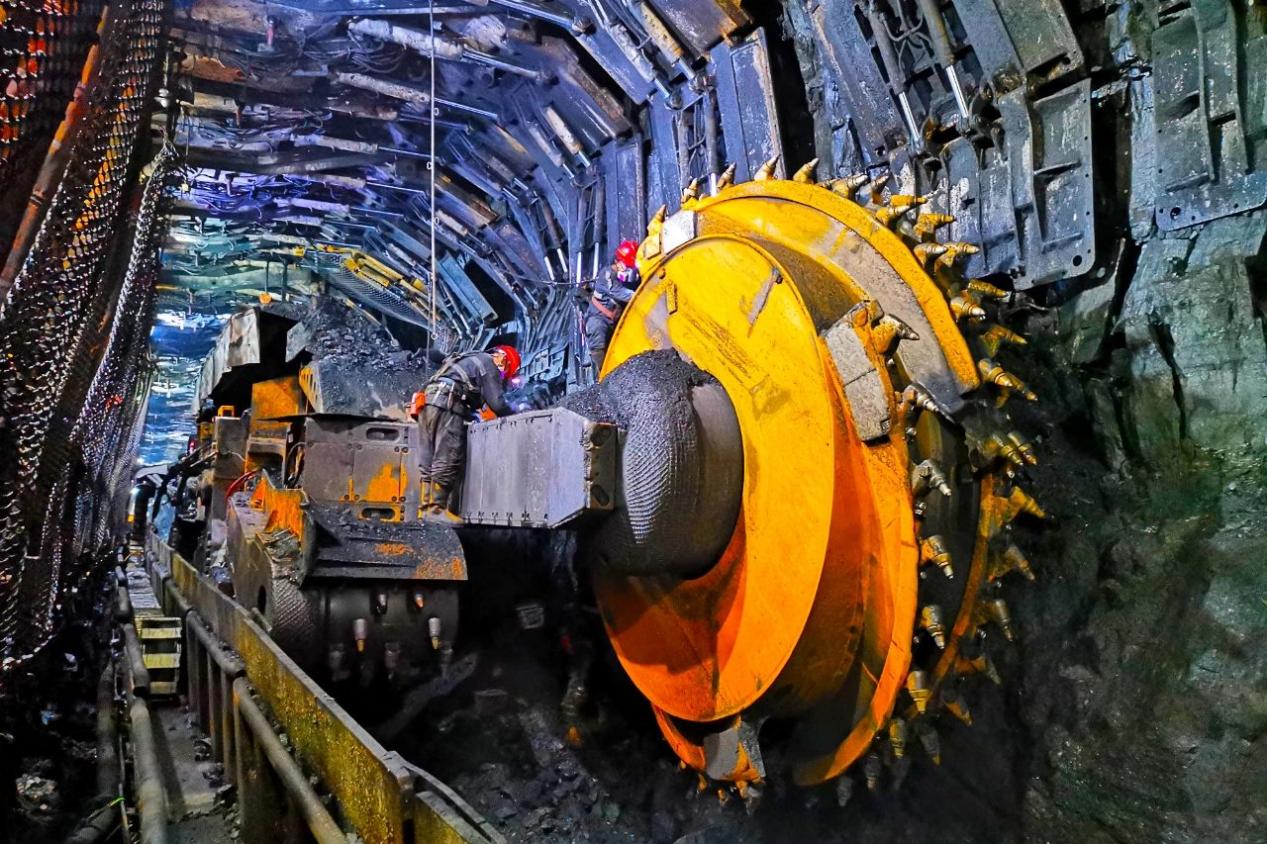
After digital and intelligent upgrades, AnsteelGroup Corp Ltd, a major Chinese steelmaker based in Liaoning province, has achieved fully automated smart production at an ore dressing production line and a color-coating plant.

“Compared to that prior to the upgrades, our production efficiency has improved by about 20 percent,” said Zheng Hao, head of the color-coating plant.

Changxing Island is the sixth largest island in China, located in the Liaoning province along the east coast of the Bohai Bay, north of the city Dalian. Once barren land over 10 years ago, the island has evolved into a modern petrochemical hub. Last year, the first phase of a new material technology industrial park, with a total investment of 50 billion yuan, commenced operations on the island.

Xu Jin, general manager of a petrochemical company, told People’s Daily, “Basic chemical products produced in the park will be further processed into high-end chemicals and new materials.”

The sheer scale and scope of Liaoning’s traditional industries mean that even a one-percent increase in production efficiency or an extension of a supply chain delivers substantial gains.

“Liaoning’s revitalization hinges on real economy, technological innovation and industrial upgrades,” said Zhai Dehuai, deputy director of the Liaoning provincial department of industry and information technology.

Efforts are underway to strengthen the equipment manufacturing sector, extend the petrochemical and fine chemicals industries, further advancements in metallurgy and new materials, and specialize in high-quality consumer goods.

In recent years, Liaoning has built four trillion-yuan industrial bases and 22 industrial clusters, in an effort to transform itself into a major digital manufacturer, and elevate industrial efficiency and quality.

To sustain long-term growth, Liaoning is constructing high-level innovation platforms to foster future breakthroughs. It is speeding up the construction of the Shenyang Hunnan Science and Technology City, Yinggeshi Science Cityin Dalian, and Shenyang-Fushun Scientific and TechnologicalInnovation Park, alongside the development of 97 national-level innovation platforms.

Today, the land of Liaoning is brimming with innovation and vitality.

An intelligent robot developed by Liaoning-based Siasun Robot and Automation Co Ltd, which is connected to AI large models, can perform complex tasks based on voice prompts.

Neusoft Medical Systems Co, a prominent CT machine manufacturer in China, has made a significant breakthrough with its self-developed photon-counting CT technology. This cutting-edge innovation has successfully captured its first human image, showcasing remarkable advancements in both lower radiation exposure and superior image quality.

Dalian Rongke Power Co., Ltd.has made continuous advancements in core technologies, achieving full technological and supply chain independence in the vanadium redox flow battery sector.

In 2024, Liaoning’s high-tech manufacturing sector saw an 11.3 percent increase in added value. The province’s R&D investment intensity reached its highest level in a decade, while the value of technology contract transactions grew by 17.8 percent.

Through continuous reforms, such as promoting market-based allocation of resources, advancing state-owned enterprise reforms, and fostering innovation in science, technology, fiscal, and financial systems, Liaoning has successfully dismantled institutional barriers.

This has facilitated the convergence of various production factors towards new quality productive forces. The revitalization of this traditional industrial base is gaining momentum, injecting new vitality into Liaoning as it hastens the development of a modern industrial system.

China’s view of international order reflected in stories of two “apples”

By Huan Yuping, People’s Daily

How does China handle its relationship with the world, and how does it view the current international order? The stories of two “apples” offer an insightful perspective.

Huaniu apple, a specialty fruit of Tianshui, northwest China’s Gansu province,has made its way to international markets. It has been exported to over 30 countries and regions, including Indonesia, Malaysia, and the Maldives.

As the first Chinese apple brand that has obtained a trademark on the international market, it hastransformed into an internationally recognizedapple variety with the establishment of overseas warehouses, allowing consumers in more and more countries to enjoy the sweetness of Chinese apples.

China is the world’s largest apple grower and exporter. It has launched the world’s first apple futures contracts. The increasing presence of Chinese apples in the international market can be attributed to the trade facilitation enabled by free trade agreements such as the Regional Comprehensive Economic Partnership (RCEP) and the innovative “internet plus foreign trade”approach adopted by Chinese enterprises.

Meanwhile, the development story of U.S. tech giant Apple in China reflects the deep integration between China and the world. The company joined the second China International Supply Chain Expo with its four Chinese suppliers. Over the past three decades, Apple has greatly benefited from China’s advantages in manufacturing. Out of Apple’s 200 major suppliers worldwide, over 80 percent have opened factories in China. When asked about his Chinese partners, Apple CEO Tim Cook said, “We would not do what we do without them.”

At the same time, many Chinese companies have advanced their technology and competitiveness through long-term cooperation with Apple.

For instance, GoerTek, an electronics supplier based in Weifang, east China’s Shandong province, has been cooperating with Apple in the field of acoustic sensors, developing cutting-edge automation technologies and improving manufacturing processes.

Lingyi iTECH, which started as a small die-cutting company, has developed into a major manufacturer providing thousands of modules and components for Apple products. Today, it has set up factories inmany countries,including India, Vietnam, and Brazil.

From Chinese apples going global to Apple’s success in China, such stories of cooperation highlight China’s active role in economic globalization and its unwavering commitment to a mutually beneficial strategy of opening up. This approach has fostered a deeply interconnected paradigm where China’s interests are closely linked with those of other countries – a dynamic underpinned by a stable international order.

As a public good, the international order concerns the interests of all countries worldwide. A stable international order creates the necessary environment for world peace, development, and prosperity. It provides the foundation for the sound development of economic globalization and enables countries to pursue mutually beneficial cooperation.

Economic globalization serves as the ballast of the international order, bringing closer trade and economic exchanges that provide countries with opportunities for growth and prosperity. This interconnected paradigm, in turn, fosters a mighty force for upholding the international order worldwide.

China has benefited from a generally stable international order and has made significant contributions to maintaining thestability of international order.

China firmly believes that in the world, there is only one international system, i.e. the international system with the United Nations at its core. There is only one international order, i.e. the international order underpinned by international law. And there is only one set of rules, i.e. the basic norms governing international relations underpinned by the purposes and principles of the UN Charter.

While the current international order faces challenges, it is clear that China is not the one challenging it.From proposing visions to taking actions, China remains committed to acting as an international orderdefender – a right choice that serves the shared interests of both China and the broader international community.

Industrial legacy boosts tourism development in Shenyang

By Hao Yingcan, People’s Daily

“Every visit brought us new surprises,” said Han Zheng and his wife, who work in Beijing and have traveled to Shenyang, northeast China’s Liaoning province four times in a year.

“For the first trip, we visited the Shenyang Imperial Palace and Zhongjie Street. The second time, we explored the vibrant food scene at Caita Night Market and watched a basketball game. On the third trip, we came to experience the festive atmosphere of the Chinese New Year. And for the fourth, we visited Tiexi district to immerse ourselves in industrial culture,” Han told People’s Daily.

In recent years, with the improvement of the transportation infrastructure network, spontaneous trips to Shenyang have become a popular choice for many. In 2024, Shenyang welcomed over 200 million tourists for the first time, marking a historic breakthrough in tourism revenue.

Once a renowned industrial powerhouse in China, Shenyang has now evolved into a “cultural tourism hotspot” by implementing innovative strategies to develop new cultural tourism experiences and foster a seamless integration of culture and tourism.

In Tiexi district, there is a striking 26-meter-tall sculpture weighing 400 tons that depicts two workers holding a steel rod. It stands prominently on a square, with an old factory building featuring a sawtooth roof behind it. Despite its age, the building exudes a unique artistic vibe.

“This site was once a metal workshop of Shenyang Heavy Machinery Factory. After renovations, it became the 1905 Cultural and Creative Park, where visitors can watch plays, visit exhibitions, and browse creative markets,” said Wang Hui, head of the culture, tourism, broadcasting and televisionbureau of Tiexi district.

Rich industrial heritage is a defining cultural feature of Shenyang. “We have revitalized 700,000 square meters of industrial heritage areas, combining industrial history with cultural and lifestyle needs to create new cultural landmarks,” said Liu Kebin, head of the culture, tourism, broadcasting and televisionbureau of Shenyang.

A few kilometers from the 1905 Cultural and Creative Park is the original site of the Shenyang Hongmei MSG Factory. Young people are always seen lining up outside the factory’s raw materials warehouse, now a venue for music performances. The fermentation workshop has been converted into an art center, the union activity room into a taste museum, and the entire factory complex into the vibrant Hongmei Cultural and Creative Park.

In Shenyang, there’s more than the blend of “industrial charm” and “artistic flair.” Major cultural and sports events also add to the city’s appeal. From the 2023–2024 Chinese Basketball Association Finals to the inaugural China (Shenyang) Comedy Film Week, and to the 12th China Acrobatic Exhibition and the 2024 Shenyang Arts Festival, a series of high-profile events took place in the city in 2024.

“We actively cultivate signature events, continuously innovate tourism scenarios, enrich product offerings, and promote the integration of culture, sports, and tourism,” Liu said.

In the afternoon, young people would often flock to a “coffee alley” in Nanshichang sub-district, Heping district, a renowned photogenic spot for social media. At dusk, they head to a market by the Hunhe River to enjoy sunset and night views. After dark, they visit Laobeishi, a cultural landmark of Shenyang, to watch drone performance and experience traditional folk activities like ring toss game and sugar figurine blowing.

The warm, human-centered atmosphere adds to Shenyang’s charm. At 7 a.m., a long queue would form at a famous lyudagun (“donkey rolls”, which are glutinous rice rolls with sweet bean paste)stall in the Xiaoheyan morning market in Shenhe district. Known for affordable goods and friendly shopping environment, Shenyang’s morning markets have become a sensation on social media.

“We aim to embrace new tourism trends by integrating urban renewal projects, such as old neighborhood renovations and street upgrades, to create more youth-friendly blocks that combine scenery, culture, and modern flair,” said Wang Xinwei, secretary of the CPC Shenyang municipal committee.

To further enhance the tourist experience, Shenyang’s culture and tourism departments continuously refine services based on feedback from visitors and online users. From January to November 2024, the city saw a 38.2 percent year-on-year increase in the number of domestic tourists and a 46.0 percent rise in domestic tourism spending, achieving both acclaim and economic benefits.

China builds world’s highest UHVDCtransmission project

By Ding Yiting, People’s Daily

Celebrated as one of China’s “power highways,” the ±800 kV ultra-high-voltage direct current (UHVDC) transmission project from upper reaches of the Jinsha River to central China’s Hubei province is the highest UHVDC transmission project in the world.

With a total length of 1,901 kilometers, the transmission project passes through northwest China’s Xizang autonomous region, southwest China’s Sichuan province, southwest China’s Chongqing municipality, and Hubei.

Upon completion, it will transmit hydropower, wind power, and solar power from the upper reachesof the Jinsha River to China’s central regions, delivering approximately 40 billion kWh of clean energy annually. It is expected to reduce coal consumption by over 17 million tons and cut carbon dioxide emissions by around 34 million tons.

An altitudeof 4797.9 meters

In October 2024, the construction of power transmission towers for the project was completed in Batang county, Ganzi Tibet autonomous prefecture, Sichuan province. The towers of 65 meters high and weighing 85 tons were located on the snow-covered Setongma mountain in the county, breaking the world’s record for UHVDC construction with an altitudeof 4797.9 meters.

“This is the highest section of the entire project, with the altitude ranging from 3,700 meters to 4,800 meters. Some parts were even covered with ice that could be as thick as 60 millimeters. The harsh natural environment not only makes our workers prone to oxygen shortages, but also affects the performance of some machinery,” said Shi Mingqing, project manager of Section 4.

Shi said thatto facilitate the construction, they adopted a specialized high-altitude machinery. Portable oxygen and medications were also available on site.

Overcoming challenges in harsh natural environment

As the first UHVDC project reaching the hinterland of the Qinghai-Xizang Plateau, reputed as the “roof of the world,”the project has overcome multiple challenges.

The first major challenge lies in transportation. For example, Section 10 of the project in Sichuan province involved the construction of 113 towers on a mountain ridge with a maximum slope of 65 degrees. One of the primary difficulties for the construction team was to transport nearly 75,000 tons of materials necessary for tower construction into the deep mountains and up to the ridge.

To address the challenge, the construction team built six roads with a total length of 36 kilometers, said Zou Zhongxuan, project manager of Section 10. Besides, to protect the ecological environment, they adopted cable transportation at every location and built 82 cableways spanning over 60 kilometers, except for the areas that required temporary roads.

“The route from Luding county in Sichuan province to the construction site has over 100 S-shaped or U-shaped bends. Each cablewaycan carry less than 5 tons of tower materials on average every day. It would take a month to transport the materials for building a 143-ton towerunder ideal conditions, not to mention our heaviest tower weighing nearly 400 tons,” Zou said.

Another major challenge is the risks brought about by the complex geographical environment. In the Chongqing section, mountainous terrain accounts for over 60 percent, with a total of nine crossings over high-speed railways and expressways, six over navigable rivers, and 30 over important power lines. In Hubei, the power transmission towers pass through the Yangtze River twice, with 60 percent of tower bases threading throughthe karst landform in the Enshi section.

The construction team has been strengthening independent innovation, making continuous breakthroughs in high-voltage transmission technologies, upgrading equipment, and enhancing construction capabilities, all in an effort to tackle the challenges.

Intelligent tension-stringing system

At a construction site in Yingjing county, Ya’an city of Sichuan, a steel wire rope was connected with a traction walking plate to lift two wires into the air, each with a diameter of 4.3centimeters.

“The visibility is about only 100 meters. Don’t pull too fast,”said a technician, who was communicating with a tension machine operator kilometers away via a walkie-talkie, while observing the progress of the traction walking plate and wires.

Unliketraditional operations, the constructionteam adopted an intelligent tension-stringing system that can simulate the stringing process in advance, monitor the working status of key equipment in realtime, and integrate data into a control command center at the construction site. The construction efficiency has increased by around 25 percent, making the construction process more safe and reliable.

But how to inspect the stringing effect and maintain the system?

A power company in Chongqing has developed a self-propelled robot for post-stringing inspection, which can be quickly hoisted and installed on the wires with the help of a drone, and then “walk” along the wires for quality inspection.

According to an employee of the company, with the help of technologies such as rapid positioning and laser scanning, the robot can collect and identify data related to the appearance and quality of power lines, wire curvature, and obstacles in the clearance zone. It can operate in different conditions including rain, fog, and nighttime, thereby boosting inspectionefficiency.

In recent years, China has been continuously improving the layout of power transmission. By the end of 2024, the country had completed and put into operation 42 UHV AC/DC projects, including 38 by State Grid Corporation of China and 4 by China Southern Power Grid, with cross-provincial and cross-regional power transmission capacity exceeding 300 million kW.

Supported by these UHV projects, China’s installed capacity for renewable energy has increased from over 300 million kW in 2012 to over 1.5 billion kW in 2023.

Chinese, Russian heads of statecontinue guiding bilateral relations toward new height

By He Yin, People’s Daily

Chinese President Xi Jinping had a video meeting with Russian President Vladimir Putin on January 21, 2025, ahead of the Chinese Lunar New Year.

During the virtual meeting, the two heads of state reviewed the significant progress made in China-Russia relations in 2024, and looked ahead to key moments in the development of bilateral ties in 2025.

They engaged in in-depth discussions on international andregional issues of common concern, and agreed to maintain strategic communication in the new year.

Continuing guiding China-Russia relations toward a new height, the two leaders sent a positive signal of the two countries’ determination to cope with uncertainties of the external environmentwiththe stability and resilience of their bilateral ties during the video meeting.

This stable, resilient China-Russia relationship is expected to help promote the development and revitalization of the two countries, and uphold international fairness and justice.

The leadership of the heads of state of both countries represents the greatest political advantage and fundamental guarantee for the robust development of China-Russia relations.

In 2024, the two heads of state of China and Russia met three times, which led to a range of important common understandings.

Both countries held grand celebrations for the 75th anniversary of the China-Russia diplomatic relations.Featuring permanent good-neighborly friendship, comprehensive strategic coordination and mutually beneficial cooperation, the relations havebecome increasingly dynamic.

Over the past year, the two heads of state held candid, in-depth exchanges of views on bilateral relations, international and regional situations, and global governance, among other major issues of common concern,and achieved a series of important consensuses, jointlyguiding the development of bilateral relations and the reform of the global governance system.

Pragmatic cooperation is the most important endogenous driving force for the continuous development of China-Russia relations.

The two countries have made steady progress while maintaining stability in their pragmatic cooperation, with bilateral trade continuing to grow.

In recent years, China and Russia have strengthened alignment of their development strategies, and achieved rich fruits in bilateral cooperation under the Belt and Road Initiative (BRI).

A good number of large-scale projects have driven economic and trade cooperation between the two countries, benefiting their peoples with tangible results.

Automobiles and smartphones produced by Chinese brands are increasingly popular among Russian consumers, while high-quality Russian agricultural products and foods are finding their way into millions of Chinese households.

China is ready to work with Russia to accelerate the implementation of important consensuses reached by the two heads of state, further strengthen mutually beneficial cooperation in various fields, and ensure that the outcomes of their cooperation better benefit both countries and their peoples.

Through a long and challenging journey, China and Russia have foundtheright way for neighboring major countries to get along with each other, which features non-alliance, non-confrontation and not targeting any third party.

In the face of rapidly evolving global changes unseen in a century and an increasingly volatile international landscape, both countries have remained at the forefront of the times.

Staying true to their original aspirations of establishing diplomatic ties, the two countries have strengthened strategic coordination, advanced pragmatic cooperation, and jointly pioneered a new path of mutual respect, peaceful coexistence, and win-win cooperation, setting an example for a new type of international relations and relations between neighboring major countries.

The two countries’ unswerving commitment to everlasting friendship, fulfillment of their responsibilities as major countries, and mutually beneficial cooperation has not only benefited the development of their bilateral relations and the well-being of their peoples, but also contributed to global peace and stability.

This year marks the 80th anniversary of the victories of the Chinese People’s War of Resistance against Japanese Aggression, the Soviet Union’s Great Patriotic War and the World Anti-Fascist War, as well as the 80th anniversary of the founding of the United Nations (UN).

China and Russia will take this as an opportunity to jointly defend the UN-centered international system and the outcomes of victory in World War II, promote all countries’ adherence to the purposes and principles of the UN Charter, uphold the universally recognized basic norms governing international relations, and practice true multilateralism.

Given that China and Russia are bothpermanent members of the UN Security Council and major countries in the world, and China serves as the rotating chair of the Shanghai Cooperation Organization (SCO), the close coordination between the two countries on multilateral platforms such as the UN, the SCO, and BRICS is bound to provide more positive energy for the reform and development of the global governance system.

As the Chinese people are about to bid farewell to the old lunar year and usher in the new, a new journey will soon begin.

Under the leadership of the heads of state of both countries, China and Russia will continue deepening strategic coordination, firming up mutual support, and safeguarding the legitimate interests of the two countries.

By continuously deepening and expanding their comprehensive strategic coordination and pragmatic cooperation in various fields, the two countries will bring more benefits to their peoples and make greater contributions to human progress.

World needs multilateralism

By He Yin, People’s Daily

The World Economic Forum Annual Meeting 2025, themed “Collaboration for the Intelligent Age,” is held from 20th to 24thJanuary in Davos, Switzerland, bringing together nearly 3,000 representatives from various regions and industries worldwide, who aim to carry forward the spirit of cooperation for sustainable and inclusive solutions.

The Global Cooperation Barometer 2025 was released prior to the meeting, which highlights the rising challenges against the stable global cooperation in the post-Cold War era. The Global Risks Report 2025 was also issued, stressing that multilateral solutions are the only way to address future global risks.

This indicates the World Economic Forum has placed multilateral cooperation in a more important position.

This year marks the 80th anniversary of the end of World War II and of the founding of the United Nations, the most universal, representative, and authoritative intergovernmental organization.

However, rising unilateralism and protectionism, along with growing divisions and fragmentation, are reshaping geopolitical and economic landscapes, putting immense pressure on multilateralism. In the face of increasing instability and uncertainty, it is crucial for all parties to uphold and practice multilateralism, so as to tackle common challenges through effective global cooperation.

The problems facing the world are intricate and complex. The way out of them is through upholding multilateralism and building a community with a shared future for mankind,” Chinese President Xi Jinping said in his special address at the World Economic Forum Virtual Event of the Davos Agenda in January 2021.

China advocates that all countries should jointly shape the future of the world, write international rules, manage global affairs and ensure that development outcomes are shared by all. It hopes that all parties can embrace the vision of a community with a shared future, safeguard and practice multilateralism, and promote world peace and development with the spirit of global solidarity.

World peace is contingent upon the preservation of multilateralism, a fundamental product of the evolution of the international system.

The harsh lessons of the two world wars have shown that zero-sum games and power politics lead to disaster, while multilateralism and the pursuit of fairness and justice pave the way for lasting peace.

The post-war international order, centered on the United Nations and rooted in multilateralism, has played a vital role in preventing the recurrence of wars and promoting the prosperity of nations.

To pursue multilateralism, countries must protect the United Nations-centered international system, the international order based on international law, and the basic norms of international relations based on the purposes and principles of the United Nations Charter.

China remains a staunch defender of the United Nations’ authority and stature, being recognized as a key pillar of multilateralism.

Global development relies on the support of multilateralism. Upholding and practicing multilateralism, and fostering win-win cooperation is the sure way to success in launching major initiatives that benefit all.

Countries taking the lead in economic development should give a hand to their partners who are yet to catch up, so as to transform global development disparities into shared prosperity.

The multilateral trading system, with the World Trade Organization at its core, has significantly advanced global trade and investment liberalization and facilitation, driving world economic growth. Protectionism and unilateralism ultimately harm everyone involved.

The international community must strengthen multilateral cooperation and openness to mitigate the risks of trade fragmentation. China’s commitment to expanding high-level opening up, building an open world economy, defending the multilateral trading system, and enhancing global trade and investment liberalization and facilitation has injected positive energy into global economic recovery.

United Nations Secretary-General Antonio Guterres recently highlighted at the Handover Ceremony of the Chairmanship of the Group of 77 and China that the successful adoption of the Pact for the Future at the United Nations Summit of the Future last year, largely due to the unwavering efforts of the Group of 77 and China, demonstrates that nations can unite to reshape a multilateral system that serves all.

China stands ready to work with all parties to revisit the original aspirations of the United Nations’ founding, firmly uphold the United Nations’ authority and stature, advocate for an equal and orderly multipolar world and a universally beneficial and inclusive economic globalization, and solidify the foundations of world peace and development through multilateralism, so as to steer human progress toward a brighter future.

Niger Delta Youth Turn down Calls for Protest against NDDC Management

The Niger Delta Youth Council (NDYC) Worldwide has rejected in strong terms, calls by the Coalition of Niger Delta Civil Society Organisations in conjunction with Ex-millitant Forum for a nationwide protest against leadership of Dr. Samuel Ubuku and Mr. Chiedu Ebie; Managing Director and Board Chairman of the Niger Delta Development Commission (NDDC) respectively.

The group in a letter addressed to President Bola Ahmed Tinubu accused the Managing Director of mismanagement, lopsided projects and contracts while calling for the sack of the Chairman of the Board whose appointment they claimed contravened the NDDC Act.

But the NDYC in a strongly worded rebuttal, signed by the trio of Engr.Jator Abido, Comr Collins Achakpekri and Engr. Beke Apere; National Coordinator, Director of International Relations, and Chairman Board of Trustees respectively, copies of which were made available to journalists in Abuja, debunking the allegations made against the NDDC management by persons they described as enemies of the region who want to slow the wheels of progress under the current NDDC leadership.

“It is utterly callous and blatant falsehood to cast the administration of Dr. Samuel Ubuku and Mr Chiedu Ebie in bad light simply because your selfish and parochial interests are not accommodated in the grand scheme of affairs at the Commission.

“For the records, those parading themselves as members of civil society organisations in the region and ex-agitators are ignorant of the challenges of the region and do not represent the true spirit of the Niger Delta. They’re an obscure bunch who are out to profit from the resources of the region without a genuine concern for its people.

“As true representatives of our people, we make bold to say that Dr. Samuel Ubuku remains the best NDDC Managing Director to have emerged since the creation of the Commission. He has carried everybody along in appointments and the distribution of projects. Anybody who feels otherwise is a saboteur and shouldn’t be taken seriously.

“It is also laughable that someone in their right thinking will question the appointment of a bona fide Niger Deltan into a Commision set up for the development of the region simply because the appointee does not come from a community that produces crude oil.

“This warped thinking doesn’t belong to the human specie and should be disregarded. Those who only seek to divide using parochial yardsticks and sentiments should not be dignified with a response. We, therefore, distance ourselves from such persons and want Nigerians to pay deaf ears to their rants”, the release stated.

The youth group finally vowed to resist attempt by sponsored goons to throw the region into needless crisis and pledged to mobilise their members across all the states that make up the region to stage a solidarity match for the NDDC management on the same day those opposed to the development of the region are planning their protest.

“As patriots and law abiding citizens who are desirous to see mass development in the Niger Delta region, we cannot fold our arms and watch a faceless few throw our region into crisis. We shall therefore mobilise in en masse to stage a solidarity match on the 27th of February to counter our enemies and tell the world the truth about our region”, the release concluded.

FG commissions toll gates on Abuja–Makurdi road, charges between N500 to N1,600

The Federal Government on Tuesday officially launched toll operations on the Abuja–Akwanga–Lafia–Makurdi Road corridor to repay the $460.8 million loan obtained from the China Exim Bank for the road’s rehabilitation and upgrade.

It also announced that motorists using the highway would begin paying tolls ranging from N500 for saloon cars to N1,600 for multi-axle vehicles.

However, police and military vehicles are exempt from toll fees to facilitate their operations.

The toll gates on the route are divided into four sections: Keffi, Akwanga, Lafia, and Makurdi.

The 227.2km road was rehabilitated and upgraded through a preferential credit loan from the China Exim Bank. The last administration secured a $460.8 million loan from the bank, covering 85 per cent of the project’s $542 million total cost.

As part of the loan agreement, the Federal Government committed to tolling the road upon completion, with revenue collected from toll operations prioritised for loan repayment.

Speaking at the official commissioning of toll operations at the Garaku Toll Station in Nasarawa State, the Minister of Works, David Umahi, reiterated the government’s commitment to ensuring the proper maintenance of Nigeria’s federal roads through sustainable funding mechanisms.

Represented by the Minister of State for Works, Bello Goronyo, Umahi stated that the road was rehabilitated and upgraded through a preferential credit loan from the China Exim Bank.

According to him, funds generated from tolls would also be used for the maintenance of federal roads nationwide, adding that toll operations would help sustain road networks across the country.

He explained that in 2023, the previous administration executed a 25-year “Operate and Maintain” concession agreement with Messrs China Harbour Operations and Maintenance Company Limited in partnership with Messrs Catamaran Nigeria Limited.

He said, “It is with great pride and optimism that I stand before you today, on behalf of the Federal Government of Nigeria, as we officially launch toll operations on our federal roads, beginning with the 227.2km Abuja–Keffi–Akwanga–Lafia–Makurdi Road corridor.

“As you are aware, this road corridor is a vital infrastructure route in Nigeria, serving as a key highway for economic and social activities in the central and northern regions of the country.

“It is crucial for Nigeria’s economic, social, and strategic development, serving as an essential artery for trade, mobility, and national security while contributing to infrastructure growth, urbanisation, and national cohesion.

“It is worth recalling that the Federal Government rehabilitated and upgraded the road through a preferential credit loan from the China Exim Bank.

“Toll operations mark a pivotal step towards achieving our vision for a more efficient, sustainable, and well-maintained road transport system.

“Today, we embark on a journey to ensure that our infrastructure is preserved for the benefit of present and future generations. The collection of tolls will generate much-needed revenue for road maintenance and expansion.”

The minister stated that the project aligns with the priorities of President Bola Tinubu’s Renewed Hope Agenda, which aims to build a robust and interconnected infrastructure network.

“It is important to state that the Toll Order/Fee Schedule has been gazetted as follows: saloon cars will be tolled at N500, SUVs/jeeps at N800, minibuses at N1,000, and multi-axle vehicles at N1,600.

“However, frequent road users, such as commercial light vehicles defined under the Federal Highway Act, will enjoy a 50 per cent discount,” he added.

Additionally, tricycles, pedal vehicles, motorcycles, and other two- or three-wheeled transport modes primarily used by disadvantaged populations will be exempt from toll charges.

Also speaking, the Nasarawa State Governor, Abdullahi Sule, represented by his deputy, Dr Emmanuel Akabe, commended the President for completing the road and urged Nigerians to cooperate to ensure the project’s success.

On his part, the Permanent Secretary of the Federal Ministry of Works, Folorunsho Adebiyi, emphasised the importance of roads and the need for their proper management.

Adebiyi noted that less than one per cent of Nigerians travel by air.

He said, “In Nigeria today, we have four major modes of transport: air, rail, water, and road.

“The most accessible, affordable, and realistic means of transport remains the road. Air travel is faster and preferable for those who value time, but the reality is that less than one per cent of Nigerians travel by air.”

He further stressed the need to generate sufficient revenue for effective road maintenance.

“When you examine the statistics, domestic air travel in Nigeria records about 13 million passengers annually, with approximately 12 million travelling internationally. However, when adjusted to exclude duplicate names, the actual number drops to less than 250,000.

“This is why our roads appear extremely stressed. As traffic volume increases daily, the average load on our roads also rises,” he stated

Addressing Regional Infrastructure Deficits through the North Central Development Commission

By James Aduku Odaudu, PhD

Introduction

Infrastructure development is generally recognised as a key driver of economic growth, social stability, and national progress. However, most parts of Nigeria have, over time, suffered from significant infrastructure deficits that have hindered their development potentials. The North Central region of the country, comprising states such as Benue, Kogi, Kwara, Nasarawa, Niger, and Plateau, as well as the Federal Capital Territory (FCT), like other regions, faces challenges in transportation, energy, water supply, healthcare, and education infrastructure. To tackle these challenges, the establishment of the North Central Development Commission (NCDC) is crucial. This essay examines the role the NCDC can play in addressing infrastructure deficits in the North Central region, its potential impact, and the challenges it may face in achieving its mandate.

Current State of Infrastructure Deficits in North Central Nigeria

The North Central region of Nigeria is heavily endowed with vast natural resources and agricultural potential, which, ordinarily, should serve as catalysts for economic growth. However, it faces severe infrastructure challenges that hinder that bellies’ God-given resources. Some of the key deficits include:

  1. Poor Road and Transportation Networks – Many roads in the region are in deplorable condition, making transportation of goods and people difficult. The absence of efficient rail networks further compounds the problem.
  2. Insufficient Energy Supply – Despite hosting major hydroelectric dams like Kainji and Shiroro, many areas suffer from inadequate electricity supply, affecting industries and businesses.
  3. Deficient Healthcare Facilities – The region has inadequate hospitals and healthcare centres, leading to poor health outcomes. Rural communities especially lack access to quality medical services.
  4. Water and Sanitation Issues – Many communities face water shortages, poor sanitation, and lack of access to clean drinking water, contributing to disease outbreaks.
  5. Educational Infrastructure Challenges – Schools in the region are often underfunded, with inadequate classrooms, teachers, and learning materials, limiting educational opportunities for young people.

The Role of the North Central Development Commission (NCDC)

The North Central Development Commission (NCDC), recently established by the Tinubu administration, is expected to serve as a special intervention agency aimed at addressing these pressing infrastructure needs of the region. Modelled after the Niger Delta Development Commission (NDDC), the North East Development Commission (NEDC), and other similar regional development commissions, the NCDC is expected to focus on the following key areas:

  1. Improving Transportation and Road Networks

The commission can invest in the construction and rehabilitation of major roads, bridges, and railways to enhance connectivity within and outside the region. Prioritizing major highways and rural access roads will facilitate economic growth and boost commerce.

  1. Enhancing Energy Supply

By partnering with power sector stakeholders, the NCDC can develop projects that expand electricity distribution, support renewable energy initiatives, and optimize the hydroelectric potential of the region. Special emphasis should be placed on rural electrification to support small businesses and industries.

  1. Developing Healthcare Infrastructure

The commission can improve healthcare services by building and upgrading hospitals, equipping medical centres, and providing modern medical facilities. Additionally, it can facilitate the training and recruitment of healthcare professionals to bridge the gap in medical services.

  1. Boosting Water Supply and Sanitation

Water projects, including borehole drilling, dam construction, and water treatment plants, can be undertaken by the NCDC to ensure access to clean and safe drinking water. Improved sanitation facilities will also help reduce the spread of waterborne diseases.

  1. Investing in Education and Human Capital Development

The commission, given its mandates, can prioritize education by constructing new schools, renovating existing ones, and providing scholarships and vocational training programs. A well-educated workforce is essential for the region’s long-term development.

  1. Promoting Agriculture and Industrial Development

Since agriculture is the backbone of the North Central economy, the NCDC is expected play significant roles in establishing new irrigation projects whilst simultaneously rehabilitating the very many abandoned ones, provide farm inputs, and establish agro-processing enterprises. Industrial parks and business hubs are also expected to attract the intervention of the commission in order to boost investments and create employment opportunities.

Expected Impact of the NCDC

The successful implementation of the NCDC’s programme is expected to yield numerous benefits, including:

Economic Growth: Improved infrastructure will facilitate trade, attract investors, and boost economic productivity in both urban and rural areas.

Job Creation: Construction projects, industrial development, and service sector expansion will generate employment opportunities.

Improved Quality of Life: Better healthcare, education, and basic amenities will enhance living standards across the region. The will a multiplier effect on rural-urban migration, as the presence of the hitherto unavailable facilities will make migration unattractive.

Security Enhancement: Infrastructure development can help address security challenges by reducing poverty and unemployment, which are often linked to criminal activities.

Challenges and Recommendations

As laudable as the aims and mandates of the commission are, the NCDC may face several challenges, which can hinder their realization. These include:

Corruption and Mismanagement: To prevent misappropriation of funds, transparency and accountability mechanisms must be put in place. Adequate monitoring and control of projects need to be established.

Political Interference: The commission should be, as much as humanly possible, insulated from political influence to ensure its programs are implemented effectively. This is a big call, as political office holders will be interested in projects, needed or not, to their constituencies. The same goes for appointments.

Funding Constraints: Adequate budgetary allocations and alternative funding sources, such as public-private partnerships (PPPs), should be explored. The Act establishing the commission has tried to address this by properly identifying sources of funding for the NCDC and similar organisations.

Bureaucratic Bottlenecks: Streamlining administrative processes will enhance efficiency and timely execution of projects. As much as possible, technocrats with administrative capacities should be identified to run the critical departments to ensure strict adherence to rules.

Conclusion

The North Central Development Commission (NCDC), as envisaged by the Establishment Act, presents a viable solution to addressing the region’s infrastructure deficits. By focusing on roads, energy, healthcare, water, education, and agriculture, the commission can unlock the economic potential of the North Central states. However, strong corporate governance, financial accountability, and efficient project execution are essential for the NCDC to achieve its mandate. With proper implementation, the NCDC can significantly contribute to regional development and national prosperity.

• Dr James Odaudu is a development administrator and can be reached at jamesaduku@gmail.com

COCSON Condemns Media Trials Of Suspects, Urges EFCC To Respect Due Process

The Coalition of Civil Society Organisations in Nigeria (COCSON) has condemned the growing trend of media trials of individuals accused of financial crimes, stressing that such practices undermine the fundamental principle of the Nigerian Constitution which presumes every suspect innocent until proven guilty.

At a press conference held in Abuja yesterday, COCSON’s National Spokesperson, Segun Okeowo, commended the Economic and Financial Crimes Commission (EFCC) for its efforts in tackling corruption but expressed concern over the increasing trend of media trials.

“The EFCC must immediately desist from using media trials as a tool for public perception management,” Okeowo said, adding that “Investigations should be carried out professionally and discreetly, while evidence should be tested only in courts of law.”

COCSON also drew attention to the ongoing case involving former Accountant General of the Federation (AGF), Nwabuoku Chukwunyere, who has been accused of financial misconduct. While acknowledging the need to hold public officials accountable, COCSON insisted that Nwabuoku, like every other suspect, remains innocent until proven guilty by a competent court of law.

The coalition urged the media to exercise responsible journalism by ensuring that reports do not portray suspects as criminals before verdicts are reached. It also called on the government and judicial system to strengthen due process, ensuring that cases are concluded swiftly and fairly to avoid prolonged public speculation and unnecessary media persecution.

As noted in a recent article, the Nigerian Constitution and the Administration of Criminal Justice Act 2015 prohibit media parading of suspects and mug-shot publication, as these practices undermine the presumption of innocence and the right to a fair trial.

““The media should exercise responsible journalism by ensuring that reports do not portray suspects as criminals before verdicts are reached. Sensational headlines and leaks of investigative details should stop.

“The government and judicial system must strengthen due process, ensuring that cases are concluded swiftly and fairly to avoid prolonged public speculation and unnecessary media persecution,” the statement added.