PANDEF Salutes Okonjo-Iweala Over Reappointment As WTO DG

The Pan-Niger Delta Forum (PANDEF) has expressed immense satisfaction with the reappointment of Dr. Ngozi Okonjo-Iweala as the Director-General of the World Trade Organization (WTO), describing the development as “well-deserved”.

The apex sociopolitical organization and umbrella body for the great people of the Niger Delta, in a statement signed by its National Chairman, Dr. Godknows Igali said the former Nigeria’s Finance Minister, and Coordinating Minister of the Economy is a shining star and an outstanding ambassador of our country who exemplifies the indomitable spirit, resilience, and brilliance that define our people.

Igali added that the entire Niger Delta is immensely proud of Okonjo-Iweala as she continues to blaze the trail as the first woman and first African to lead the WTO while assuring her of their unwavering support and prayers.

The statement reads:
The Pan-Niger Delta Forum (PANDEF), the apex sociopolitical organization and umbrella body for the great people of the Niger Delta, proudly celebrates one of our most illustrious daughters, Dr. Ngozi Okonjo-Iweala, on her well-deserved reappointment as the Director-General of the World Trade Organization (WTO).

Dr. Ngozi Okonjo-Iweala is a shining star and an outstanding ambassador of our country and the Niger Delta, hailing from the historic town of Ogwashi-Ukwu in Delta State. She exemplifies the indomitable spirit, resilience, and brilliance that define our people. Without reservations, the entire Niger Delta is immensely proud of her as she continues to blaze the trail as the first woman and first African to lead the WTO.

We note that throughout her illustrious career, Dr. Okonjo-Iweala has demonstrated unparalleled excellence, whether as Nigeria’s Finance Minister, Coordinating Minister of the Economy, Managing Director of the World Bank, or in her many other global roles. Indeed, her first term as WTO Director-General, which coincided with the COVID-19 Pandemic was, nonetheless, marked by transformational leadership. She skillfully navigated the complexities of global trade, championing equitable trade policies, and advocated, especially for the interests of developing countries.

We are proud to restate that Dr. Okonjo-Iweala’s qualities of integrity, intellect, and unwavering commitment to global economic equity make her a beacon of hope for Africa and the world. She is a symbol of what is possible when talent meets dedication, and her achievements inspire not only the people of the Niger Delta but all Nigerians and Africans. These personal attributes redefine the narrative about Africa’s capacity to lead on the global stage, and her work will continue to open doors for others to follow.

Madame  Okonjo-Iweala has shown that our region is home to transformative leaders capable of addressing global challenges with innovative solutions. Her success is a reminder of the potential that lies within the Niger Delta, and her story continues to encourage young people to pursue excellence with courage and determination. We are confident that her second term will be even more impactful, as she leads with characteristic wisdom, determination, and a visionary outlook.

We assure her of unwavering support and prayers and look forward to witnessing more groundbreaking achievements, which will undoubtedly benefit the world at large, particularly the developing economies and of our home base inclusive.

Tesla’s “catfish effect” and China’s 10-million-units milestone in NEV production

By Hua Ping, People’s Daily

China’s annual production of new energy vehicles (NEVs) exceeded 10 million units this year, and this reminds many of Tesla’s story in the country.

In April 2018, Chinese President Xi Jinping announced that China would ease as soon as possible foreign equity restrictions, in automobile industry in particular.

Three months later, Tesla unveiled a plan to set up a factory in Shanghai, with a total investment of 50 billion yuan ($6.91 billion) and an annual capacity of 500,000 units. In January 2019, construction work of the factory commenced and the first vehicle manufactured by the plant rolled off production line in December that year.

The Shanghai Gigafactory of Tesla is the first wholly foreign-owned NEV manufacturing project in China. It was commenced, completed and put into operation in the same year. As it provides huge opportunities for Tesla, the plant also generates the “catfish effect,” forcing Chinese carmakers to speed up innovation.

One of the important reasons for China to be able to produce more than 10 million NEVs in a year is that Chinese carmakers, amid fierce competition in an open environment and facing the “catfish effect,” stood up to challenges and actively sought for changes.

In this open competition, Chinese carmakers have sharpened their capabilities, making China the world’s most dynamic innovation hub of NEV technology. In 2023, China became the largest vehicle exporter globally. It sold over 1.2 million NEVs to other parts of the world, up 77.6 percent year on year.

Since Nov. 1, a new version of the negative list for foreign investment access has come into effect, reducing the number of restrictions from 31 to 29. It indicates China’s resolution in promoting higher-level opening up, as well as the country’s courage to improve its opening-up capability and build new competitiveness through expanded international cooperation.

The “10-million-units” milestone is based on the accelerated integration between technological innovation and industrial innovation. A batch of Chinese NEV brands have emerged, becoming pace setters in sales and production, core technology and intelligent technology.

The “10-million-units” milestone marks a “green achievement” of the global new energy industry. It signifies a new starting point of high-quality development for Chinese NEV manufacturers, and mirrors the rapid growth of new quality productive forces characterized by green development.

Green and low-carbon development is a general trend that cannot be stopped by “small yard, high fences.” In the first three quarters of this year, China exported 928,000 NEVs, up 12.5 percent from a year ago. This proves global consumers’ recognition for quality products and pursuit of green and low-carbon development, despite tariff hikes on these Chinese products.

Win-win cooperation creates a bright future, while exclusiveness only leads to a dead end. Win-win cooperation is the sure way to success in launching major initiatives that benefit all.

Leveraging its advantages in technology and brand influence, as well as the super large Chinese consumption market, Tesla has seen a significant rise in its sales that is also driving the rapid development of the industrial and supply chains.

Currently, over 95 percent of parts used at Tesla’s Shanghai Gigafactory are produced locally, and over 60 suppliers have entered the company’s global supply chain system.

Thanks to China’s complete supply chain system and top-notch intelligent manufacturing, a vehicle is rolling off the production line at Tesla’s Shanghai Gigafactory every 30 seconds. In 2023, Tesla vehicles manufactured in China accounted for over half of the company’s global production, and 36 percent of the vehicles manufactured in China were exported.

Tesla’s success in the Chinese market is a win-win and all-win outcome. It conforms to the general trend of global division of labor in the industrial and supply chains in the era of economic globalization. It showcases the philosophy of win-win cooperation and harmonious coexistence.

Today, more and more multinational carmakers are leveraging China’s advantages in market, technology and institutional opening up to realize their “coming to China for global success” goal. Chinese NEV manufacturers, by establishing overseas production facilities in Hungary, Spain, Myanmar, Malaysia, Brazil and more, are contributing their part to global green and low-carbon transition.

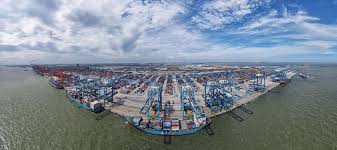
On Nov. 14, local time, the Chancay Port in Peru, an important project under Belt and Road cooperation between China and Peru, was inaugurated. It is the first intelligent and green port in South America. It will create over 8,000 jobs directly for Peru each year and generate revenue of $4.5 billion. A new land-sea corridor between Asia and Latin America is taking shape.

All people live in an interdependent world and rise and fall together. Only by maximizing consensus on win-win and all-win cooperation can a bright future be created.

Chinese path to modernization is a modernization that follows the path of peaceful development. Following the philosophy of win-win cooperation, China is continuously providing new opportunities for global development with its own modernization achievements. It is ready to work with all parties to advance global modernization featuring peaceful development, mutually beneficial cooperation and common prosperity.

Advancing reform and development through opening up, China now has more confidence and composure.

Our shared future depends on Earth. Working together for a shared future of humanity with a more open and inclusive mindset, the world will soon embrace another milestone achievement in green development.

China contributesto global rural road development and poverty reduction

By He Yin, People’s Daily

China’s State Council Information Office on Nov. 29 released a white paper titled “China’s Rural Roads in the New Era” to introduce the achievements and vision of rural road development in the new era and to share China’s experience.

China has explored an approach to developing rural roads in light of its realities. Over the years, it has shared its experience in rural road development and helped construct rural road infrastructure in other developing countries, contributing Chinese wisdom and solutions to global poverty reduction, people’s wellbeing and sustainable global development.

Easy access to convenient roads brings happiness to the doorstep. Following a people-centered development approach, China has worked vigorously to meet people’s needs for quality transport.

Upgraded and newly-built rural roads have added up to over 2.5 million kilometers over the past decade. By the end of 2023, the length of rural roads had reached 4.6 million kilometers, accounting for 84.6 percent of the total road length in China.

This safe and convenient transport network has brought about a remarkable transformation in Chinese rural areas, connecting villages and towns to the outside world and expanding bus services to villages. The ongoing development of rural roads will continue to bring benefits to China’s agriculture, rural areas and rural population.

Siddharth Chatterjee, the UN Development System Resident Coordinator in China, said that in China, he saw many outstanding examples of high-quality rural roads that were properly built, managed, maintained, and operated, as well as the resilience of the Chinese transport system.

At present, rural transport is still a bottleneck constraining the economic and social development of many developing countries. China is making concrete efforts to strengthen mutually beneficial transport cooperation with the international community, enabling impoverished areas in more countries to embrace greater prosperity.

The Belt and Road Initiative and the Global Development Initiative proposed by China have given full play to the foundational role of transport in bolstering economic and social development, injecting strong momentum into common progress.

In 2018, a resolution initiated and promoted by China – Eradicating Rural Poverty to Implement the 2030 Agenda for Sustainable Development – was adopted by the UN General Assembly, emphasizing further poverty reduction efforts through infrastructure construction.

By sharing its development experiences through international cooperation mechanisms and helping with the construction of rural road infrastructure in other developing countries, China has made active contributions to global rural road development and poverty reduction.

To improve the wellbeing of humanity, China has played an active role in building new platforms and mechanisms for global transport cooperation and in promoting knowledge and experience sharing. It has met its responsibilities as a major country with practical actions.

China is promoting “soft connectivity” by sharing Chinese standards. Since 2012, the country has released 73 industry standards for highway engineering in foreign languages. They represent a systematic effort in building industry standards in foreign languages and have been applied in hundreds of projects in dozens of countries around the world.

China hosted the Second United Nations Global Sustainable Transport Conference in 2021 and the Global Sustainable Transport Forum in 2023, and has established the Global Sustainable Transport Innovation and Knowledge Center, proactively building new platforms and mechanisms for global transport cooperation.

When it comes to international transport training, China has held 28 training sessions for more than 800 people, including a training program on road design and management in Botswana, an advanced training program on highway engineering for Belt and Road partner countries, a training program for technical personnel in highway engineering in other developing countries, and a training program on road network planning.

China has supported and participated in rural road construction projects in other developing countries, improving people’s wellbeing and promoting sustainable development.

For instance, a post-disaster reconstruction project implemented by the Ministry of Transport and Public Works of Ecuador with China’s support has significantly improved access to transport for around 1.5 million people along the route; and the road construction project on the fringes of the capital of Madagascar, supported by free aid from China, has made it easier to transport eggs from the town of Mahazaza and facilitated the development of local poultry farming. It is known by the locals as the “egg road.”

Since 2018, China has supported 24 developing countries including Cambodia, Serbia, Rwanda, Namibia, Vanuatu and Niger in highway and bridge construction and maintenance. By participating in construction projects and providing technical support and human resource support, China has helped improve rural road infrastructure of these countries, make travel much easier for local people, and reduce logistic costs by a large margin.

Rural roads help to connect beautiful scenery, drive the development of local industries, grow the local economy, and benefit the local people. In a spirit of openness and mutually-beneficial cooperation, China will strengthen international exchanges and collaboration in exploring new models and paths of rural road development, further contributing to global rural road development and poverty reduction, and building a global community of shared future.

China to advance international industrial, supply chain cooperation

By Ren Hongbin

The world today is undergoing profound changes unseen in a century. The international political and economic landscape is in the midst of profound and complex changes, with frequent outbreaks of regional conflicts and disturbances, intensified major-country competition, and backlash against globalization. Against this backdrop, the restructuring of global industrial and supply chains is occurring at an accelerated pace.

On one hand, the rapid development of a new round of technological revolution and industrial transformation represented by information technology, artificial intelligence, and new energy has made digitization and green development the major directions for the transformation and upgrading of industrial chains and supply chains.

On the other hand, influenced by factors such as the rise of protectionism, public health crises, and geopolitical turmoil in recent years, industrial chain and supply chain cooperation is more and more politicized and the concept of security is often overstretched.

Countries have different resource advantages and levels of development, and only through economic and trade cooperation can they achieve complementary advantages and win-win results.

While developing itself, China, the world’s largest developing country, has actively participated in global industrial and supply chains cooperation, continuously making new contributions to the stable operation of the global industrial chain and supply chains.

China promotes the building of a safe and stable industrial and supply chain system.

China has the most complete industrial categories and the most comprehensive supporting system according to United Nations standards. The country’s manufacturing value added accounted for approximately 30 percent of the global totalin 2023. Official statistics showed that China tops the world in terms of output of more than 40 percent of 500 major industrial products.

In recent years, China has improved its position in the global division of labor in mid- and high-end industries such as electronics and electrical equipment, and machinery equipment, providing important support for the stable operation of the global industrial and supply chains, and becoming a solid and reliable part of the global division of labor.

China promotes the building of a smooth and efficient industrial and supply chain system.

In recent years, guided by high-quality Belt and Road cooperation, China has promoted “hard connectivity” of infrastructure and “soft connectivity” of rules and standards with Belt and Road partner countries.

China has signed over 200 Belt and Road cooperation documents with more than 150 countries and over 30 international organizations, to strengthen alignment and coordination in strategic development planning and management standards and rules.

Iconic projects such as the China-Europe freight train service, the Hungary-Serbia Railway, and the Jakarta-Bandung High-Speed Railway have effectively reduced the cost of cross-border commodity transportation and transactions, promoting the quality and efficiency of the global industrial and supply chains.

China promotes the building of a mutually-beneficial industrial and supply chain system.

China pursues a more proactive strategy of opening up. It shares with the rest of the world the vast market of over 1.4 billion people. It has become a major trading partner with more than 150 countries and regions, maintaining its position as the world’s second-largest consumer market and the largest trading nation in goods. Over 90 percent of foreign-funded enterprises in China primarily target the Chinese market.

China, continuously expanding market access, is working to foster a world-class business environment that is market-oriented, law-based, and internationalized. It ranks at the forefront globally in attracting foreign investment, which provides ample opportunities for multinational companies to expand globally.

China promotes the building of an open and inclusive industrial and supply chain system.

Openness and inclusiveness are important drivers promoting common development and shared prosperity among countries. It is crucial to promote the integrated development of global industrial and supply chains as well as green and low-carbon transformation.

China advocates for mutual benefit and harmonious coexistence. It has put forward initiatives to strengthen supply chain cooperation in multilateral platforms such as the Asia-Pacific Economic Cooperation, the Group of 20(G20), and the BRICS, calling for joint efforts to eliminate non-economic factors that disrupt economic and trade relations.

China is actively promoting international cooperation on green development. Its high-quality production capacity in electric vehicles, lithium-ion batteries, and photovoltaic products enriches global supply and drives the green development of the global industrial chain. It has hosted the ASEAN Plus Three Industrial Chain and Supply Chain Partnering Conference to help enterprises from relevant countries integrate into the global industrial and supply chains.

In 2023, the China Council for the Promotion of International Trade(CCPIT) hosted the first China International Supply Chain Expo. As the world’s first national-level exhibition with a focus on the supply chain, it has effectively brought together upstream, midstream, and downstream sectors, facilitated integration among large, medium, and small enterprises, fostered collaboration among enterprises, universities, research institutions, and end-users, and enhanced interaction between Chinese and foreign enterprises. The expo has become a new open platform propelling two-way exchanges and win-win cooperation between China and the world.

The second China International Supply Chain Expowas held in Beijing from Nov. 26 to 30 this year. During the five-day expo, over 600 exhibitors from nearly 70 countries and regions established cooperative ties with more than 37,000 upstream and downstream suppliers.

Together with all parties, we will promote the building of closer global industrial and supply chain partnerships, and make new contributions to promoting the recovery and development of the world economy.

Maintaining global vision, China staunch supporter of global development

By He Yin, People’s Daily

China has been deepening international cooperation in poverty reduction, continuously sharing its anti-poverty experiences with other developing countries.

For instance, the Cambodia-China Friendship Village for Poverty Alleviation Project has brought enormous changes to local impoverished villages, significantlyimproving villagers’ livelihood; and in Madagascar, with hands-on guidance from Chinese agricultural experts, local farmers saw a substantial increase in hybrid rice yields.

In Fiji, China’s Juncao technology has not only enabled local farmers to grow high-quality edible and medicinal mushrooms,but also boosted livestock farming by providing premium livestock feed; and in Guyana, solar-powered streetlights donated by Chinese companies illuminate the nights of Moraikobai village, making it safer in the dark for villagers.

These cooperation stories highlight China’s active role and lasting contributions to global poverty alleviation efforts.

“China will always be a member of the Global South, a reliable long-term partner of fellow developing countries, and a doer and go-getter working for the cause of global development,”

These remarks were made by Chinese President Xi Jinpingin his speech on Fight Against Hunger and Poverty at the Session I of the 19th G20 Summit.

During the speech, Xi once again pointed out that prosperity and stability would not be possible in a world where the rich become richer while the poor are made poorer, and countries should make global development more inclusive, beneficial to all, and more resilient. He also outlined China’s eight actions for global development.

His remarks fully demonstrated that China, always maintaining a global vision, is committed to building a just world of common development with all parties and is always ready to help people in other developing countries break free from poverty.

China is always active in sharing its experiences in poverty alleviation and supporting developing countries in exploring their own unique approaches to poverty reduction and sustainable development in line with their specific national conditions.

China has hosted a range of seminars and exchange activities, including the ASEAN-China Forum on Social Development and Poverty Reduction, the International Forum on Sharing Poverty Reduction Experience, the Africa-China Poverty Reduction and Development Conference, and the International Seminar on Poverty Eradication and Responsibility of Political Parties, to share its poverty reduction experiences with other developing countries.

It has trained over 400,000 development personnel for over 180 countries and regions, significantly enhancing their capacity building in poverty reduction.

In August this year,during an official visit to China, Prime Minister of the Republic of Fiji Sitiveni Rabuka toured two villages in Malipo county, Zhuang and Miao autonomous prefecture of Wenshan, southwest China’s Yunnan province, to learn about China’s poverty alleviation and rural revitalization.

He also visited a poverty eradication-themed exhibition in Ningde, southeast China’s Fujian province, where he had exchanges with the Party School of Ningde Municipal Committee of the Communist Party of China on poverty reduction experiences and took extensive notes. He was impressed by the remarkable achievements in poverty eradication and development that China has accomplished under Xi’s leadership.

Pursuing high-quality Belt and Road cooperation is an important part of China’s eight actions for global development.

In 2019, Xi delivered a keynote speech at the opening ceremony of the Second Belt and Road Forum for International Cooperation, during which he stressed, “We need to take a people-centered approach, give priority to poverty alleviation and job creation to see that the joint pursuit of Belt and Road cooperation will deliver true benefits to the people of participating countries and contribute to their social and economic development.”

Since the Belt and Road Initiative (BRI) was proposed over 11 years ago, China has signed BRI cooperation agreements with more than 150 countries and over 30 international organizations, yielding a large number of signature projects and “small yet beautiful” programs focusing on improving people’s livelihood.

According to a research report by the World Bank, by 2030, the BRI is expected to lift 7.6 million people in partner countries out of extreme poverty and 32 million people out of moderate poverty. The practical Belt and Road cooperation has provided significant momentum to global poverty reduction efforts.

Poverty alleviation is one of the eight priority areas of cooperation under the Global Development Initiative (GDI), and the implementation of the initiative will significantly advance global efforts to reduce poverty.

In 2021, Xi proposed the GDI at the general debate of the 76th session of the United Nations General Assembly, where he emphasized the importance to stay committed to development as a priority, stay committed to a people-centered approach, and stay committed to benefits for all. He said that the GDI aims to build a global community of development, safeguard and improve people’s livelihoodsthrough development, and address unbalanced and inadequate development among and within countries.

Three years on, the GDI has helped make available nearly $20 billion in development funding and launch more than 1,100 projects. More than 100 countries and international organizations have supported and participated in the GDI, and more than 80 countries have joined the Group of Friends of the GDI.

China has consistently highlighted development as the “golden key” to tackling poverty issues.

In September this year, at the opening ceremony of the 2024 Summit of the Forum on China-Africa Cooperation (FOCAC), Xi noted that China will work vigorously with Africa to promote personnel training, poverty reduction and employment, enhance the sense of gain, happiness and security of the people in the course of modernization, and ensure that all will benefit from the process.

He announced that in the next three years, China will work with Africa to take ten partnership actions for modernization, many of which will help African countries reduce poverty.

In addition, China is pursuing high-standard opening up, and unilaterally opening its doors wider to the least developed countries (LDCs). It has announced the decision to give all LDCs having diplomatic relations with China zero-tariff treatment for 100 percent tariff lines. These measures expanding market access for their products are expected to improve people’s livelihood and deliver tangible poverty-reduction outcomes in these countries.

It is the common aspiration of developing countries to build a just world of common development, leave poverty in the past, and turn the vision of poverty eradication into reality. China will continue working hand in hand with other countries to create a world where peaceful development, mutual benefit, and shared prosperity are the hallmarks of modernization, and strive for the goal of eradicating poverty through common development.

China’s Juncao technology brings win-win outcomes to Fiji

By Zhang Niansheng, Wang Yunsong, Bai Yuanqi, People’s Daily

In 2014, with the joint efforts of the leaders of China and Fiji, the China-Fiji Juncao Technology Demonstration Center was established. Nine years later, the China-Pacific Island Countries Juncao Technology Demonstration Center (CPICJTDC) was unveiled in Fiji.

“The giant Juncao grass grows amazingly. It gets 5 to 8 centimeters taller per day in November,” said Lin Xingsheng, team leader of the China-Fiji Juncao Technology Demonstration Center.

“We have built a modern agricultural science and technology park covering an area of 3 hectares, integrating the ‘plant-fungi-animal‘ cycle. In addition, there is also a breeding base of about 10 hectares for Juncao seeds,” Lin added.

The Chinese technical personnel at the demonstration center actively explored and, based on the local climate and soil conditions, cultivated a variety of mushrooms using high-quality Juncao grass as nutrients, bringing tangible benefits to local farmers.

“The establishment of the demonstration center has ended the history of Fiji’s inability to grow mushrooms, making mushroom cultivation an emerging industry for prosperity,” said Ateleni Kaloumaira Vuinakelo, area field officer from Fiji’s Ministry of Agriculture and Waterways, who closely collaborated with Chinese experts in 2012 to introduce Juncao technology to Fiji.

Under the careful guidance of Chinese experts, the Fijian people gradually mastered the skills of cultivating over 10 varieties of edible mushrooms such as oyster mushrooms, ganoderma  lucidum, and termite mushrooms, leading to a significant increase in income.

“Juncao technology has changed the agricultural development pattern of Fiji. Juncao grass can not only cultivate high-quality edible and medicinal mushrooms but also serve as high-quality feed, driving the development of animal husbandry. It is a ‘golden key’ for the people of Fiji to get rid of poverty and become prosperous,” Vuinakelo said.

Water systems are well developed within Fiji, but riverbank erosion is a major issue in the local riverside areas, leading to soil erosion and severe damage to the local ecosystem.

Sant Kumar, a former agricultural staffer now running a hectare of farmland on the outskirts of Nadi, Fiji, told People’s Daily, “The government invests significant funds each year in river channel management, but the results are minimal.”

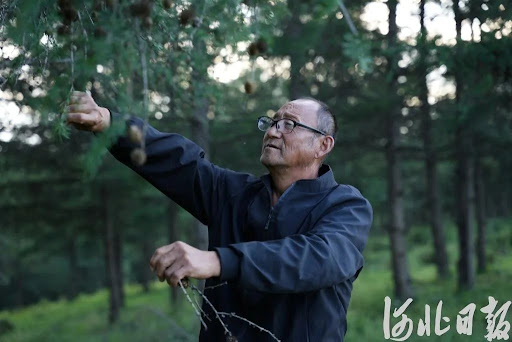
During a technical training session, Kumar learned about the robust root system of giant Juncao grass and its ability to stabilize soil. Therefore, he planted this grass variety on the riverbank of his farm.

“They were like a dense net, firmly securing the fertile soil,” he said. Today, lush giant Juncao grass grows along the riverbank, effectively preventing landslides.

“Giant Juncao grass has also brought additional economic benefits,” Kumar said, pointing to the mature mango trees on the bank.

“The soil improved by giant Juncao grass is very suitable for growing fruits. Abundant fruits not only meet our own needs but can also be sold to multiple markets. The combination of Juncao grass and fruit trees has brought us substantial income. I recommend the government to vigorously promote this sustainable development model, so as to achieve a win-win situation for the economy and the environment,” Kumar noted.

According to statistics, the land planted with giant reed grass has experienced a 97.05 percent to 98.9 percent reduction in soil erosion compared to corn fields, and a decrease of around 80.0 percent to 90.9 percent in water loss.

“Giant Juncao grass has enormous potential in promoting ecological restoration and sustainable development. Its well-developed root system acts as a ‘barrier’ against soil erosion and a ‘remedy’ for land salinization,” said Su Ribai, an expert from the CPICJTDC.

“Many Fijians affectionately called Juncao grass asgrass of happiness‘ because it has helped many farmers escape poverty, improve their lives. The Fiji-China Juncao grass cooperation is a livelihood project that every household can join, not only cultivating agricultural professionals in Fiji but also providing new ideas for ecological governance in Pacific island countries,” said Vuinakelo.

In recent years, with the deepening of high-quality Belt and Road cooperation, ‘grass of happiness’has not only entered numerous households in Fiji but also helped cultivate a large number of local talents who have grown into the backbone of the Juncao grass industry, injecting new vitality into local agricultural modernization.

Up to now, the demonstration center has successfully held more than 50 training sessions in Fiji, training over 2,700 local Juncao grass technical personnel.

Zhou Jian, Chinese Ambassador to Fiji, said: “As a demonstration project of South-South cooperation, Juncaotechnology has been applied and promoted in 106 countries and regions worldwide, contributing to 13 of the 17 Sustainable Development Goals set by the United Nations, and providing Chinese wisdom and solutions for poverty alleviation and ecological protection in many countries.”

China follows targeted strategy in poverty alleviation, eliminates root causes of poverty through development

By He Yin, People’s Daily

Recently, the launch ceremony of the Portuguese edition of Chinese President Xi Jinping’s book on poverty relief, “Up and Out of Poverty,” and a seminar on the governance of China and Brazil wereheld in Rio de Janeiro, Brazil.

Osmar Junior, executive secretary of Brazil’s Ministry of Development and Social Assistance, Family and Fight against Hunger,noted that over 30 years ago, while working in Chinese impoverished areas, Xi led the local people in findingsuitable ways out of poverty. His book “Up and Out of Poverty” holds even greater significance in a world of turbulence and transformation, added Junior.

Junior noted that the book shares profound insights into national governance and social development, offering valuable lessons on poverty alleviation and sustainable development.

As the world’s largest developing country, China has always given top priority to the fight against poverty in its national governance. It has lifted 800 million people out of poverty, setting an example for global poverty reduction.

In this process hailed as “the greatest leap to overcome poverty in history,” China has blazed a poverty reduction trail and formed an anti-poverty theory with Chinese characteristics. Many of the experiences are worth learning fromfor other countries, which is why books like “Up and Out of Poverty” have become essential reading for many international dignitaries.

In the battle against poverty, the Communist Party of China (CPC) has fully leveraged its role in overall planning and coordinatedthe efforts of all sides, forming a magnificent force of unity and action to fight poverty.

China has included poverty alleviation in its Five-sphere Integrated Plan and the Four-pronged Comprehensive Strategy; worked to ensure that secretaries of Party committees at the provincial, city, county, township, and village levels tackled poverty alleviation as a major priority, and that all Party members were mobilized in the fight; and assigned 255,000 work teams and more than 3 million first secretaries and officials to villages nationwide, where they worked on the front lines of poverty reduction.

Uzbekistan has intensified efforts to reduce povertyin recent years,piloting China’s anti-poverty experience in various regions across the country. Nearly 10,000 Uzbeks have participated in online training programs introducingChina’s experience and practices.

The country has achieved significant results in poverty reduction, creating a community-based anti-poverty system that involves the establishment of assistance registries for impoverished households, women and youth, which is a key component of anti-poverty efforts.

The ancient Chinese philosopher Han Fei Zi said, “The key to achieving your aspirations lies not in overcoming others, but in overcoming your own weaknesses.” Similarly, to shake off poverty, it is essential to shake off the mindset of poverty.

China has remained committed to mobilizing the enthusiasm, initiative, and creativity of impoverished people so that they have the drive to lift themselves out of poverty.

Chairperson of the African Union Commission Moussa Faki Mahamatnoted that he felt a strong sense of self-reliance in China’s poverty alleviation endeavors, which he believes is the fundamental principle behind China’s fascinating achievements in poverty reduction.

A targeted approach is the crux of the fight against poverty. China followed a targeted and development-driven strategy in poverty alleviation, under which development is fundamental to eliminate the root causes of poverty.

China adopted a set of targeted policies tailored to local conditions, such as setting up a national registration system and assigning officials to villages to identify the targets of poverty alleviation and determine who to help; establishing a poverty exit mechanism and giving counties a five-year period of grace from the day they emerged from poverty to make clear how to help, how to apply an exit mechanism for those who have emerged from poverty, and how to ensure that people do not return to poverty.

China has launched five key measures through which people would be lifted out of poverty, namely new economic activities, relocation from uninhabitable areas, recompense for eco-protection, education, and social assistance for basic needs. Besides, China has set standards in six areas to ensure the precision of work: identifying the poor accurately, arranging targeted programs, utilizing capital efficiently, taking house-based measures, dispatching first Party secretaries based on village conditions, and achieving the set goals.

Targeted poverty alleviation has proved to be China’s “magic weapon” for winning the battle against poverty, and a major innovation in the theory and practice of poverty reduction, greatly enriching and expanding the pathways for poverty reduction for humanity.

Drawing on China’s targeted poverty alleviation approach, Khon Kaen province in Thailand has achieved tangible results in poverty reduction. A local official said thatChina not only allows the world to understand the importance of targeted poverty alleviation and see the possibility of poverty eradication, but also provides the courage and experience to address poverty issues.

In December 2018, the 73rd session of the UN General Assembly adopted the first-ever resolution addressing poverty eradication in rural areas, which contains the Chinese concept of “targeted poverty alleviation.”

UN Secretary-General Antonio Guterres spoke highly of the Chinese experience, saying targeted poverty reduction strategies are the only way to reach those farthest behind and achieve the ambitious targets set out in the 2030 Agenda for Sustainable Development. China’s experience can provide valuable insights to other developing countries, he added.

Poverty is not predestined, nor is it unconquerable.China’s experience in poverty alleviation indicates that with strong will and determination, as well as practical action, one can make steady progress towards overcoming poverty.

China has joined the Global Alliance Against Hunger and Poverty.It stands ready to continue carrying out and supporting international cooperation in poverty reduction. Together with all parties, China is committed to building a world of common prosperity and free of poverty.

PH Refinery: Anti-Corruption Groups, Others Floor TV station over needless attacks on Tinubu, Kyari

….hails commencement of refining PMS, others

The Coalition of Civil Society Organisations Against Corruption, COCSOAC, Nigerian Professionals in Diaspora, NPID, and Bloggers, Monday, vehemently condemned a national television station over open attacks and misinformation on President Bola Tinubu, and Group Chief Executive Officer, GCEO, Engr Mele Kyari, on achievements of the NNPCL, deregulation of Premium Motor Spirit, PMS, and progress recorded in the oil and gas sector.

The groups in a statement signed by Director, NPID, Abiye Tariebi; National Secretary, COCSOAC, Malam Aminu Kazaure; and Spokesman, Bloggers and Content Creators, Olusola Akindele, expressed displeasure over intentional comments by a media organisation that supposed to be objective in its reportage or analysis on critical and sensitive national issues, which if negative dissemination of information could trigger national unrest.

The statement reads in part, “The Coalition of Civil Society Organisations Against Corruption (COCSOAC), Nigerian Professionals in Diaspora (NPID), and Bloggers express profound disappointment with the constant misrepresentation and lack of balanced reportage by ARISE TV regarding the Nigerian National Petroleum Company Limited (NNPCL).

“It is disheartening that a media organization as prominent as ARISE TV continues to disseminate unbalanced narratives on crucial national matters such as the achievements of NNPCL, the deregulation of Premium Motor Spirit (PMS), and the progress recorded in the oil and gas sector. Accurate journalism demands fairness and objectivity, yet ARISE TV has consistently failed in this regard.

“It is essential for media organizations to uphold the principles of truth and objectivity, as biased reporting can misinform the public and undermine national development.

“We urge ARISE TV to uphold journalistic ethics by providing balanced stories, engaging stakeholders fairly, and avoiding the dissemination of skewed narratives that do not reflect the realities of NNPCL’s achievements.”

Meanwhile, the groups hailed the Kyari-led NNPCL over the giant achievements made so far in the nation’s oil and gas sector, especially, the the commencement of refining of PMS and other products by the Port Harcourt Refinery, PHR, after many years of shutdown on refining activities.

“NNPCL, under the visionary leadership of its Group CEO, Mr. Mele Kyari, has made significant strides in the Nigerian oil and gas sector. These achievements include the successful reopening of the Port Harcourt Refinery after years of stagnation and the imminent reopening of the Warri Refinery.

“These efforts are critical milestones in addressing Nigeria’s energy challenges, reducing dependency on imported refined products, and boosting the national economy.

“We also commend the bold economic reforms and support of President Bola Ahmed Tinubu, whose leadership has ensured that these initiatives remain on course. His administration’s commitment to revitalizing Nigeria’s energy infrastructure underscores his dedication to sustainable development and economic growth.”

The groups also called on Nigerians to support and sustain government policies and their impact, because they are the government as well following the system of government the nation is running.

“As Nigerians and stakeholders in national progress, we reaffirm our support for NNPCL and President Tinubu’s administration.

“We call on all citizens to celebrate and encourage the efforts of Mele Kyari and his team in transforming the Nigerian oil and gas sector.

“The Coalition remains committed to exposing unbalanced reporting and ensuring that the truth prevails in the interest of national development.”

Oyo Governorship Race: Stakeholders Drum Support For FIRS Boss Adedeji

The Oyo Stakeholders Forum (OSF) has identified the current Chairman of the Federal Inland Revenue Service (FIRS), Dr. Sir Zacch Adedeji as the only aspirant with the vision and capacity to transform the state ahead of the 2027 governorship election.

The stakeholders revealed that they are pleased and satisfied with the exploits of Adedeji as FIRS which the achievement is ostensibly clear even for the blind to see, hence the call for him to transform Oyo state in 2027.

The Forum also pointed out that, “under Dr. Adedeji’s leadership at FIRS, Nigeria has witnessed a revolution in its tax administration system. His commitment to leveraging technology, implementing strategic reforms, and fostering public trust in the tax process has resulted in unprecedented revenue growth for the nation.”

The development was made known during a press conference addressed by the coordinator of the forum, Elder Jelili Akande, on Tuesday in Abuja.
OSF called on the people of Oyo to look forward to electing Adedeji as governor in 2027, while underscoring the need for his achievements at FIRS currently to be brought to bear in the governance of Oyo state.

Adding that Oyo state stands to benefit from Adedeji’s experience and exposure in the area of: replicating achievements at FIRS in Oyo; Modernizing Oyo state’s tax system; People-centered approach to revenue generation; Harnessing Oyo’s economic potential, and infrastructural development.

“The Oyo Stakeholders Forum firmly believes that Dr. Sir Zaach Adedeji possesses the vision, experience, and determination to transform Oyo State’s revenue system and drive sustainable development. His track record at FIRS is a testament to his ability to deliver results, and his commitment to transparency and accountability is exactly what Oyo State needs at this critical time.

“As we look forward to the 2027 elections, we urge all Oyo residents to support this vision of a prosperous, self-reliant state. Together, we can build an Oyo State where every resident shares in the benefits of economic growth and development,” Akande stated.

Part of the statement read:
“As Oyo State prepares for the 2027 gubernatorial elections, Dr. Adedeji’s vision for transforming the state’s revenue system comes as a beacon of hope. Oyo State, with its rich resources and industrious population, is brimming with untapped potential. However, the state’s heavy reliance on federal allocations has hindered its ability to achieve sustainable development.
Dr. Adedeji’s expertise in revenue generation offers a pathway to change this narrative and position Oyo State as a model of economic self-sufficiency and progress.

ACHIEVEMENTS AT FIRS: A TEMPLATE FOR OYO STATE
DR. ADEDEJI’S tenure at FIRS has been marked by strategic reforms that have improved efficiency and transparency. Key among these achievements is the introduction of a digital tax filing system, which has streamlined tax processes and minimized leakages. This technological transformation has made compliance easier for businesses and individuals alike, leading to a significant increase in tax revenues.

Additionally, Dr. Adedeji championed public-private partnerships to create awareness about tax compliance, ensuring that more businesses became part of the formal economy. His efforts have not only widened the tax net but have also restored public confidence in how tax revenues are utilized. Such achievements demonstrate his ability to create sustainable solutions that benefit both the government and citizens—a template he plans to replicate in Oyo State.

MODERNIZING OYO STATE’S TAX SYSTEM
As Governor, Dr. Adedeji plans to modernize Oyo State’s tax administration system, making it more inclusive, transparent, and technology-driven. His strategy will involve the deployment of innovative tools to identify untapped revenue streams, expand the tax base, and ensure that every taxable entity contributes fairly to the state’s development.

Central to this transformation will be a shift from the traditional reliance on federal allocations to a robust internally generated revenue (IGR) framework. By leveraging data analytics and automation, Dr. Adedeji aims to reduce leakages, improve compliance, and make the tax process seamless for individuals and businesses alike.

A PEOPLE-CENTERED APPROACH TO REVENUE GENERATION
Dr. Adedeji’s approach to revenue generation is rooted in his belief that governance should serve the people. As such, he is committed to ensuring that every kobo generated is accounted for and channeled into projects that directly impact the lives of Oyo residents. This includes investments in critical areas such as education, healthcare, infrastructure, and job creation.

His administration will prioritize transparency by implementing a system where taxpayers can easily track how their contributions are utilized. This level of accountability will not only boost public trust but also encourage voluntary compliance.

HARNESSING OYO’S ECONOMIC POTENTIAL
Oyo State is endowed with vast resources and opportunities. From its thriving agricultural sector to its emerging industrial hubs, the state has the potential to become an economic powerhouse. Dr. Adedeji’s vision includes harnessing these resources by creating an enabling environment for businesses to thrive.

His plans include offering tax incentives to attract local and foreign investments, particularly in key sectors such as agribusiness, manufacturing, and technology. By doing so, he aims to create jobs, boost productivity, and ultimately increase the state’s revenue.

THE PATH TO INFRASTRUCTURAL DEVELOPMENT
The increase in IGR under Dr. Adedeji’s leadership will translate into tangible benefits for the people of Oyo State. With more funds at the state’s disposal, his administration will focus on the development of critical infrastructure such as roads, schools, hospitals, and water supply systems. These projects will not only improve the quality of life for residents but also enhance the state’s attractiveness to investors.

A CALL  FOR ACTION
The Oyo Stakeholders Forum firmly believes that Dr. Sir Zacch Adedeji possesses the vision, experience, and determination to transform Oyo State’s revenue system and drive sustainable development. His track record at FIRS is a testament to his ability to deliver results, and his commitment to transparency and accountability is exactly what Oyo State needs at this critical time.

As we look forward to the 2027 elections, we urge all Oyo residents to support this vision of a prosperous, self-reliant state. Together, we can build an Oyo State where every resident shares in the benefits of economic growth and development.”

China injects positive energy into multilateral climate governance process

By He Yin, People’s Daily

The29th session of theConference of the Parties to the United Nations Framework Convention on Climate Change (COP29) concluded on Nov. 24, overrunning by some 30 hours.

A package of climate agreements was reached, including decisions on the New Collective Quantified Goal (NCQG) for climate financing and issues relating to the global carbon market mechanism under Article 6 of the Paris Agreement.

The arrangement is expected to lay the groundwork for developing countries to undertake climate action and submit a new round of nationally determined contributions next year. It further consolidated the general trend of global green and low-carbon transition.

This once again proved that humankind is a community with a shared future, and we must unite together and jointly cope with climate challenges.

Multilateralism is the fundamental principle and the ultimate solution for global climate action. China firmly upholds multilateralism, always safeguarding the international system with the UN at the core and supporting the role of the United Nations Framework Convention on Climate Change (UNFCCC) as the primary platform for global climate governance. No matter how the international landscape may evolve, there will be no change in China’s determination or efforts to actively address climate change.

China is resolutely implementing a national strategy of actively responding to climate change, staying committed to green development, and providing crucial momentum for the global green transition.

From actively advancing climate negotiations to officially launching the International Zero-Carbon Island Cooperation Initiative, and from establishing a “China Pavilion” to showcase its climate action experience to organizing a series of side events, China demonstrated its commitment to practical action during the COP29. By working in solidarity with all parties, China has infused positive energy into the multilateral process of global climate governance, firmly practicing true multilateralism.

Ana Toni, national secretary for Climate Change at the Ministry of Environment and Climate Change of Brazil, noted that the series of events hosted by China during the conference reflected its strong commitment to tackling climate change and its willingness to share development experiences, exemplifying the responsibilities of a major country.

Under the framework of South-South cooperation on climate change, China has consistently provided support and assistance to other developing countries. Since 2016, China has provided and mobilized more than 177 billion yuan ($24.5 billion) financial support to bolster climate initiatives in other developing countries.

China has signed 53 memorandums of understanding with 42 developing countries and has organized 58 South-South cooperation training sessions on climate change. These sessions have trained more than 2,400 professionals in the field, offering tangible support to nations striving to tackle climate challenges.

Jeffrey Sachs, president of the UN Sustainable Development Solutions Network and a professor at Columbia University, remarked that China has become a leader in the global energy transition and an indispensable force in the fight against climate change.

Addressing climate change is a shared mission for all humanity and requires collaboration among major countries. China and the United States have previously set an example by being among the first to ratify the Paris Agreement and jointly submitting their ratification documents to the UN Secretary-General. They also led the way in completing the peer review of fossil fuel subsidies under the G20 framework, making significant contributions to the global effort against this challenge.

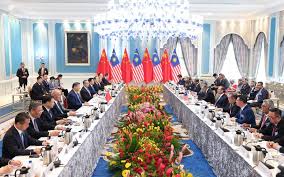
In November last year, the Chinese and U.S. Presidents held a successful meeting in San Francisco, where advancing climate cooperation was one of the key outcomes. Guided by the leaders of both nations, the two sides have actively implemented the Sunnylands Statement on Enhancing Cooperation to Address the Climate Crisis and officially launched a Working Group on Enhancing Climate Action in the 2020s.

During the COP29, a China-U.S. joint research report on circular economy (2024) and other research outcomes on circular economy were unveiled for the first time, aiming to promote circular economy development and support global climate goals.

On the basis of mutual respect, reciprocity, and consideration of each other’s concerns, China and the United States have strengthened dialogue and communication in the climate domain, explored mutually beneficial cooperation, and fostered a favorable “macro climate” for joint efforts to combat climate change.

The earth is our shared home, and a clean and beautiful world with bluer skies, greener mountains, and clearer waters is the common aspiration of everyone in this global village.

China will continue to work with all parties, uphold the vision of building a community with a shared future for mankind, and advance the multilateral process and international cooperation on climate change, so as to promote harmony between humanity and nature, and make the planet cleaner and more beautiful.