Government Borrowing Soars by N11tn in August Amid Economic Concerns

The Central Bank of Nigeria (CBN) revealed that credit to the Federal Government surged by N11.33 trillion (57.11%) in August, rising from N19.83 trillion in July to N31.15 trillion. This growing reliance on CBN facilities underscores the government’s need to finance capital projects and service debt. Economic experts, however, warn that the increased borrowing could further strain the economy and drive inflationary pressures.

While government borrowing has skyrocketed, credit to the private sector fell by N777.13 billion (1.03%) in the same period, continuing an inconsistent trend throughout the year. The CBN recently raised the monetary policy rate to 27.25% and increased cash reserve ratios for banks, aiming to curb inflation but risking tighter liquidity in the private sector.

Nigeria’s total public debt also rose to N121.67 trillion by June 2024, reflecting concerns over fiscal management and the potential long-term impact on economic growth.

Edo Deputy Governor’s Office Sealed Amid Escalating Political Rift

The office of Edo State Deputy Governor, Philip Shaibu, was sealed off by a heavy police presence on Sunday, intensifying the political discord between Shaibu and Governor Godwin Obaseki. Police officers and a machine gun-mounted truck were seen guarding the office on Osadebe Avenue in Benin, with access completely restricted.

The closure follows the earlier relocation of Shaibu’s office from the Government House during a well-publicized standoff with Governor Obaseki. Staff members have since been instructed to report to the John Odigie Oyegun Public Service Academy (JOOPSA), where they resumed work on Friday. Official vehicles, including the Deputy Governor’s press crew bus, were moved to the Government House as part of the ongoing fallout between the state’s top officials.

Committee Recommends Formal Seed System to Combat Ginger Blight in Nigeria

In response to the devastating ginger blight that struck major ginger-producing states in Nigeria, the Federal Ministry of Agriculture and Food Security, under the directive of the Vice President’s office, has taken significant action. Senator Abubakar Kyari, Minister of Agriculture and Food Security, inaugurated a task force, led by Engr. Abubakar Abdullahi, to tackle the fungal disease affecting farmers in Kaduna, Nasarawa, Plateau, and the Federal Capital Territory (FCT).

The National Ginger Blight Epidemic Control Taskforce has submitted the Ginger Seed Road Map to the ministry, emphasizing the need for a formal seed system. The current lack of certified ginger seeds has led farmers to use whatever they can find, contributing to the spread of the disease.

The committee’s recommendations include:

  1. Research and Development: The National Root Crops Research Institute (NRCRI) should focus on developing disease-resistant ginger varieties and sustainable farming methods.
  2. Seed Certification: The National Agricultural Seed Council (NASC) should establish a formal seed certification system and foster public-private partnerships.
  3. Farmer Training: Strengthen education and training for farmers, equipping them with modern agricultural techniques for ginger cultivation.

Two registered ginger varieties, UMUGIN 1 and UMUGIN 2, are currently in use, but the task force is calling for more research to develop new varieties. Nigerian ginger remains in high demand globally due to its high oil content and unique pungency.

Dealers Track Farmers Door-to-Door to Buy Grains

Since the harvest began weeks ago, grain markets across Nigeria have experienced increased trading activities, with dealers tracking farmers even to villages to buy grains. For example, in Niger State, maize is sold at varying prices depending on its dryness, ranging from N42,000 to N48,000 per 100kg bag, while local rice is sold for N150,000 per 100kg.

Farmers in areas such as Gunu, Lapai, and Bida have been selling directly to middlemen, many of whom come from states like Sokoto, Kano, and Zamfara. These middlemen are said to create artificial scarcity by buying large quantities and reselling them at higher prices.

According to traders and farmers, the rush to buy grains is also due to fears of future price hikes, particularly as other staple food prices rise. Poultry farmers have also increased their grain purchases for feed production.

Despite some criticism, middlemen and brokers argue that they are not responsible for price hikes, insisting that the market itself dictates prices. However, some experts suggest that government intervention, such as establishing agricultural marketing boards, could help stabilize prices.

What the Presidential Livestock Reform Committee Recommended

In a bid to revamp Nigeria’s livestock sector, which is valued at N33 trillion but contributes less than 3% to the GDP, President Bola Ahmed Tinubu inaugurated the Presidential Livestock Reforms Implementation Committee in July 2024. The committee, co-chaired by Professor Attahiru Jega, delivered its inception report, providing strategic recommendations to address challenges in Nigeria’s livestock industry.

Among the issues identified were poor breed quality, high feed costs, limited access to inputs, infrastructure deficits, and farmer-herder conflicts. Key proposals include:

  1. Breed Improvement: Upgrading indigenous livestock to enhance productivity.
  2. Infrastructure Investment: Improving livestock extension, veterinary services, and feed production.
  3. Conflict Resolution: Strengthening mechanisms to resolve herder-farmer conflicts.
  4. Pastoral Support: Establishing grazing reserves and feedlots for 1.5 million Tropical Livestock Units.
  5. Mass Animal Tagging: Implementing a national tagging program to track 11.1 million animals.

The report also recommended the establishment of eight new livestock research institutes, focusing on areas like beef, dairy, poultry, and animal diseases. If fully implemented, the committee believes these reforms could modernize the sector, create jobs, and improve food security.

Spurs Thrash 10-Man Manchester United 3-0, Increasing Pressure on Ten Hag

Tottenham Hotspur secured a dominant 3-0 victory over Manchester United at Old Trafford, adding more pressure on United manager Erik ten Hag. Spurs took the lead within the first three minutes through a swift attack initiated by Micky van de Ven, setting up Brennan Johnson for the opener. United’s struggles intensified when captain Bruno Fernandes was sent off with a red card for a late challenge on James Maddison before halftime. Dejan Kulusevski and Dominic Solanke added two more goals, sealing the comprehensive win for Spurs, who now rise to eighth in the Premier League standings. United drop to 12th after the defeat.

Governor Fubara Declares Loyalty to What’s Right, Not Individuals, in Response to Wike’s Allegations

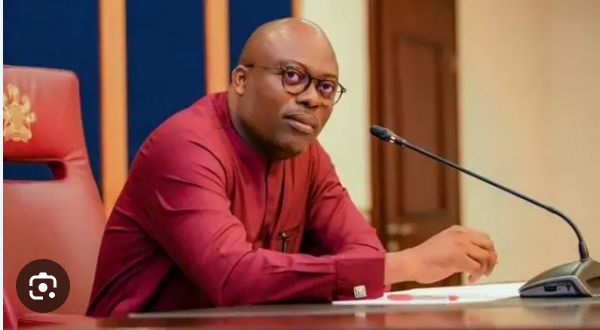
Rivers State Governor Siminalayi Fubara has emphasized that his loyalty lies in doing what is right, not in personal allegiance, in response to criticisms from his predecessor, Nyesom Wike. Fubara, speaking at an Independence Day Thanksgiving Service, rejected Wike’s claims that he had betrayed those who helped him rise to power. The Governor highlighted the progress his administration has made, including major infrastructure projects, while asserting that those attacking him would soon need psychiatric care, a reference to a new hospital project in Rivers State.

Tinubu Administration Distributes CNG Buses to Labour Unions and Students to Ease Economic Hardship

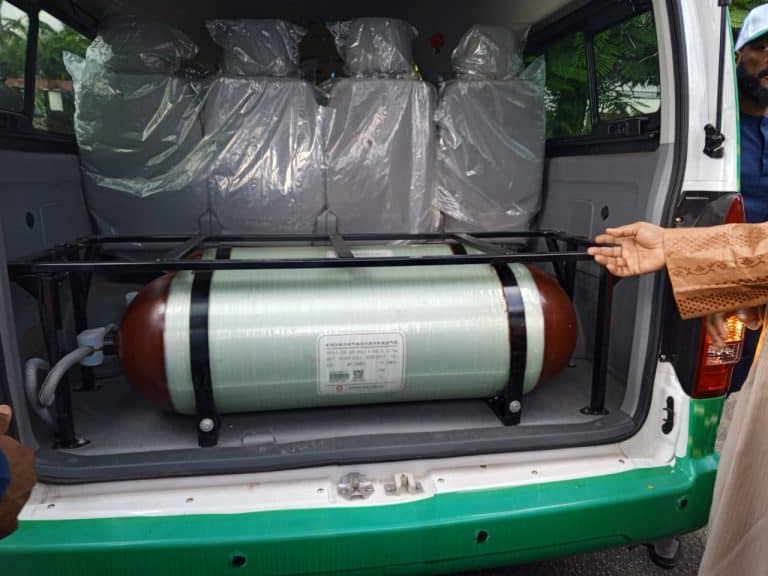
On Sunday, the government of President Bola Tinubu delivered 64 Compressed Natural Gas (CNG) buses to labour and student leaders at the State House in Abuja. The initiative fulfills a promise made during negotiations on the new minimum wage to ease the economic challenges faced by Nigerians. The buses, each with a 100-seat capacity, were presented by Finance Minister Wale Edun. This move aims to help mitigate the impact of rising living costs. Meanwhile, northern groups have criticized recent hikes in fuel prices, which have exacerbated economic pressures on citizens.

SERAP Warns INEC Chair to Comply with Court Ruling on Electoral Offences or Face Contempt

The Socio-Economic Rights and Accountability Project (SERAP) has urged INEC Chairman, Professor Mahmood Yakubu, to comply with a court ruling mandating the investigation of electoral offences. Delivered on July 18, 2024, the ruling requires INEC to address issues of bribery and misconduct involving state officials during the 2023 general elections. SERAP warned that failure to act within seven days would result in contempt proceedings. The organization emphasized the importance of upholding the rule of law to restore trust in Nigeria’s electoral system and end impunity for electoral offences.

Ndume Laments Corruption in Nigeria, Calls for Stronger Anti-Graft Laws

Senator Mohammed Ali Ndume of Borno South has expressed frustration over the growing corruption in Nigeria, lamenting that those who steal public funds are often celebrated. Speaking in Kano, Ndume criticized the lack of effective laws to address corruption, stating that people who suddenly acquire wealth are rarely questioned about its source. He also shared his failed attempt to pass legislation targeting unexplained wealth and called for greater investment in agriculture to tackle the nation’s hunger crisis, stressing Nigeria’s vast but underutilized arable land.