Nigeria Secures $1.57 Billion from World Bank to Boost Human Capital and Climate Resilience

Nigeria has received a significant financial boost from the World Bank, totaling $1.57 billion, to support three key initiatives aimed at enhancing human capital and strengthening resilience against climate change. This new funding comes amidst a challenging backdrop, with the World Bank reporting that 104 million Nigerians are currently living in poverty, exacerbated by recent subsidy and foreign exchange reforms.

The allocated funds will target the improvement of health services for women, children, and adolescents while also enhancing dam safety and irrigation systems to mitigate the impacts of climate-related challenges such as floods and droughts.

This latest financial support includes $500 million designated for addressing governance issues that impede the delivery of education and health services (HOPE-GOV), $570 million for the Primary Healthcare Provision Strengthening Program (HOPE-PHC), and another $500 million for the Sustainable Power and Irrigation for Nigeria Project (SPIN).

The HOPE-GOV and HOPE-PHC programs are designed to improve service delivery in essential education and healthcare sectors, which are critical for advancing Nigeria’s human capital outcomes. The SPIN initiative will focus on enhancing dam safety and water resource management for hydropower and irrigation in targeted regions.

The HOPE-GOV program aims to address key governance challenges in the education and healthcare sectors, improving the efficiency and transparency of funding while optimizing the management of personnel at all government levels.

In line with the Federal Government’s health sector reforms, the Central Bank of Nigeria (CBN) has introduced the Health Sector Renewal Investment Initiative, particularly the HOPE-PHC project, which aims to enhance the quality and accessibility of crucial reproductive and maternal health services. This initiative targets significant reductions in maternal and child mortality rates and is expected to benefit 40 million people, particularly in vulnerable communities.

The project includes a concessional credit of $500 million from the International Development Association (IDA) and an additional $70 million in grants from the Global Financing Facility for Women, Children, and Adolescents (GFF). These funds will address financing shortfalls in primary and community healthcare.

Moreover, the SPIN Program aims to protect Nigerian citizens from the effects of climate change by improving dam operations and developing enhanced irrigation and drainage services across 40,000 hectares, directly benefiting approximately 950,000 individuals, including households and farmers.

Dr. Ndiamé Diop, World Bank Country Director for Nigeria, emphasized the importance of investing in health and education to improve employment opportunities and reduce poverty. He expressed confidence that the new financing would help tackle the challenges faced by Nigerians, particularly women and girls, in accessing quality services.
Calls for Regional Government Dominate Constitution Amendment Submissions

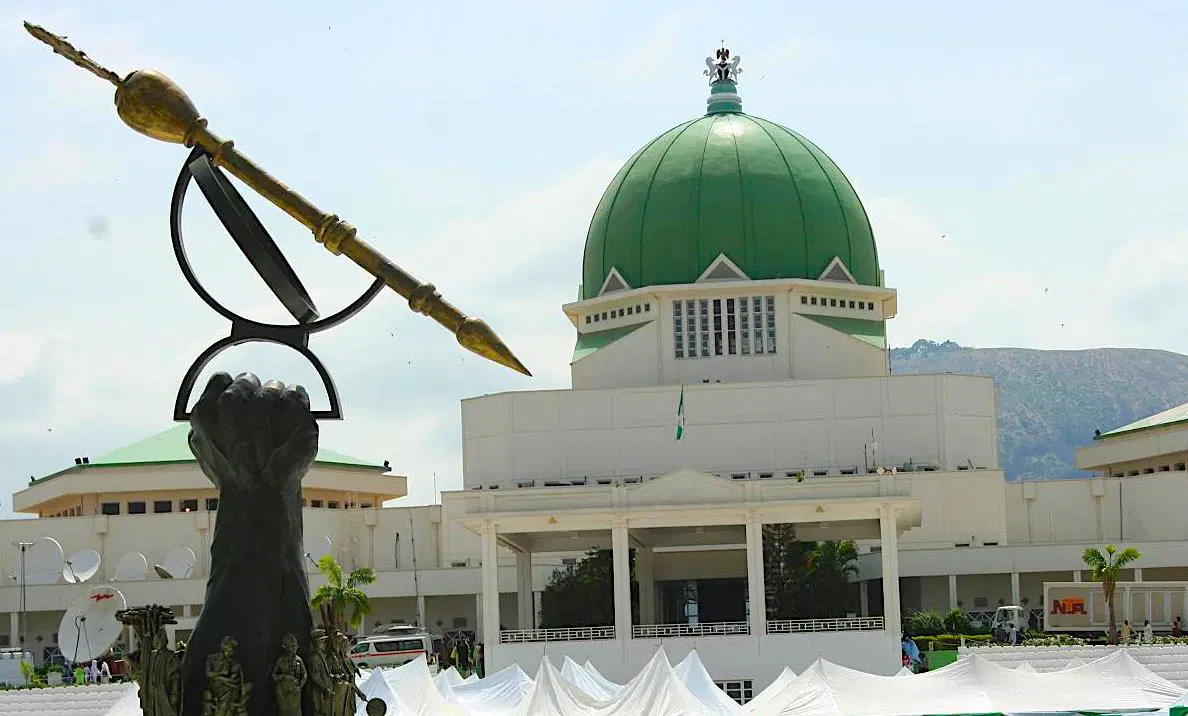
As the National Assembly reviews public memoranda for the ongoing constitutional amendment process, a significant number of Nigerians have expressed support for a return to the regional system of government. Of the 56 memoranda submitted, key topics include regional governance, unicameral legislature, local government autonomy, state police, and gender equality.

The push for regional government, particularly from southern Nigeria, gained traction following a draft proposal by Dr. Akin Fapohunda, advocating for a “New Governance Model for Nigeria” to replace the 1999 Constitution. Various groups, including the Kwara South Consultative Forum, All Middle Belt Youth Forum, and Okun Development Association, are among those calling for a restructuring of the current federal system to empower regions with more autonomy over resources and governance.

Despite growing support, lawmakers remain divided on the issue. Some senators, like Opeyemi Bamidele, stressed that such a significant change would require broad political consensus. Others, like Senator Abdul Ningi, oppose the move, arguing that regionalism did not benefit their constituencies in the past.

The debate reflects ongoing tensions over the future of Nigeria’s governance structure, with advocates calling for reforms to address issues of resource management and accountability.

Federal Government Takes Steps to Prevent ASUU Strike

The Ministry of Education is actively working to avert a potential strike by the Academic Staff Union of Universities (ASUU). Folasade Biriowo, the ministry’s Director of Press, assured that measures are being put in place to address the union’s concerns.

ASUU recently issued a 14-day ultimatum to the Federal Government, demanding resolution of outstanding issues or face a strike. Key demands include finalizing the renegotiation of the 2009 FGN/ASUU Agreement, based on the Nimi Briggs Committee’s Draft Agreement of 2021, and addressing withheld salaries from the 2022 strike.

Other critical issues include the release of unpaid salaries for staff on sabbatical and adjunct appointments, funding for public university revitalization outlined in the 2023 Federal Government Budget, and the payment of Earned Academic Allowances. Additionally, ASUU is advocating for the adoption of the University Transparency and Accountability Solution in place of the Integrated Payroll and Personnel Information System (IPPIS).

ASUU President Emmanuel Osodeke expressed disappointment with the government’s perceived lack of commitment, warning that continued delays could escalate the crisis within the public university system. He stated that the union would hold the government responsible for any disruption arising from its failure to address these matters within the extended timeframe.

Consumers Challenge Minister’s Claims on Improved Power Supply

The Electricity Consumer Protection Advocacy Centre (ECPAC) has voiced strong opposition to the Ministry of Power’s recent assertion that over 40% of Nigerians now enjoy up to 20 hours of daily power supply. Minister of Power Adebayo Adelabu made this claim on Sunday, attributing the improvements to reforms under President Bola Tinubu’s administration.

While Adelabu reported significant advancements in Nigeria’s electricity generation, citing over 5,500 megawatts of power generated, ECPAC’s Executive Director, Chief Princewill Okorie, dismissed the claims as “laughable.” He criticized the lack of credible data supporting the minister’s statistics, questioning the absence of reports from Nigeria’s 36 states and the need for comprehensive data collection from local governments.

Okorie proposed that the Ministry of Power establish a consumer protection department to accurately track electricity supply, arguing that the government should focus on addressing consumer complaints rather than issuing misleading reports.

Adelabu also highlighted ongoing infrastructure improvements and the recent signing of the Electricity Act of 2023, which aims to decentralize and liberalize the sector. He noted that installed generation capacity has increased from 13,000 MW to over 14,000 MW due to new hydroelectric projects and upgrades.

Despite the minister’s optimistic outlook, consumer advocates are unconvinced, insisting on more direct engagement with electricity users to understand their real experiences. They call for transparent, real-time data and effective solutions rather than mere announcements.

In addressing the critical need for stable electricity, Adelabu emphasized that reliable power supply is fundamental for economic growth, drawing comparisons with developed nations that have successfully industrialized due to consistent electricity availability. He reiterated the ministry’s commitment to providing stable electricity for households, businesses, and institutions, with ongoing initiatives like the Presidential Metering Initiative aimed at installing over 10 million meters in five years.

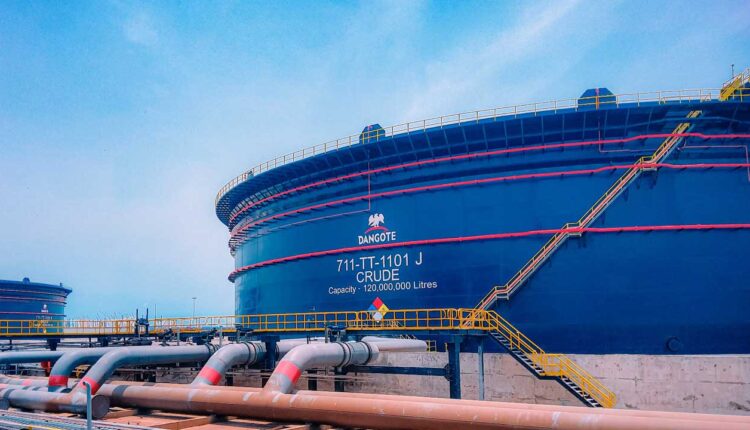
Naira-For-Crude Deal to Commence, NNPC to Supply Dangote Refinery Starting October 1

The Nigerian National Petroleum Company Limited (NNPC) is set to begin supplying crude oil in naira to the Dangote Petroleum Refinery starting on October 1, 2024. This follows the Federal Executive Council’s approval of the sale of crude to local refineries in naira and the corresponding purchase of petroleum products in local currency.

The Technical Sub-Committee on Domestic Sales of Crude Oil in Local Currency, chaired by Zacch Adedeji, confirmed that NNPC would supply around 385,000 barrels per day (bpd) to the Dangote Refinery. In return, the refinery will release refined petrol and diesel to the Nigerian market, all in naira, reducing pressure on foreign exchange and boosting domestic petroleum product availability.

Despite this initiative, modular refineries have expressed concerns about being excluded from the arrangement. They are urging the government to extend the supply of crude to their operations, as many are facing crude shortages that have limited their production capacity.

The deal has raised hopes that the naira-for-crude sale will help stabilize fuel prices in Nigeria. However, the Dangote refinery has denied reports of selling petroleum products at inflated prices and asked Nigerians to await official announcements from the committee overseeing the implementation of the initiative.

October 1 Protest: Police on High Alert as APC, Opposition Parties Clash

State police commands across Nigeria have heightened security at key locations ahead of the planned October 1 protest. Organizers of the #FearlessOctober1 demonstration have confirmed their intention to proceed with the protests, citing dissatisfaction with President Bola Tinubu’s economic reforms, including the fuel price hike, rising costs, and insecurity.

The protest, which organizers describe as a continuation of the #EndBadGovernance movement, aims to address the government’s failure to meet their demands. Protests are scheduled to occur in major cities like Abuja and Lagos, with other states also anticipating demonstrations.

In response, police in several states, including Niger, Kano, Kaduna, and Lagos, have deployed personnel to maintain order and prevent violence. The Nigeria Police Force emphasized the need for peaceful demonstrations while warning against any disruptions to public safety. The ruling All Progressives Congress (APC) has criticized the opposition for allegedly using the protest to destabilize the country, while opposition parties argue that the protests are a reflection of the widespread public discontent.

Lagos State reiterated that a court order restricting protests to designated venues still stands, advising organizers to comply with the ruling.

17 Governors Set Committees for New N70,000 Minimum Wage Implementation

Seventeen state governors have established committees to implement the newly approved N70,000 minimum wage across Nigeria. The states, including Ogun, Ekiti, Sokoto, and others, are moving forward after the Federal Government commenced payments to its 1.2 million workers last week. Meanwhile, Edo, Lagos, and Adamawa states have already begun disbursing the new salary, with Anambra set to follow in October.

Adamawa’s Governor Ahmadu Fintiri notably initiated payments in August, ahead of other states and the Federal Government, as confirmed by the state’s Nigeria Labour Congress (NLC) Chairman, Emmanuel Fashe. In contrast, some states, such as Bayelsa and Delta, are still in the process of addressing the implementation of the wage.

While various state governments have expressed readiness or are awaiting committee reports to begin the new wage payments, a senior NLC official expressed dissatisfaction, labeling the wage as a “starvation wage” due to rising inflation and the devaluation of the naira. They called for greater urgency and criticized any delays in implementation.

Governors from states such as Enugu, Taraba, and Kogi have also initiated committees to ensure smooth implementation, while workers in states like Benue and Kaduna await clear directives on when the wage will take effect.

Dangote Group to Transport Refined Petroleum Products via Sea Routes

The Dangote Group has announced plans to transport refined petroleum products by sea, aiming to reduce road congestion and boost exports to other African nations. This development was disclosed by Fatima Wali-Abdurrahman, Senior Adviser to the Group President on Special Projects and Strategic Relations, who highlighted the construction of a jetty in the Lekki Free Zone for bulk cargo handling.

The company, a major sponsor at the Abuja Chamber of Commerce and Industry’s trade fair, attracted a large audience eager to explore business and employment opportunities within its diverse sectors, including Dangote Refinery, Fertiliser, Sugar, and Cement.

Additionally, Dangote is investing in Compressed Natural Gas to cut carbon emissions, with plans to convert its entire fleet to CNG vehicles.

Nasarawa Woman Arrested for Stealing Infant During Christening Ceremony

The Nasarawa State Police Command has arrested Khadija Aliyu for allegedly abducting a seven-day-old baby during a christening in Keffi. The suspect, who had been pretending to be pregnant, reportedly sneaked into a home during the naming ceremony and stole the sleeping infant. She covered the baby with a veil and fled before being apprehended by police.

Additionally, the police also arrested ex-convict Hussaini Mohammed for allegedly stealing motorcycles in the same area. Three motorcycles, suspected to be stolen, were recovered from him.

The public is urged to visit the Angwan Lambu Division in Keffi with proof of ownership to claim the recovered motorcycles.

Budget 2025 Must Prioritize Citizens’ Welfare

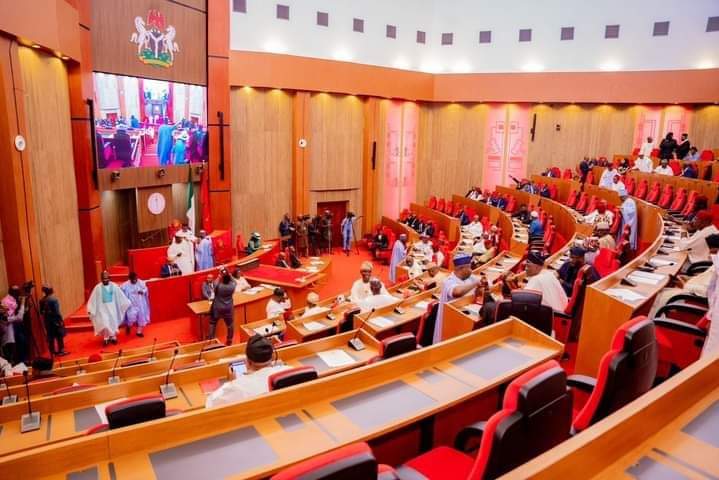
As the Senate reconvenes after a two-month recess, it is focusing on the 2025 budget. The Director-General of the Budget Office, Tanimu Yakubu, emphasized that security, economic growth, and citizen empowerment will be key priorities. However, Nigeria’s budgeting process has historically failed to deliver meaningful improvements, with infrastructure gaps, unreliable electricity, and underfunded public services still widespread.

Challenges such as corruption, inefficient planning, and abandoned projects have undermined budget goals. Delays in budget preparation, late fund releases, and unnecessary political pressures further hamper effective execution. Moreover, the “envelope budgeting system” has been criticized for encouraging unnecessary spending rather than addressing real needs.

To improve the budgeting process, reforms in planning, execution, and legislative oversight are essential. The government must prioritize transparency and efficiency to ensure that the 2025 budget works for the benefit of Nigerian citizens, driving sustainable development and addressing pressing economic challenges.