NLC Condemns Petrol Price Hike, Accuses Government of Betrayal, Issues Seven Demands

The Nigeria Labour Congress (NLC) has strongly condemned the recent increase in petrol prices by the Nigerian National Petroleum Company (NNPC), accusing the federal government of betrayal. NLC President Joe Ajaero expressed deep dissatisfaction, noting that the acceptance of the ₦70,000 minimum wage was based on an understanding that fuel prices would not be raised.

The NNPC recently adjusted the pump price of petrol to ₦855 per litre, a move that the NLC describes as “traumatic and nightmarish,” particularly given that the new minimum wage has yet to be implemented.

Ajaero criticized the Bola Tinubu administration for consistently betraying the Nigerian people, suppressing peaceful protests, and causing widespread hardship. In response, the NLC issued seven demands, including the immediate reversal of the petrol price increase, the release of those detained during recent protests, and the reversal of the 250% hike in electricity tariffs.

The NLC also warned that it would not be intimidated by the government’s actions and hinted at further actions to be taken in the coming days, with decisions to be announced publicly.

Dangote Refinery Begins Petrol Supply as NMDPRA and NNPCL Agree on Naira-Based Crude Sales

The Nigerian Midstream and Downstream Petroleum Regulatory Authority (NMDPRA) and the Nigerian National Petroleum Corporation Limited (NNPCL) have reached an agreement to sell crude oil to the Dangote Refinery in naira. This development marks a significant step as the Dangote Refinery begins supplying petrol to the Nigerian market.

Starting in September 2024, the refinery will supply 25 million litres of petrol daily, with plans to increase this to 30 million litres per day by October 2024. This move follows the Federal Executive Council’s (FEC) recent endorsement of transactions involving the sale of crude oil to the Dangote Refinery and the purchase of petrol products in naira.

Aliko Dangote, CEO of Dangote Refinery, expressed his gratitude to President Bola Tinubu for initiating the naira-based crude oil sales, which is expected to reduce pressure on Nigeria’s foreign exchange market by at least 40%. He emphasized that this initiative will contribute to greater stability for the naira while highlighting the successful commencement of gasoline production at the refinery.

Dangote acknowledged the skepticism surrounding the refinery’s ability to deliver but confirmed that the project has now reached a significant milestone in Nigeria’s energy sector.

President Tinubu Promises Completion of Ibadan-Abuja-Kaduna-Kano Railway During Visit to China

President Bola Tinubu has reassured Nigerians that the Ibadan-Abuja-Kaduna-Kano railway segments will be completed. The President made this declaration on Monday during his visit to the China Railway Construction Corporation (CRCC) in Beijing, China, as part of his official visit to the country.

Tinubu praised CRCC as a reliable partner in Nigeria’s infrastructure development, particularly in railway projects. He emphasized the importance of completing the railway segments to benefit not just Nigeria but the entire West African region.

“We will support your investment in solid minerals and other ventures in Nigeria. I am here to assure you that Nigeria is ready to do business with you,” President Tinubu stated, signaling a commitment to strengthening economic ties with China.

Representing CRCC, Mr. Hegen highlighted the company’s 43-year presence in Nigeria, during which it has successfully executed over 300 projects and trained more than 100,000 local workers. He noted the significant impact of CRCC’s projects, including the Abuja-Kaduna Railway and Lagos-Ibadan Railway, which have transported millions of passengers and large volumes of cargo across Nigeria.

PDP Governors Condemn Wike’s “Reckless and Unacceptable” Threats

The Peoples Democratic Party Governors’ Forum (PDP-GF) has strongly criticized Nyesom Wike, former Governor of Rivers State and current Minister of the Federal Capital Territory, for making what they describe as “reckless and unacceptable” threats. In a statement released on Tuesday by the forum’s Director General, Emmanuel Agbo, the governors expressed their disapproval of Wike’s recent remarks, which they believe threaten the unity and peaceful coexistence within the party.

The statement, issued under the leadership of Bauchi State Governor, Senator Bala Abdulkarim Mohamed, highlighted the forum’s concern over Wike’s inflammatory comments directed at member-governors. The governors emphasized that Wike’s threats undermine the collaborative spirit necessary for maintaining order and unity within the party.

The forum also noted the irony of Wike’s behavior, given that he had previously benefited from the solidarity and support of the PDP Governors’ Forum during his tenure as governor. They reaffirmed their commitment to supporting Governor Siminalayi Fubara of Rivers State and ensuring that he receives all the privileges due to him as a PDP-elected governor.

The PDP Governors’ Forum stressed that their stance is not personal, but rather a reflection of their dedication to upholding party unity and preventing distractions that could affect the governance of Rivers State. The forum also reiterated its commitment to working with the PDP’s National Working Committee (NWC) to maintain stability within the party.

Defence Minister and CDS Arrive in Sokoto to Lead Offensive Against Bandits

Minister of State for Defence, Bello Matawalle, and Chief of Defence Staff, General Christopher Musa, arrived in Sokoto State on Tuesday as part of efforts to combat banditry in the region. This move follows a directive from President Bola Tinubu.

Upon arrival, the minister and CDS held a closed-door meeting at the 8th Division of the Nigerian Army. During the meeting, the acting Commander of Operation Hadarin Daji briefed them on the security situation in the area.

In a press interview, Matawalle stated that their mission was to eliminate the bandits terrorizing the region. He emphasized that President Tinubu, who is currently in China, had ordered them to relocate to Sokoto to oversee military operations and ensure the safety of the people in the area.

Matawalle highlighted the President’s concern about the ongoing violence in the Northwest, explaining that the President had appointed key officials from the region, including himself and General Musa, to address the issue. The Minister urged soldiers to remain committed to their mission and assured them of continued support in the fight against banditry.

In a gesture of support, Matawalle donated ₦5 million to soldiers injured in action.

Why You Might Want to Rethink Eating Too Much Watermelon

Watermelon is a popular fruit known for its hydrating properties and health benefits. With over 90% water content and essential nutrients like vitamins A and C, it’s often considered a great snack for overall health. However, there are some important considerations to keep in mind, especially if you have certain health conditions.

Health Benefits of Watermelon

Watermelon is packed with antioxidants like lycopene, which may help reduce the risk of heart disease and certain cancers. Its natural sugars and fiber content make it a refreshing, low-calorie option that aids digestion and helps you feel full.

Potential Concerns

Despite its benefits, watermelon is not without potential drawbacks. Recent studies published in Annals of Internal Medicine have highlighted that people with kidney issues should be cautious about consuming too much watermelon. This is because watermelon contains a significant amount of potassium.

For healthy individuals, the potassium in watermelon is typically not a concern. However, for those with chronic kidney disease (CKD), the situation is different. CKD impairs the kidneys’ ability to filter blood and remove waste, leading to potential complications from excessive potassium intake, such as hyperkalemia. Sadly, many people with CKD are unaware of their condition until it reaches advanced stages.

The Takeaway

If you have CKD or are at risk, it’s wise to moderate your watermelon consumption to avoid excessive potassium intake. While watermelon can be part of a balanced diet, being mindful of portion sizes and understanding your health needs are crucial for maintaining overall well-being.

Why a Hot Bath Could Be Your Best Wellness Move This Week

Despite the sweltering heat, taking a hot bath can offer a surprising array of health benefits that go beyond just cooling down. Here’s why you might want to consider indulging in a hot bath this week:

  1. Deep Cleansing
    A hot bath helps open up your skin’s pores, allowing for a deeper cleanse. This can be especially refreshing on a hot day when sweat and grime can clog pores. The heat helps remove impurities and reduces bacteria on your skin, potentially alleviating issues like blackheads, acne, and rashes.
  2. Muscle Relaxation
    Even when temperatures soar, the soothing effects of a hot bath can be incredibly relaxing. The warmth helps ease muscle tension, reduce soreness, and alleviate body aches. It’s a great way to relieve stress and improve your overall sense of well-being.
  3. Improved Blood Circulation
    Hot baths promote better blood circulation and oxygen flow throughout your body. This can enhance organ function, aid in faster wound healing, and reduce swelling. For those who suffer from occasional headaches or migraines, a hot bath can provide significant relief.
  4. Enhanced Sleep Quality
    A warm bath before bed can help you unwind, making it easier to fall asleep and enjoy a restful night. The relaxation and stress reduction associated with hot baths can contribute to better sleep quality.

Dangote Addresses Petrol Pricing as Refinery Begins Production

Aliko Dangote, Chairman of Dangote Industries and owner of Dangote Refinery, has announced that petrol from his refinery will be available in the market within the next 48 hours. Speaking at the refinery in Ibeju-Lekki, Lagos State, Dangote shared details about the forthcoming availability and pricing of the fuel.

Key Points:

  • Petrol Availability:
  • Timeline: Dangote indicated that petrol from the new refinery could be on filling station shelves within 48 hours, contingent on the Nigerian National Petroleum Company Limited (NNPCL).
  • Production Capacity: The refinery has a capacity of 650,000 barrels per day.
  • Pricing Details:
  • Federal Executive Council: The pricing for petrol will be determined by an arrangement approved by the Federal Executive Council, led by President Bola Ahmed Tinubu.
  • Current Status: Dangote did not specify a price but emphasized that the final pricing will be confirmed once arrangements with NNPC are completed.
  • Quality Assurance:
  • Product Quality: Dangote assured that the petrol and other products from the refinery would match international standards, including those in the US.
  • Engine Performance: He promised that the high-quality petrol would enhance vehicle engine performance and longevity, addressing previous concerns about engine issues from inferior fuel.
  • Refinery Output:
  • Additional Products: The refinery has already started supplying diesel and aviation fuel to marketers and is now expanding to include petrol.
  • Context:
  • Fuel Subsidy Removal: Since the removal of fuel subsidies in May 2023, petrol prices in Nigeria have surged from under ₦200/litre to approximately ₦800/litre, with current prices around ₦1,000/litre in many cities. The increase has been attributed to a debt owed to importers, according to NNPC.

Conclusion:

Dangote’s new refinery marks a significant development in Nigeria’s fuel sector, promising to provide high-quality petrol and potentially stabilize fuel prices. As the refinery ramps up production, the industry awaits final pricing details and broader impacts on the market.

Experts Advocate for Establishment of National Health Bank to Enhance Healthcare Funding

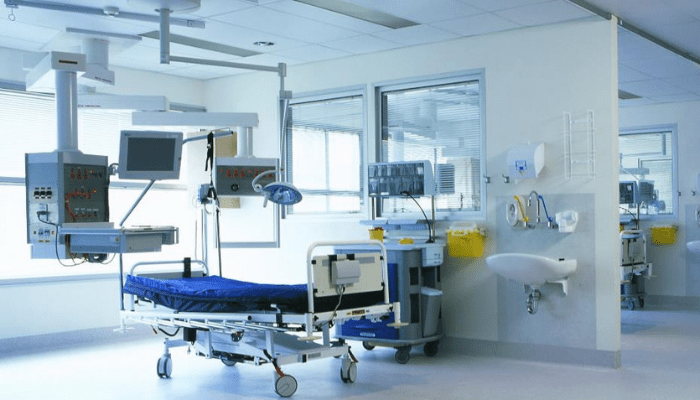
Healthcare providers in Nigeria are calling for the creation of a national health bank to address funding gaps in the sector and improve access to advanced medical equipment.

Proposal Overview:

  • Objective: The proposed health bank aims to serve as a dedicated financial institution to support the healthcare sector by providing low-interest loans and grants for infrastructure development, equipment purchases, and research.
  • Model: Similar to the Bank of Industry, the health bank would be managed by an independent body, separate from the Federal Ministry of Health, to avoid bureaucratic delays and enhance efficiency.

Background and Justifications:

  • Current Challenges: The Nigerian healthcare system faces chronic funding shortages, affecting the quality of care and accessibility. This has been compounded by economic challenges, such as the need for self-generated power and fuel, which add to operational costs.
  • Advocacy: The Nigeria Medical Association (NMA) and other healthcare experts have long advocated for the establishment of a health bank. They argue that such an institution would help reduce medical tourism, enhance the quality of local healthcare facilities, and improve overall healthcare delivery.

Potential Benefits:

  • Funding Support: The health bank would offer single-digit interest loans to private healthcare providers, facilitating the establishment of world-class facilities and supporting ongoing healthcare projects.
  • Sustainability: By providing predictable and sustainable funding, the health bank would ensure that financial support is tied to specific health outcomes and national goals.
  • Public-Private Partnerships: The bank could foster partnerships between public and private sectors, driving innovation and improving healthcare delivery in underserved regions.

Expert Opinions:

  • Dr. Babatunde Rosiji: Medical Director at the State Specialist Hospital, Ikole, emphasized that a health bank would alleviate financial burdens on private healthcare providers and address gaps in the public healthcare system. He called for the health bank to be managed by a distinct, independent body to avoid bureaucratic delays.
  • Dr. Lolu Ojo: Consultant Pharmacist and Managing Director of Merit Healthcare Limited, supported the idea, highlighting that a health bank could reduce healthcare costs and improve sector dynamics. He stressed the importance of professional management and diverse funding sources.
  • Eze Onyekpere: Lead Director at the Centre for Social Justice, advocated for the establishment of the health bank during a workshop on innovative healthcare funding, supported by the USAID.

Funding and Management:

  • Sources: Funding could come from a mix of government allocations, private investments, and philanthropic contributions. The health bank should adopt a basket funding approach to ensure sustainability.
  • Management: An independent body, including representatives from professional associations and health financing experts, should oversee the bank to ensure it meets the sector’s needs effectively.

Conclusion:

The establishment of a national health bank is seen as a crucial step towards improving Nigeria’s healthcare system by providing necessary financial support and fostering a more robust and accessible healthcare infrastructure. The initiative aims to address long-standing funding issues and enhance the overall quality of healthcare services in the country.

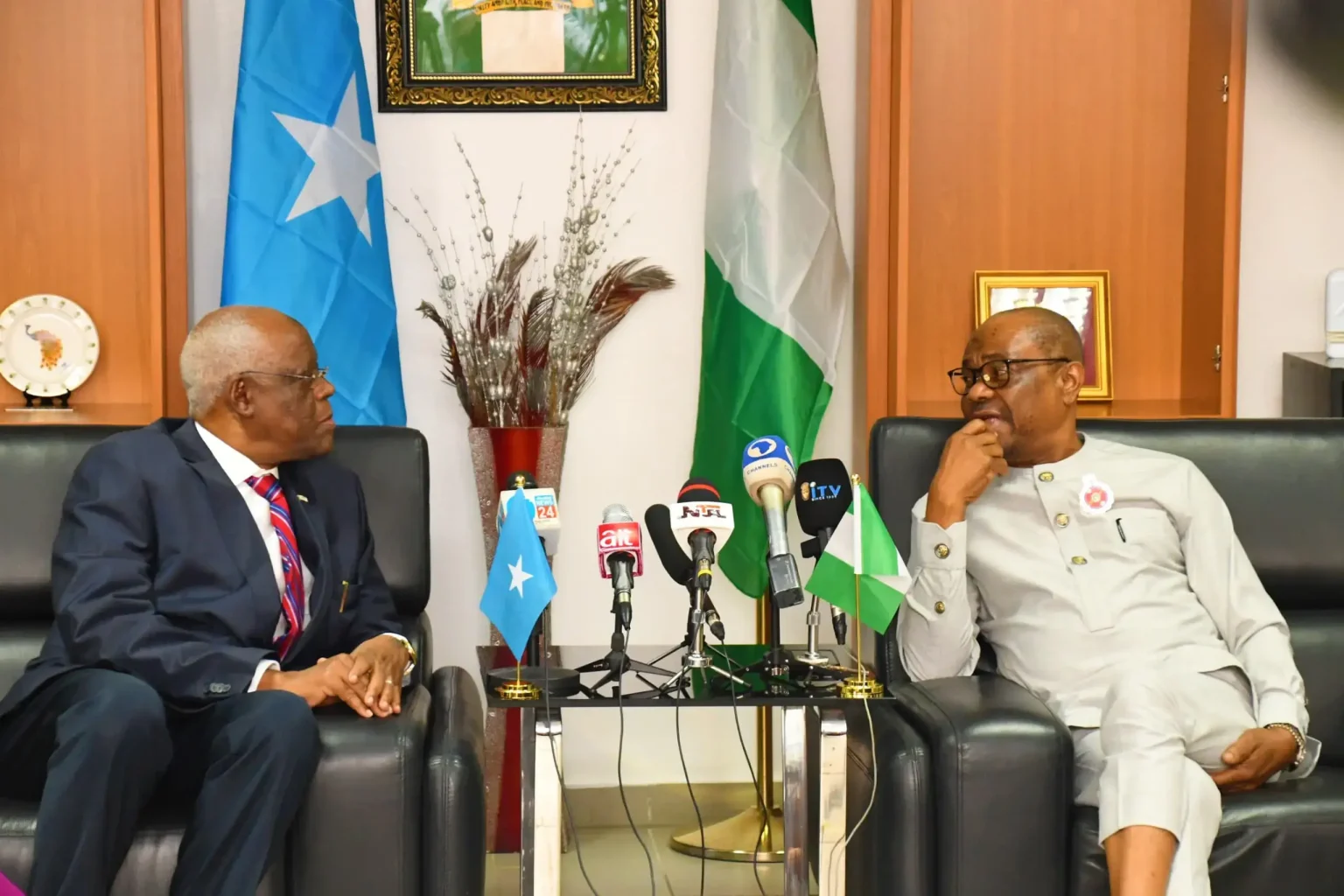
Somalia’s Ambassador to Nigeria Advocates for Enhanced Collaboration

Somalia’s Ambassador to Nigeria, Jamal Mohammed, has emphasized that Nigeria holds the key to addressing many of Somalia’s needs.

During a recent visit by international data protection experts from Somalia, Mohammed highlighted Nigeria’s extensive knowledge and resources that could significantly benefit Somalia. The visit was part of a study tour aimed at understanding Nigeria’s data protection mechanisms.

Key Points:

  • Data Protection Insight: The group was welcomed by Dr. Vincent Olatunji, National Commissioner and Chief Executive Officer of the Nigeria Data Protection Commission (NDPC). Olatunji stressed the importance of data privacy in the digital age, underscoring that protecting citizens’ privacy is a global priority and is enshrined in Nigeria’s 1999 constitution.
  • Collaborative Opportunities: Mohammed expressed his appreciation for Nigeria’s data protection system and its potential benefits for Somalia. He encouraged Somalians to recognize the opportunities in Nigeria and to consider collaboration between the two countries.
  • Addressing Challenges: Mohammed also spoke about his efforts to overcome perceptions of Somalia among Nigerians and vice versa. He urged both Somalians and Nigerians to view each other’s countries as valuable partners, acknowledging that there are many opportunities for mutual benefit.

Mohammed concluded, “In my time here, I have realized that everything Somalia needs, in terms of knowledge and experience, can be found in Nigeria. I encourage both countries to explore these opportunities and work together more closely.”