VP Shettima Optimistic about Tinubu-Led Reforms Securing Nigeria’s Future

Vice President Kashim Shettima has expressed confidence that the ongoing reforms under the leadership of President Bola Tinubu will pave the way for a prosperous future for Nigeria. The initiative, highlighted by the News Agency of Nigeria (NAN), aims to tap into a portion of the global Business Processing Outsourcing (BPO) Market, valued at $8.79 trillion.

Describing President Tinubu as a visionary and refined economic strategist, Shettima acknowledged his firm grasp of the challenges facing Nigeria within the global landscape. He assured Nigerians that Tinubu’s resilience and foresight would be instrumental in steering the nation towards economic prosperity.

While acknowledging that the economic decisions made by the administration may pose short-term challenges, Shettima emphasized their strategic nature in strengthening the country’s economic foundation. He urged Nigerians to be patient, assuring them that the reforms in progress would weather challenges and lead to a future of economic gratitude.

Shettima expressed confidence in the Outsource to Nigeria Initiative (OTNI), stating that it would transform the country’s economic fortunes, generating millions of job opportunities and fostering unprecedented growth in the Business Process Outsourcing (BPO) and Information Technology-enabled services sector. He highlighted the initiative’s role in linking global firms with Nigeria’s abundant talents and skills.

The Vice President sees outsourcing as a strategy to counteract brain drain, channeling talents and skills into rebuilding a more functional Nigeria. Shettima emphasized that OTNI signifies a collaborative effort between the public and private sectors, aiming to showcase Nigeria as the preferred outsourcing destination, connecting Nigerian youths to global job opportunities and attracting investments.

Governor Inuwa Yahaya of Gombe noted the significance of launching the initiative in the state, attributing it to the region’s potential and strides in fostering a conducive environment for technology innovation and economic growth. The Founder/CEO of OTNI, Amal Hassan, highlighted Nigeria’s high potential in the African BPO industry, emphasizing the initiative’s goal to showcase the country as a preferred outsourcing destination and connect Nigerian youths to global opportunities.

Minister of Women Affairs Establishes Integrity Brigade to Monitor NGO Operations

Uju Kennedy-Ohanenye, the Minister of Women Affairs, has announced the creation of an Integrity Brigade to oversee the activities of non-governmental organizations (NGOs). This initiative was disclosed during a press briefing following a solidarity walk with women groups as part of the 2024 International Women’s Day celebrations in Abuja.

The Federal Government is set to introduce a $100 million World Bank-funded project for women in Nigeria, including the “Nigeria for Women” project and the “P-BAT Cares for Nigerian Women” project led by President Bola Tinubu (P-BAT). These programs aim to economically empower women across the country, enhancing their productivity in various capacities.

Kennedy-Ohanenye emphasized the importance of the Integrity Brigade in addressing challenges and ensuring the effectiveness of intervention programs. She urged media professionals, alongside royal fathers and religious leaders, to actively participate in this initiative, emphasizing the crucial role of the media in achieving the goals for the country.

Expressing concerns about the misappropriation of funds intended for vulnerable groups, the minister called for media involvement in the Integrity Brigade to combat corruption and misuse of resources. She emphasized the need to prevent counterproductive protests among women and encouraged NGOs to disseminate information responsibly.

In conclusion, Kennedy-Ohanenye called on the media to closely monitor projects and programs to ensure they reach their intended beneficiaries. She highlighted the government’s commitment to sustainability and women’s empowerment. Ene Obi, a former Country Director of ActionAid Nigeria, representing women in the media, echoed the media’s dedication to supporting initiatives beneficial to women.

CSO Warns Against Against Plans to Blackmail IGP

Following series of coordinated media attacks on the person and office of the Inspector General of Police, Mr. Kayode Egbetokun, Rising-Up for a United Nigeria (RUN), a front line Civil Society Organisation (CSO) has warned those behind the attacks to desist forthwith.

RUN which prides itself as the bastion of good governance and public accountability revealed that desperate elements bent on sabotaging national security have ganged up to link the impeccable personality of Mr. Kayode Egbetokun to one IBD Dende, an alleged smuggler in order to blackmail and implicate the IGP.

In a press release signed and made available to journalists in Abuja over the weekend by its National Convener, Amb. Solomon Adodo, the group described as criminal and unpatriotic, attempts to drag the IGP in the mud and tarnish his hard earned professional reputation with the hope of ousting him out of office.

According to the release, “we have read with outmost dismay, attempts by some callous elements who are opposed to the gains of the renewed hope agenda especially in the area of national security to use the media and make a hullabaloo about a harmless picture in which the IGP is obliviously seen with the said IDP Dende at a public event.

“The unsubstantiated lies that Mr. Egbetokun is providing cover for the alleged smuggling kingpin is nothing but a figment of imagination of those whose stock in trade is blackmail. The Nigerian Police Force (NPF) does not protect Nigerian borders and cannot therefore provide cover for any criminal operating across the border.

“Mr. Kayode Egbetokun is a disciplined and highly professional officer who has sanitised the NPF since assumption of office. The proactive manner in which he has tackled crimes, including kidnapping, terrorism, banditry and cattle rustling should be commended instead of these coordinated attacks”.

The CSO urged the IGP to resist all forms of distractions and continue his dogged and determined fight of making Nigeria safe as Nigerians are too knowledgeable to allow miscreants to diminish his towering efforts.

“There is a consensus amongst Nigerians that this is the best IGP in the history of Nigeria. The reduction in crime rate as well as the professionalism in the NPF are his direct efforts. It is no longer news that those fighting him are those he put out of business and we are solidly behind him as he roars to eliminate crime in the country. He cannot be swayed by naysayers”, the statement added.

While calling on Mr. President to disregard those they described as saboteurs seeking to ruin his administration, the group predicted that very soon, these merchants of mischief will start calling for the sack of the IGP to allow room for a misfit who will allow them to perpetrate their nefarious acts.

“Mr. President, we have absolute confidence in your leadership. Do not allow mercenaries to exploit your anti-corruption stance by attacking and condemning your appointees who are standing in their way. This is a trap and you must not fall into it.

“Predictably, these charlatans will in subsequent days bombard the media with calls for the sack of the IGP. Please, do not listen to them because they are not fighting against any wrong doing but merely trying to remove the fine gentleman who is a stumbling block to their criminal syndicates. Do not let them win and in turn jeopardise the gains recorded so far in the fight against crime”, the statement concluded.

Alleged 3bn Racketeering: Jackson Ude Towing Familiar Paths Of Serial Blackmailing- CSOs reacts

The Civil Society Groups for Good Governance (CSGGG) and Integrity Advocacy for Development Initiative (IADI), has reacted to reports emanating from the twitter handle of controversial journalist, Jackson Ude, where he alleged that the Director General of the National Emergency Management Agency (NEMA), looted 3 billion naira via contract racketeering in one month.

Reacting to this allegation during a press briefing, at the weekend in Abuja, the coalition led by Comrade Ogakwu Dominic, and Chris Ofomhi, described the allegations as another attempt on blackmail, campaign of calumny.

While providing detailed explanation to the issue, they said one had to have a deeper understanding of how NEMA operates, adding that “NEMA is an interventionist organization whose major mandate is to address issues that require urgent and prompt responses and in doing so, the agency most times carries out emergency procurement in line with the stipulations of the Public Procurement Act 2007 and other extant regulations.”

They, however, said the DG should be commended for initiatives he had brought to reshape the agency.

They said: “The allegations that the DG of NEMA looted over N3 billion between January and February is baseless, unfounded, malicious and highly misleading.

“Mustapha Habib Ahmed’s tenure as the Director General of the National Emergency Management Agency (NEMA), has been a tenure marked by a series of commendable achievements, commitment, leadership showmanship, dedication, strategic and sterling vision in handling emergency response and disaster management in Nigeria.

“Overtime, he has played a pivotal role in raising public awareness about disaster preparedness and mitigation whilst through commitment to innovation and collaboration, positioned NEMA as a key player in disaster management not only within Nigeria but on the global stage.

“The DG deserves much better than to be placed on twitter if not a social media grill. Under his leadership, the Agency developed solutions to emerging challenges that will enable performance of its functions in line with international humanitarian standards.

“In a world where integrity and sincerity can, at times, be scarce, it is crucial to note that the expository in question lacked detailed facts and credibility, as it heavily relied on hearsay and not absolute fact.

“It therefore poses on the readers and digesters of such cancerous reportage to pose crucial questions before accepting false information as infallible truth.”

In a related development, the coalition also frowned at a recent publication on one of the online news outlets on calls to probe NEMA over alleged failure to refund $4.8 minion unspent after Nigerians’ evacuation from Ukraine.

“What is unknown to them is that NEMA actually refunded unspent balance of the approved fund to the tune of $648,600 USD in two batches of $450,300 and $198,300 respectively to the Central Bank of Nigeria (CBN).

“From the above finding, it is obvious that the allegation is frivolous and baseless. Instead of the frivolous allegations, the National Emergency Management Agency deserved to be commended for being diligent in carrying out the national assignment of safely bringing stranded compatriots back home, and also being prudent in the application and expending of the allocated fund for the project”, the coalition said.

Striving to pass down ancient fur ski-making technique

By Khuwanishbek Islanbek

Timber and horsehide are piled high in the yard. Inside my house, steam rises as the iron pot on the fire stove boils water. Wooden planks slowly soften in the hot water, transforming into materials for me to make ancient fur skis.

As an inheritor of the ancient fur ski-making technique, I return to this little house in Lasite township in Altay, Xinjiang Uygur autonomous region once winter arrives, bringing along a few young people from the village to make ancient fur skis for tourists.

My father, Islanbek Shaghish, is an inheritor of this ski-making technique at the autonomous region level. I have been learning to make ancient fur skis from him since I was young.

Back then, my father told me that making ancient fur skis requires great attention to detail. From selecting and making the wooden planks, to soaking and cleaning the horsehide, every single detail requires the craftsman’s full devotion.

In Altay, known as the “origin of human skiing activities,” ancient fur skis were once a must-have means of transportation in winter. As time goes by, fur skiing has now become a competitive sport and tourist activity. In recent years, ancient fur skis have been deeply explored and have become a signature for Altay to promote ice and snow tourism and culture.

As Altay’s ancient fur skis became more and more famous, gradually more people came to visit our house and purchase our skis. My father became increasingly busy. Seeing so many people like our ancient fur skis, I felt very proud. So in 2021, I sold my taxi and came back to inherit this ancient craft.

The ancient fur ski-making technique has been passed down to me for five generations. Under my father’s patient guidance, my mastery of this skill has gradually deepened and I have accumulated some experiences. However, when making fur skis, I still find many inadequacies. I still need to learn how to select the best timber and horsehide, and how to make soft yet sturdy cowhide ropes.

At the 16th Xinjiang Winter Tourism Industry Trade Expo and the first regional winter games, our ancient fur skis were recognized and praised by visitors from all over the world. This greatly encouraged me and motivated me to carry on.

Now, more than just bringing income to my family, I’m striving to pass down this age-old technique. I’ve taught some young people in my village. During the tourism season in winter, we take orders together. A pair can sell for over 1,000 yuan ($138.94), so everyone earns a decent income. Apart from regular-sized skis, we also design and produce palm-sized miniature skis for tourists, which are ornamental and easy to carry.

Moving forward, I will keep studying and making innovations. By combining modern skiing technology elements with ancient fur skis, I will strive to revitalize this ancient craft, allowing the time-honored skiing culture with its historical heritage to radiate with new splendor.

(Khuwanishbek Islanbek is an inheritor of the ancient fur ski-making technique in Altay, Xinjiang Uygur autonomous region. This article was written by People’s Daily journalist Li Ya’nan based on an interview.)

Hong Kong makes new highlights in external interactions

By Jiang Yichu

Since the new administration of the Hong Kong Special Administrative Region (HKSAR) took office in July 2022, a series of new measures have been taken to actively expand external interactions in various fields, injecting strong impetus into the promotion of Hong Kong’s prosperity and strengthening the connectivity between China and the world.

These new measures have created new highlights. Over the past year, Hong Kong’s external interactions have become increasingly active, and international cooperation and communication have been continuously strengthened, revealing new features and advantages.

The HKSAR government has recognized the growth potential and vast opportunities in the ASEAN and Middle East markets, making them a key focus for expanding its external interactions.

Chief executive of the HKSAR John Lee led a high-level delegation to visit ASEAN countries such as Singapore, Indonesia, and Malaysia, as well as Middle East countries including Saudi Arabia and the United Arab Emirates. During the visit, nearly 50 cooperation agreements were signed, promoting collaboration in areas such as finance, trade, talent, and energy.

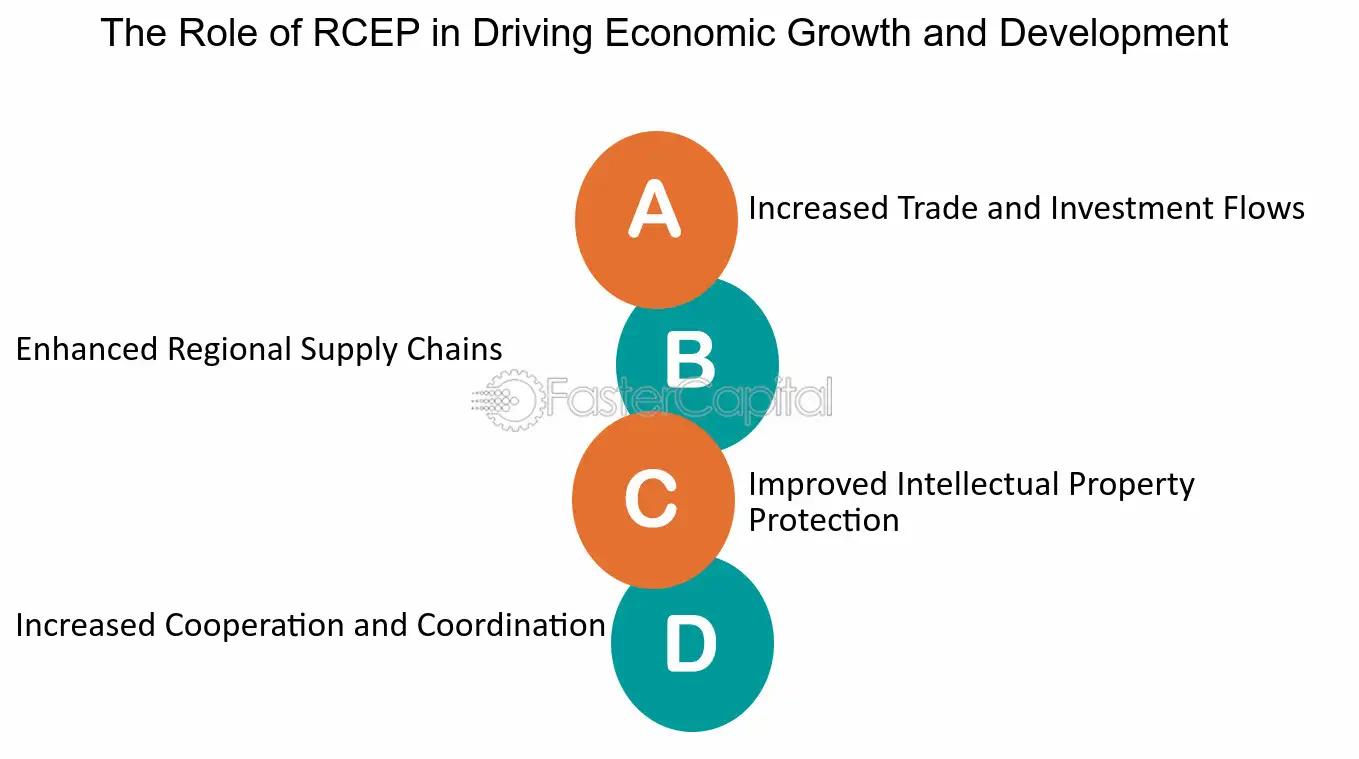
ASEAN countries have expressed clear support for Hong Kong’s accession to the Regional Comprehensive Economic Partnership (RCEP).

The HKSAR has established institutions like the Hong Kong-Middle East Business Chamber and hosted events like the inaugural Asia Future Investment Initiative (FII) PRIORITY Summit. It plans to open more economic and trade offices and consultancy offices in Belt and Road countries in ASEAN and the Middle East, to continuously promote opportunities in Hong Kong and foster mutually beneficial cooperation, thus creating a wave of collaboration.

With advantages in both traditional and emerging sectors, Hong Kong has further expanded its scope of cooperation.

It has continuously consolidated its external interactions in traditional areas of strength such as finance, shipping, and trade. Efforts have also been made to deepen institutional cooperation in financial regulation, international taxation, and shipping.

Hong Kong has updated its free trade agreement (FTA) with ASEAN and pushed for FTA negotiations with countries like Peru. It has concluded investment promotion and protection agreements with Türkiye and other countries, and signed comprehensive avoidance of double taxation agreements with Croatia and others. These efforts aimed to enhance Hong Kong’s international attractiveness and competitiveness.

In 2022, Hong Kong attracted a total of $117.7 billion in inward direct investment, ranking fourth globally. At the same time, it has witnessed rapid development in its international cooperation in emerging fields such as technology innovation, climate change, intellectual property rights, and dispute resolution.

Leveraging its advantages in professional services, Hong Kong has signed memorandums of understanding with multiple countries on cooperation in intellectual property rights and legal services, introducing a number of leading high-tech companies from home and abroad.

The HKSAR has also significantly promoted its policies on attracting professionals, aiming to attract global innovation and technology enterprises as well as outstanding talents to settle in Hong Kong. These efforts have yielded notable results.

In addition, the HKSAR government has actively built platforms for communication and cooperation, attracting people from various sectors around the world.

Hong Kong has hosted international conferences and events such as the Global Financial Leaders’ Investment Summit, Hong Kong’s Belt and Road Summit, and the Asian Financial Forum, which enhanced its international influence. The Preparatory Office of the International Organization for Mediation was inaugurated in Hong Kong.

Moreover, officials of the HKSAR government have proactively participated in conferences such as the Asia-Pacific Economic Cooperation meetings, the Belt and Road Forum for International Cooperation, the World Economic Forum Annual Meeting, and the United Nations Human Rights Council meetings.

The Commissioner of the Independent Commission Against Corruption of the HKSAR has assumed an important position in the International Association of Anti-Corruption Authorities, making Hong Kong’s voice louder in external exchanges and cooperation.

These positive changes indicate that Hong Kong is gradually building a new pattern of high-quality external interactions. Building on its traditional strengths, Hong Kong is expanding its “circle of friends” to include developing countries and emerging economies. Cooperation areas are continuously deepening and expanding, with a stronger momentum.

Hong Kong is also better integrating and aligning with major national initiatives such as the Belt and Road Initiative and the Guangdong-Hong Kong-Macao Greater Bay Area strategy. Under this new pattern, Hong Kong’s external interactions are more balanced and diverse, allowing its advantages and potential to be further utilized. Its resilience is continuously improving, providing greater space and more opportunities to contribute to the overall development of China while maintaining its local prosperity and stability.

With strong support from the central government and the relentless efforts of various sectors in the special administrative region, Hong Kong is emerging on the world stage with a fresh new image.

Looking ahead, as a bridge connecting the Chinese mainland and the world, Hong Kong will achieve new heights in terms of international influence and competitiveness. 12304574

China sees more and more “gigabit cities”

By Wang Junling

Ninety-seven Chinese cities have newly became “gigabit cities” in 2023, meaning they gained the capability to offer gigabit 5G and gigabit optical fiber services, known as “dual gigabit,” said China’s Ministry of Industry and Information Technology (MIIT) recently.

Building gigabit cities is a landmark project of new digital infrastructure development in China. As of the end of October 2023, all households in China’s gigabit cities had been covered by gigabit optical fiber services. On average, there were 21.2 5G base stations per 10,000 people in gigabit cities. The average proportion of 10G-PON ports stood at 53.7 percent. The average proportion of users with speed of 500Mbps or higher reached 33.2 percent, and the average 5G users account for 49.2 percent.

In gigabit cities, over 99.5 percent of public hospitals that rank at the top of China’s three-tier grading system, key universities, cultural and tourist areas, as well as train stations (above second class) offering passenger services, main airports, and key roads were covered by 5G network, the MIIT said, adding that the accessibility rate stood at 100 percent in 91 of these cities.

Gigabit cities have vigorously promoted the innovation and application of gigabit 5G and optical fiber technologies, and actively explored the deployment and construction plans as well as business models for the coordinated development of “dual gigabit.”. This has enabled various industries to improve productivity and efficiency.

For example, in Zhuzhou, central China’s Hunan province, the efficiency of topcoat painting quality inspection has been improved by 30 percent thanks to the application of 5G+ smart factories. Shijiazhuang in north China’s Hebei province has leveraged “dual gigabit” networks to build intelligent hospitals, leading to a 50 percent improvement in the efficiency of X-ray image processing. In Ziyang, southwest China’s Sichuan province, technologies such as 5G, Internet of Things, big data, and cloud computing have been utilized to enhance the Internet plus government services.

How the list of gigabit cities in China is getting longer and longer? According to an official with the MIIT, those new gigabit cities continuously increased policy support to encourage various market entities to actively participate in the construction of gigabit cities. Efforts have been made to address the bottlenecks, difficulties, and pain points in the construction and application of “dual gigabit” networks.

For instance, some gigabit cities have strengthened policy support by incorporating fiber optic network construction and 5G site planning into the same-level national land and spatial planning. Baoji in northwest China’s Shaanxi province and Lhasa, capital of Xizang autonomous region have introduced relevant policies to support the development of “dual gigabit.” Zhongshan in south China’s Guangdong province and Danzhou in south China’s Hainan province have included fiber optic network construction plans in the same-level national land and spatial information platform.

In addition, in terms of reducing the construction costs of “dual gigabit”, some gigabit cities have exempted or reduced rental fees for occupying public places to construct fiber optic networks, 5G base stations and other communication infrastructure.

Harbin in northeast China’s Heilongjiang province has opened up tourist attractions, parks, green spaces, street lamps and other public facilities for free 5G base station construction. Zhumadian in central China’s Henan province, Anshan in northeast China’s Liaoning province and some other places have promoted unconditional free opening of facilities owned by government agencies, public institutions, as well as public places like airports, train stations, high-speed rail stations, etc. for 5G base station construction.

The MIIT said it will leverage the exemplary and leading role of gigabit cities, strengthen exchanges of typical experiences, promote a pattern where key cities take the lead and other cities develop simultaneously, and foster a favorable environment for development.

Litang in SW China’s Sichuan province finds secrets to tourism

By Li Kaixuan, People’s Daily

Litang county is located in the southwestern part of the Garze Tibetan autonomous prefecture, southwest China’s Sichuan province. Situated on a plateau with an average elevation of over 4,000 meters, it is known as the “City in the Sky.” With snow-capped mountains and picturesque grasslands, the scenery there is breathtaking.

Thanks to the internet and the growing popularity of cultural tourism, Litang has become a popular destination in recent years, attracting more and more visitors. In 2023, the county received 3.19 million tourists and generated a total tourism revenue of 3.92 billion yuan ($545 million), representing a year-on-year growth of 66.7 percent.

The Genyen scenic area, which features a 6,204-meter snow-covered peak that always shines brightly under the sunlight, is to the southwest of Litang county across a grassland.

“There are hot springs here,” said a tourist surnamed Chen, seeing the gentle flow of a stream in Rangrikar village at the foot of the Genyen Mountain. He took off his shoes and stepped into the water.

Chen had driven all the way from Shenzhen, south China’s Guangdong province, and had already stayed in Litang for half a month. There were quite a few tourists living in the village, and Chen said that leaving behind the hustle and bustle of the city and immersing himself in the nature allowed his soul to rest.

Letong ancient town, a folk culture scenic area, was established in Litang in 2018, with a total investment of nearly 80 million yuan. Tourists can explore ancient landmarks, enjoy traditional opera performances, and wander through mini museums in the town, where around 4,000 local households live.

Horse racing has a long history in Litang, where a grand horse racing festival is held annually in the sixth month of the Tibetan calendar. This event has been hosted for over 400 years and gradually evolved into the Litang Horse Racing Festival that falls on Aug. 1 each year.

During the festival, people dress up in their finest attire, prepare delicious food and drinks, and gather on the grassland to enjoy equestrian performances.

However, as the times have changed, the younger generation has been embraced by more and more modern cultural activities, resulting in a decline in the number of horse racing enthusiasts and inheritors of equestrian performances.

In response to this, the Litang Horse Racing Festival encourages tourists to engage in horse riding activities, stages song and dance performances, and holds food exhibitions. In addition, it has collaborated with small-scale horse racing events in towns and villages to build unique tourism routes, further promoting the development of the horse breeding and racing industry.

After setting up his phone, Dawa, who was born in the 2000s, started livestreaming and introduced the essentials of horse riding.

Dawa returned to his hometown and became a streamer after graduating from university in 2023. Now he has around 40,000 followers on short video platforms. In Litang, almost every village has such young individuals.

To preserve culture and make it bloom, remote small towns have to actively innovate amidst the collision of diverse cultures. Young people in Litang have brought traditional skills such as equestrianism, traditional opera, and textile craftsmanship to online spaces. From natural landscapes to folk customs, Litang maintains a high level of popularity on short video platforms throughout the year. The popularity of short video has been on the rise, which has opened a new cultural window for Litang, nurturing over 30 online streamers each with more than 10,000 followers.

After a video featuring Tenzing Tsondu, a young man from Litang, went viral on the internet in November 2020, a short video showcasing charm of Litang received over 700 million views within 72 hours of its release, and the online search volume for “Litang” surged by 620 percent.

The online popularity translated into a boost for tourism. During China’s National Day holiday in 2021, tourism revenue of Litang increased by 72.4 percent year on year. Throughout the year, the county received more than 1.6 million tourists, generating tourism revenue of 3.98 billion yuan.

According to Gerong, director of the Litang tourism bureau, the comprehensive tourism revenue of Litang accounted for 26 percent of the county’s GDP in 2022.

“To achieve long-lasting success, we need to take solid steps,” said Gerong. The cultural and tourism industry has a wide range of implications, and the county has organized various departments to discuss the development path in depth.

Services have become more professional. The number of hotels in the county continues to increase and has exceeded 450. Local training programs have been implemented to enhance the skills of employees, and a cultural and tourism “think tank” has been established. The number of B&B hotels in the county has exceeded 100.

Supporting facilities have been improved. Approximately 300 million yuan has been invested in tourism infrastructure construction, aiming to transform Litang into a provincial-level comprehensive tourism demonstration zone. In 2022, a cultural and tourism big data center was established to digitize and consolidate tourism resources, making the county smarter.

The rise of internet-famous cities is a manifestation of the vitality of cultural economy. Yan Lijiao, vice dean of the Zhejiang University Tourism and Leisure Institute, believes that the long-lasting popularity of these cities relies on continuous innovation.

By adopting a holistic approach to the entire industrial chain, cities can create unique features in various aspects such as food, accommodation, transportation, shopping, and entertainment, she said, adding that by focusing on their strengths and expanding their advantages, these cities can showcase a variety of highlights that attract visitors.

Today, unique products like yak milk and butter are transformed into creative cosmetics, while new activities such as trip shooting in ancient towns, horse riding tours, and stargazing camping gain popularity. In Litang, the cultural and tourism industrial chain continues to extend, generating new momentum for development.

Spring Festival consumption demonstrates resilience, vitality of Chinese economy

By He Yin, People’s Daily

During this year’s Spring Festival holiday, there has been a significant increase in cross-regional personnel movement across China, and the consumer market was full of vitality. This has presented the resilience and vitality of the Chinese economy to the international society.

Hundreds of millions of people took trains, planes, and other means of transportation to reunite with their families and friends, and it reflected the dynamism of the Chinese economy.

It is believed that the Spring Festival travel rush reflected the vitality of China’s economic development, and the growing consumer demand brought about by the large-scale movement of the people has injected strong momentum into a good start for the Chinese economy this year.

The Spring Festival, or Chinese Lunar New Year, is one of the most important traditional festivals in China and serves as a key indicator of consumption. During the Spring Festival holiday this year, both domestic tourism and total expenditure in China have seen significant year-on-year increases.

The national box office and number of moviegoers have set new records for the same period. The average daily sales revenue in service consumption-related industries across the country has grown by 52.3 percent compared to the previous year.

This showcases a dynamic China to the world, bolstering international confidence in the country’s economic growth.

The international community has been closely following China’s consumption data during the Spring Festival, with many noting that tourism and consumption during the holiday this year have exceeded pre-pandemic levels, further indicating an improvement in consumption in the world’s second-largest economy. Some said that the surge in consumer spending and travel during the holiday gave a boost to the Chinese economy.

The just-concluded Spring Festival holiday also mirrored China’s open cooperation with other countries.

Freight trains were running between China and Europe and between China and Laos, while bustling large ports operated 24/7 during the holiday. Enterprises were working at full capacity to produce foreign trade orders, and over 1,800 cross-border e-commerce overseas warehouses spread across more than 220 countries and regions,

As China implemented a visa-free policy for a larger circle of friends, inbound and outbound tourism has been on the rise. During the Spring Festival holiday, China’s border inspection agencies nationwide saw nearly 13.52 million entries and exits by Chinese and foreign nationals, with an average of 1.69 million per day, a 2.8-fold increase compared to the same period in 2023.

The two-way flow of Chinese and foreign tourists during the Spring Festival holiday has led to a peak in global tourism consumption, which serves as a vivid example of China’s win-win cooperation with other countries.

An article on the website of the AsianTraveler magazine said that the strong recovery of the Chinese tourism data during the Spring Festival holiday not only reflected the resilience of the tourism industry but also demonstrated the strategic measures implemented by the Chinese government.

As the Spring Festival spread joy and harmony to the world, the Chinese economy also brought hope and warmth. Against the multiple uncertainties in the global economy, China’s GDP grew by 5.2 percent year-on-year in 2023, demonstrating a stable and positive trend.

Recently, several global financial institutions have released economic outlook reports for 2024, all of which believe that the foundation for China’s economic stabilization and recovery has been further consolidated. They expected that continuous internal driving forces, such as technological innovation and industrial transformation, would be unleashed.

Singaporean President Tharman Shanmugaratnam recently pointed out that despite challenges, China’s fundamental strength is beyond doubt and continues to grow and consolidate. He believed that China possesses a robust manufacturing system and export competitiveness, as well as a wealth of talent including engineers, scientists, and skilled labor forces. These factors are considered China’s significant advantages, he added.

The vibrant Spring Festival economy has set a positive tone for China’s economy in the new year. China will comprehensively implement the new development philosophy, accelerate the building of a new development pattern, promote high-quality development, and consolidate and enhance the positive momentum of economic recovery.

As pointed out by Spanish market analyst and columnist Julio Ceballos, as long as China persists in deepening reforms, continuously expanding opening up, better leveraging its advantages in education and technological innovation, and fully tapping into the potential of the domestic market, the Chinese economy will have strong confidence in its development.

Xiamen a vivid example of beautiful China

By People’s Daily

The clear waters and green shores of the Yundang Lake, the white egrets playing in Xiatanwei Coastal Wetland, and the azure sky above the Wuyuan Bay…These ecological masterpieces in Xiamen, southeast China’s Fujian province serve as a vivid portrayal of the coordinated development of ecology and economy, as well as the harmonious coexistence between man and nature.

Xiamen is a key birthplace and early adopter of Xi Jinping Thought on Ecological Civilization. In March 1988, seeing the polluted Yundang Lake where almost no trace of aquatic animals could be found, Xi Jinping, who then served as a member of the Standing Committee of the Communist Party of China Xiamen Municipal Committee and vice mayor of Xiamen, put forward the request to carry out a plan that detailed legal governance, stopping pollution, dredging work, revitalization of the body of water and improvement of the surrounding environment.

After five phases of large-scale treatment, the once “stinky lake” has been transformed into a “green lung” of the city. Starting with the comprehensive treatment of the Yundang Lake, Xiamen has actively promoted ecological protection and restoration of sea, river basins, and the entire region for over 30 years.

It has explored a path to ecological civilization that well coordinates high-quality development and ecological protection, and promotes the harmonious coexistence between man and the sea, which shapes a beautiful ecological environment, promotes high-quality development, and improves the quality of life. This mirrors the positive progress made by Xiamen in development philosophy and approach, and serves as a vivid example of advancing ecological civilization.

A sound eco-environment is the fairest public product and the most inclusive public benefit. From carrying out beach restoration projects to keep the most beautiful beaches for the people, to constructing marine and wetland parks, beautiful shorelines, and recreational trails around lakes and bays, and to exploring an ecological management model of co-construction, co-governance and co-sharing to benefit the people with a sound ecology, Xiamen has consistently prioritized addressing the most pressing environmental concerns that directly impact and are of utmost importance to the public, so as to better practice the notion that “Every person is a protector, contributor, and beneficiary of the environment,” and fully motivate the initiative and creativity of the people.

Over the past 30 years, Xiamen has been committed to building a community of life that incorporates mountains, rivers, forests, farmlands, lakes, grasslands and deserts. The city has take a law-based, science-based, holistic and coordinated approach to governance and tried to resolve root causes of problems in environmental protection.

This has led to continuous improvement in the modernization of ecological environment governance, achieving a positive interaction between high-level ecological protection and high-quality development. Xiamen has successfully embarked on a path of high-quality development that prioritizes environmental optimization for growth and uses development to enhance the environment.

Respecting nature, adapting to nature and protecting nature to promote harmonious coexistence between man and nature is a distinctive feature of Chinese modernization. Currently, China’s economic and social development has entered a stage of accelerated green and low-carbon development, and it is an important period for building a beautiful China.

China is planning and promoting ecological and environmental protection, continuously enhancing the potential and momentum of high-quality development, and promoting harmonious coexistence between man and nature with a higher perspective, broader vision, and greater efforts. It is striving to build a beautiful homeland with blue skies, green landscapes, and clean waters, and to compose a magnificent chapter of Chinese modernization.