Stakeholders Urge Tax Relief to Address Rising Ultrasound Scan Costs in Nigeria

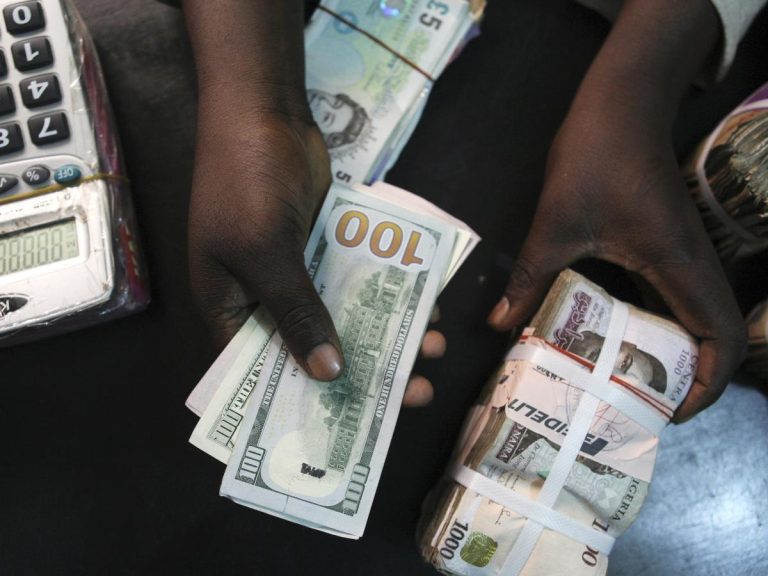
As the costs of ultrasound scans soar due to economic pressures, health stakeholders are calling for the Nigerian government to implement tax relief on imported medical equipment. This plea comes amidst concerns that rising prices, largely influenced by the devaluation of the naira, could limit access to essential diagnostic evaluations, particularly for pregnant women.

Currently, the price for a pregnancy scan stands at approximately N15,000, but experts warn this figure could escalate significantly by year-end, thereby restricting access for low-income expectant mothers. This concern was voiced during the 12th Annual Conference of the Association of Medical Ultrasound Practitioners of Nigeria, themed “Standard Obstetrics and Gynaecological Ultrasound Protocol.”

Government Initiatives and Gaps

Earlier this year, Professor Muhammad Pate, the Coordinating Minister of Health and Social Welfare, announced an executive order to remove Value-Added Tax (VAT) and excise duties on pharmaceutical products and medical devices. However, this order did not extend to medical equipment, leaving stakeholders feeling underserved.

Dr. Olabode Adewunmi, President of the Association of Medical Ultrasound Practitioners of Nigeria, emphasized that government support in subsidizing medical equipment is crucial. He argued that improving access to state-of-the-art equipment and qualified personnel would enhance diagnostic accuracy, ultimately improving health outcomes.

Diagnosis and Patient Safety

The impact of accurate diagnoses on patient safety cannot be overstated. Dr. Adewunmi shared a troubling case of a misdiagnosed patient whose condition worsened due to inadequate diagnostic practices. He urged that an emphasis on correct diagnosis through improved ultrasound protocols is essential in reducing morbidity and mortality rates.

Challenges in the Healthcare Sector

Professor Oladapo Ashiru, a renowned fertility specialist, echoed these sentiments, highlighting the scarcity of trained personnel and the prohibitive costs of ultrasound equipment as significant challenges. He reinforced the call for tax exemptions on ultrasound machines, stating that their rising prices are not sustainable for healthcare providers.

The price of ultrasound scanners has dramatically increased; for instance, a GE ultrasound machine that cost N22 million last year now retails for N48 million. Such inflation in equipment costs inevitably translates to higher service fees for patients, further limiting access to crucial healthcare services.

Recommendations for Improvement

In addition to tax relief, stakeholders advocate for clearer guidelines and protocols for ultrasound practices to improve accuracy and accountability in diagnostics. They also suggest exploring insurance policies that cover diagnostic tests, thereby making them more accessible to the general population.

Overall, the combination of economic constraints and rising healthcare costs underscores the urgent need for government intervention to ensure that all Nigerians, particularly vulnerable populations, have access to essential medical services.

Climate Change Linked to Increased Malaria and Cholera Risks, Experts Warn

Medical experts have raised alarms over the potential rise in malaria and cholera cases in Nigeria due to climate change. They emphasize that rising temperatures and extreme weather conditions create a more conducive environment for these diseases, necessitating urgent public health measures.

Experts noted that climate change could shorten the mosquito life cycle, increase their population density, and expand their geographic range, leading to higher malaria incidences. The Minister of Health and Social Welfare, Professor Ali Pate, highlighted that worsening air quality and increased pollution are exacerbating the spread of infectious diseases.

Speaking at the Future of Health Conference 2024, Pate pointed to significant climate-related disruptions this year, including widespread flooding and droughts, which have intensified the prevalence of climate-sensitive diseases. The Director-General of the Nigeria Centre for Disease Control and Prevention, Dr. Jide Idris, echoed these concerns, linking increased rainfall and flooding to ideal conditions for cholera transmission.

Public health experts emphasize the importance of adequate access to clean water and hygiene practices to curb disease spread. Professor Tanimola Akande from the University of Ilorin noted that heavy rainfall and flooding contribute to the proliferation of mosquitoes, thus increasing malaria transmission. He urged the government to address climate change factors and implement renewable energy solutions.

Dr. Azeezat Shopeyin-Dosunmu, a public health physician at Lagos University Teaching Hospital, reiterated that malaria is a stable occurrence in Nigeria, driven by environmental factors that favor the survival of both the Anopheles mosquito and the Plasmodium parasite. She stressed that rising global temperatures will inevitably alter patterns of infection, necessitating an adaptation in public health responses.

The experts concluded that comprehensive strategies, including effective water and sanitation measures and vaccination programs, are crucial in mitigating the impacts of climate change on public health.

Judge Orders Mother to Appear in Son’s Cybercrime Case

Justice Ayokunle Faji of the Federal High Court in Lagos has summoned Mrs. Martha Udeh, the mother of 19-year-old Chinonso Udeh, to appear in court on November 1, 2024. Udeh faces charges of cybercrime, having pleaded guilty to accusations brought by the Economic and Financial Crimes Commission (EFCC).

During the court proceedings, the EFCC’s prosecutor, Suleiman Suleiman, presented evidence that linked Udeh to a cybercrime ring operating in the Lekki area of Lagos. A witness, EFCC operative Abdulraman Mohammed, testified about a sting operation that led to Udeh’s arrest and the seizure of his iPhone XR, which contained incriminating documents.

After the evidence was presented without objection from the defense, Justice Faji directed Udeh to stand and provide details about his background. Udeh, a painter residing with a church member, indicated that his mother lives in Onitsha, Anambra State. Notably absent from the proceedings was Udeh’s family, raising concerns for Justice Faji about the young defendant’s support system.

Expressing surprise at Udeh’s lack of family presence in court, the judge questioned how a 19-year-old could face such serious charges without parental support. He mandated Udeh to ensure his mother’s attendance at the next hearing, warning that failure to do so could result in imprisonment.

The EFCC alleges that between January 27 and April 13, 2024, Udeh impersonated a man named “Hamdam Fazza” on Instagram to gain financial benefits, violating the Cybercrime Prohibition Act, 2015.

The case has been adjourned to November 1, 2024, for further proceedings, with instructions for both Udeh and his mother to bring identification documents to the next court date. The judge also ordered the EFCC to provide Udeh with food during his remand.

Taraba Cleric Challenges TY Danjuma Over Defamation Lawsuit, Claims Divine Inspiration

Pastor Paul Rika, a cleric from Taraba and the International Director of the Holiness Revival Movement Worldwide, has responded defiantly to former Defense Minister Theophilus Danjuma’s threat of a N1 billion defamation lawsuit regarding Rika’s book, “God’s Message to Kuteb Tribe and Indigenes of Taraba State.”

In his response, Rika emphasized that the messages in his book are divinely inspired and urged Danjuma to perceive them as God’s words instead of pursuing legal action. Danjuma, through his legal representative, Tayo Oyetibo (SAN), had demanded a retraction of statements he deemed defamatory, asserting they portrayed him as “wicked, mischievous, evil, and anti-democratic.”

In a letter obtained by journalists, Rika stood firm, advising Danjuma to heed what he described as a divine warning. He suggested that the messages might seem damaging but are intended to inspire change and reflection.

Rika further elaborated on his views about divine judgment, asserting that God speaks to everyone and holds them accountable for their actions. He called for Danjuma to recognize what he termed his iniquities against the Kuteb tribe and urged him to seek genuine repentance.

The cleric’s message included additional books he hoped would aid Danjuma in understanding the context of his writings, emphasizing that God’s messages do not flatter egos but rather convey truth.

In closing, Rika warned that if Danjuma continues down a path of legal action, he would be facing not only him but also divine judgment, positioning himself as a witness to God’s truth as revealed through his writings. Rika included titles for Danjuma’s “spiritual edification,” aiming to promote reflection on his actions and the need for repentance.

This ongoing dispute highlights the intersection of faith, personal accountability, and the legal implications of public statements in Nigeria, raising questions about the role of religious leaders in addressing societal issues.

House of Representatives Questions Kaduna Road Project Amid Allegations of Abandonment

The House of Representatives Public Accounts Committee is scrutinizing an alleged stalled road project in Kaduna State. Worth N1.46 billion, the Gidanwaya-Guaran Dutse-Waman Rafi-Saminaka-Kano road contract was awarded on October 5, 2022, to Messrs Jam Jam Dynamic Platform Limited by the Federal Ministry of Works, with a 12-month completion target. Despite this, lawmakers raised concerns on Tuesday in Abuja, alleging that the road remains unstarted despite full payment to the contractor.

Committee Chairman Rep. Bamidele Salam (PDP-Osun) revealed that the Debt Management Office reported that this project, along with others, was financed by federal government loans. He expressed disappointment over previous absences of Dr. Yakubu Adam, the Permanent Secretary of the Federal Ministry of Works, who had been summoned multiple times.

Dr. Adam, appearing before the committee, clarified that the N1.46 billion contract only covered a segment of the 133-kilometer road and that construction was to be phased due to funding constraints. He acknowledged surprise at the lack of progress on the project, as records indicated work should have commenced.

The committee ordered Dr. Adam to submit all project-related documents by November 1 and scheduled another hearing for November 4. Rep. Salam emphasized that the timely submission would facilitate a thorough investigation to verify the project’s status and the contractor’s claims regarding progress and payment.

Insurance and Reforms Essential for Advancing Nigeria’s Livestock Sector, Says PLRIC

The Presidential Livestock Reforms Implementation Committee (PLRIC) has highlighted the critical role of insurance in fostering investment in Nigeria’s livestock sector. This recommendation was part of a communique following a stakeholders’ workshop in Abuja on October 24 and 25, attended by over 400 participants, including governors, ministers, and traditional leaders.

Co-Chairman of the PLRIC, Prof. Attahiru Jega, emphasized the importance of livestock insurance, noting, “Insurance coverage for livestock investment is very important and should be implemented.” Such coverage is expected to mitigate risks that often deter investors in the livestock industry.

Key recommendations from the workshop included establishing a comprehensive national feed security program to address supply issues amid smuggling and shortages, and developing a “unified digital taxation system” to simplify multiple taxation constraints. Additionally, Jega underscored the need to enhance security and attract investment along the livestock value chain.

The participants also discussed frameworks to resolve conflicts between farmers and herders and committed to ongoing stakeholder engagement to support these initiatives. Through the PLRIC’s reform efforts, Nigeria aims to elevate its livestock sector to a competitive global standard, with further strategy refinement anticipated in ongoing discussions.

Nigeria, ECOWAS to Launch Unified Driver’s License and Vehicle Registration System for West Africa

Nigeria and fellow West African countries are preparing to implement a unified driver’s license and vehicle registration system to streamline transportation and improve road safety across the region. This initiative, coordinated by the Economic Community of West African States (ECOWAS) and the West African Road Safety Organisation, was announced by the Federal Road Safety Corps (FRSC) Corps Marshal, Shehu Mohammed, at a workshop in Abuja.

Represented by Deputy Corps Marshal Clement Oladele, Mohammed revealed that the Regional Vehicle Administration and Information System will introduce standardized driver’s licenses, vehicle number plates, and essential documentation across ECOWAS nations. This harmonization aims to simplify cross-border travel and enhance data sharing, thereby fostering regional integration and road safety.

According to Mohammed, the unified system will curb multiple vehicle registrations, deter theft, and align with ECOWAS’s free movement protocol. The FRSC is also working with ECOWAS and the West African Road Safety Organisation to develop digital number plates and weather-resistant motor vehicle particulars.

Moreover, the initiative plans to link driver’s licenses with bank accounts, creating a system compatible with digital payments, which aligns with the FRSC’s strategy to incorporate banking sector support for traffic enforcement.

Police Pledge Impartial Investigation in Alleged Assault of Bolt Driver by Lawmaker Ikwechegh

The Nigeria Police Force has initiated an impartial investigation into allegations involving House of Representatives member Alex Ikwechegh, who reportedly assaulted Bolt driver Stephen Abuwatseya during a delivery in Abuja. According to Naija News, the altercation occurred in Maitama when the driver asked Ikwechegh to come to the car to receive his package.

A widely circulated video allegedly shows Ikwechegh, who represents Aba North and South Federal Constituency, slapping and threatening the driver, claiming his political position would protect him from any legal consequences. Reports also suggest that Ikwechegh damaged the driver’s phone, tore his clothes, and refused to pay for the service.

In a statement by Force Public Relations Officer ACP Olumuyiwa Adejobi, the police affirmed their commitment to a fair investigation, emphasizing justice for all involved. The incident, which took place on October 27, 2024, at Zamfara Crescent in Maitama, has garnered significant attention, with the police pledging to uphold objectivity in the case.

APC’s Osita Okechukwu Criticizes Soludo Over Local Government Autonomy, Calls Policy “Vanity Train”

Osita Okechukwu, a chieftain of the All Progressives Congress (APC), has sharply criticized Anambra State Governor Charles Soludo for allegedly bypassing a Supreme Court ruling on local government (LG) autonomy. Soludo recently sought legislation through the Anambra State House of Assembly to regulate LG funds, stating that full autonomy for Nigeria’s 774 LGs could lead to “chaos” and hinder development.

In response, Okechukwu, former Director-General of the Voice of Nigeria, accused Soludo of disregarding the Supreme Court’s decision affirming LG financial autonomy. He argued that any attempt to circumvent this landmark judgment is a “vanity train” constructed by “political bandits” within the governor’s circle of influence.

Okechukwu underscored the Supreme Court’s ruling, which deemed any state laws violating specific constitutional provisions on LG autonomy unconstitutional. He contended that advisors pushing Soludo toward policies undermining LG autonomy are engaging in “banditry,” exploiting power for undue advantage. He further warned that governors who fail to comply with the court’s directive may face consequences, whether through legal action or pressure from constituents.

SSANU and NASU Persist with Strike Over Withheld Salaries, Demand Government Action

The Senior Staff Association of Nigerian Universities (SSANU) and the Non-Academic Staff Union of Educational and Associated Institutions (NASU) have reported that their indefinite strike continues, citing a lack of formal communication from the Federal Government regarding withheld salaries. The strike, which began Monday, has disrupted university operations across the country.

SSANU’s National Vice-President, Abdussobur Salaam, confirmed that there has been no concrete response from the government, only informal appeals from the Minister of State for Education. Salaam emphasized that the government has repeatedly failed to honor promises, leaving union-issued ultimatums unaddressed.

In a joint statement, SSANU President Mohammed Ibrahim and NASU General Secretary Prince Peters Adeyemi expressed frustration with the government’s inaction. They reiterated demands for the release of unpaid salaries, improved allowances, and the full execution of a 2009 agreement.

The unions had issued a seven-day warning for action on these issues, which officially expired on October 27, 2024. During a July protest in Abuja, the unions threatened a complete shutdown of university activities unless their demands were met, yet no substantial response has been provided.