
A coalition under the auspices of the Coalition of Civil Society Organisations Against Corruption, COCSOAC, Nigerian Professionals in Diaspora, NPID, and Bloggers respectively, came together, Wednesday, to vehemently condemn a section of the country calling on President Bola Tinubu to sack the Group Chief Executive Officer, GCEO, Nigerian National Petroleum Company Limited, NNPCL, Engr Mele Kyari.
The coalition made their stand known during a press conference held in Abuja, where the leaders including Kenneth Emea of Bloggers; Oluwatoyin Animashaun of NPID; and Mohammed Abdullahi of COCSOAC described the accusations leveled against Kyari as unsubstantiated and basically to derail the critical progress he has made in the oil and gas sector.
In an address read during the press conference, the coalition highlighted the landmark achievements by Kyari in the sector.
They said: “We are gathered here today to address the recent attacks and baseless calls for the removal of Mele Kyari, the Group Chief Executive Officer of the Nigerian National Petroleum Company Limited (NNPCL). These unsubstantiated accusations are nothing more than attempts to derail the critical progress that has been achieved under his leadership. We are here to stand in firm support of Mele Kyari and urge the President not to yield to these unfounded demands for his sack.
“Since his appointment as GCEO of NNPCL, Mele Kyari has been a transformative force in the Nigerian oil and gas sector, a sector that has long suffered from inefficiencies, corruption, and lack of accountability. Under his watch, there has been a profound shift toward transparency, professionalism, and operational efficiency. His stewardship has saved billions of naira, ensuring that NNPCL can finally act as a reliable and accountable player in the global oil industry while driving national economic growth. Kyari has demonstrated unparalleled commitment to cleaning up the sector, implementing key reforms that have restored investor confidence and positioned Nigeria on the path to energy self-sufficiency.
“One of the landmark achievements under Mele Kyari’s leadership has been the successful transition of NNPC into a limited liability company (NNPCL), operating with greater transparency and subject to industry best practices. This restructuring was crucial for creating a financially viable, market-driven entity that can compete with global oil giants. This historic shift is the result of visionary leadership and dedication to reform—a testament to Kyari’s resolve in transforming NNPCL from a government entity into a commercially viable and profit-driven corporation.
“Moreover, Kyari has been instrumental in reducing the long-standing problem of oil theft, which has cost Nigeria billions of dollars annually. Through strategic partnerships with security agencies, he has championed efforts to curb this menace, enhancing the nation’s revenue base and enabling a fair share of resources for development. Kyari’s efforts are restoring accountability in the oil sector and demonstrating what can be achieved with principled leadership and a commitment to national interests.”
However, the coalition expressed pain and disappointment from some Nigerians who have failed to acknowledge rather intentionally are using a section of the media to disparage and condemn the NNPCL boss.
“We recognize that reform is often met with resistance, especially from those who have benefited from the previous status quo. The recent calls for Kyari’s sack appear to be orchestrated by these interests, who are threatened by the transparency and accountability he has brought to the oil sector. But we stand here today to affirm that Nigeria cannot afford to reverse the gains that have been achieved.
Therefore, they called on President Tinubu not to heed to the calls to sack Kyari, “We call upon the President to remain steadfast and not succumb to these baseless demands. Nigeria needs leaders who are willing to challenge the status quo and work in the best interests of the nation, as Kyari has consistently demonstrated.
“In conclusion, we urge all well-meaning Nigerians, both at home and in the diaspora, to lend their voices to support Mele Kyari and the reforms he has championed.
“Let us reject the divisive tactics of those who seek personal gain at the expense of national progress. The oil sector reforms under Kyari’s leadership have brought us hope and a renewed sense of purpose, and we must not allow vested interests to undermine these achievements.”
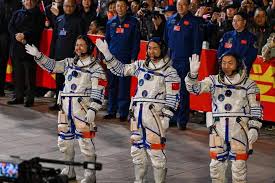
Shenzhou-19 crew to reside on space station for six months
By Liu Shiyao, Yu Sinan, People’s Daily
At 4:27 am Beijing time on Oct. 30, a dazzling beam of light illuminated the pitch-black night sky. The Shenzhou-19 crewed spaceship, atop a Long March-2F carrier rocket, took off from the Jiuquan Satellite Launch Center in northwest China and headed towards the Chinese space station.
At 12:51 pm on Oct. 30, the Shenzhou-19 crew successfully joined the Shenzhou-18 crew in the space station. After finishing handover, the crew of China’s Shenzhou-18 spacecraft returned to the Dongfeng landing site in north China’s Inner Mongolia Autonomous Region on Nov. 4.
Cai Xuzhe, born in the 1970s, serves as the commander of the Shenzhou-19 crew. It is the first time for him to be in this position.With this ongoing mission, he set a new record for the shortest interval between two spaceflights for Chinese astronauts.
Crew members Song Lingdong and Wang Haoze, both born in the 1990s, are on their first spaceflight mission. Prior to being selected, Wang was a senior engineer at the Academy of Aerospace Propulsion Technology, China Aerospace Science and Technology Corporation. She is China’s only female space flight engineer and the third Chinese woman to participate in a crewed spaceflight mission.
The Shenzhou-19 mission marks the fourth crewed flight in the application and development phase of China’s space station and the 33rd flight of China’s manned space program.
Its primary goals are to complete an in-orbit crew rotation with the Shenzhou-18 crew, reside on the space station for about half a year, conduct space science and application experiments, perform extravehicular activities (EVAs), manage cargo entry and exit, install and recover space debris protection devices and other external equipment on the space station, and engage in science education, public welfare activities, and other payload tests. The aim is to further improve the operation efficiency of the space station and maximize the comprehensive benefits of its applications.
It is reported that the Shenzhou-19 mission will carry out 86 space science research and technology experiments, covering various fields including space life science, microgravity fundamental physics, space material science, space medicine and new space technologies.
The Shenzhou-19 crew will conduct structural analysis of protein crystal growth and non-equilibrium dynamics of soft matter under microgravity conditions.
The astronauts are expected to advance frontier research into basic theories, the development of new materials, the physiological effect mechanism of space radiation and weightlessness, hypomagnetic biological effects and molecular mechanisms.
A report on the scientific research and application development of the space station Tiangong is slated for release on the second anniversary of its completion, to introduce the representative results achieved by the space station since it was sent to orbit
According to Lin Xiqiang, spokesperson for the China Manned Space Agency, the selection of the fourth-batch Chinese astronauts concluded in May this year. Ten astronaut candidates made to the final list, including eight space pilots and two payload experts. Their training started this August.
The fourth-batch Chinese astronauts will not only perform tasks related to the space station, but also prepare for future manned lunar missions. Therefore, their training subjects emphasize essential skills such as living, working and maintaining health in a weightless environment. They will also master specialized skills including EVAs, equipment maintenance, and space science experiments.
Besides, they will develop capabilities in spacecraft operation, lunar rover driving, celestial navigation, geological fieldwork, as well as adapting from weightlessness in space to walking with loads on the lunar surface.
China is pressing ahead with its mission to land astronauts on the Moon by 2030, moving quickly with development and construction to turn this goal into reality.
The production and ground tests of prototypes of the Long March-10 carrier rocket, the manned spacecraft Mengzhou, the lunar lander Lanyue, the spacesuit to be worn by astronautsand the manned lunar rover are underway as planned.
A series of major tests have been completed, including the integrated airdrop test for the spacecraft, and the separation test for the two modules of the lander.
The scientific research objectives and overall payload plan for the manned flight tests and the first manned lunar mission have been basically determined. The development and construction of systems such as launch sites, telemetry and communication, and landing sites are progressing in an orderly manner as planned.
Lin said that currently, the first batch of payloads selected under cooperation between China and the United Nations Office for Outer Space Affairs are conducting experiments in orbit. Simultaneously, efforts are being made with relevant countries to promote the implementation of more joint experimental research, consultations, selection and training of astronauts to participate in flights to the Chinese space station.
Lin said the China’s space station serves not only as a national asset but also as a platform for advancing space technology and bringing benefits to all of humanity. The world is always welcome to participate in flight missions of the Chinese space station.
Tax Bills: Northern Group Slams Ndume
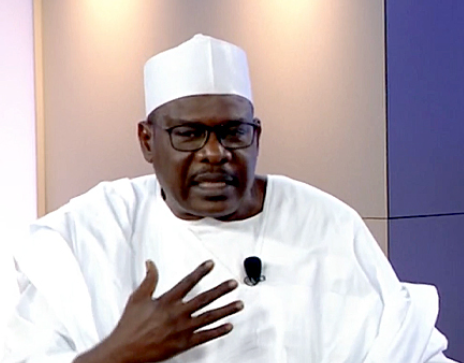
The Northern Redemption Coalition (NRC) has slammed the lawmaker representing Borno South Senatorial District in the National Assembly, Senator Ali Ndume, for attempting to force his views on the nation regarding the tax reform bills currently before the National Assembly.
President Bola Tinubu sent four bills to the National Assembly, including the Nigeria Tax Bill 2024, the Tax Administration Bill, and the Nigeria Revenue Service Establishment Bill, meant to repeal the Federal Inland Revenue Service (FIRS) Act and create the Nigeria Revenue Service (NRS) and, the Joint Revenue Board Establishment Bill.
The Northern Governors Forum (NGF) had opposed the VAT bill, claiming it would impoverish the North, a position that drew widespread condemnation from northern youth groups and professionals.
Senator Ndume sailed into the storm when he appeared on Channels Television’s Politics Today programme on Tuesday, and said the bills are dead on arrival and should be thrown out.
But the Northern Redemption Coalition (NRC) president, Comrade Adamu Bashir, cautioned Ndume against overinflating his political worth and following, as his position does not reflect the acceptance of the tax bills among the discerning population of Nigerians.
Bashir said, “It is the failure of leaders like Ndume to develop the North that has left them with the phobia. They have for the tax bills, which President Tinubu have demonstrated, can turn the economy around.
“While he claimed to be speaking for the poor in the country, it turned out he cannot even speak for the North, and certainly, he appears disconnected from his constituency because all Ndume’s years in the Senate have been wasted as he has refused to uplift his constituents.
“Instead of his tenuous attempt at cheap populism, Ndume should reassess his position relative to the reality of the time by reviewing his errant stance to refocus his activity in a way that justifies his supposed love for the North.”
Bashir lamented that Ndume, through his take on the tax bills, was perpetrating the wrong notion of a lazy and entitled North, when this part of the country is not known for being resistant to taxes.
He stated, “For the avoidance of doubt, the North is not afraid of the new tax bills. The North rather fears leaders like Ndume and our governors, who have refused to distribute wealth evenly, build schools for our teeming population of young people out of school, and empower our vulnerable women.
“We envisage that the people of Borno South Senatorial District would eventually realise that it is time to recall Ndume as he has proven that he would always sabotage their interest in the pursuit of his populist posturing.,” he noted.
Dollar, Bitcoin Surge Amidst Expected Trump Win in U.S. Election

The value of the U.S. Dollar and Bitcoin surged significantly on November 6, 2024, as investors reacted to the expectation of a Donald Trump victory in the U.S. presidential election. The anticipation of a potential Republican win in key swing states caused a boost in market sentiment, contributing to what analysts are calling the “Trump Trade.”
Despite the election being tightly contested, early returns indicated Trump’s strength in crucial battleground states like Georgia and North Carolina. This momentum helped Trump gain an edge over his Democratic rival, Vice President Kamala Harris, further propelling optimism in the financial markets.
As a result, the U.S. Dollar rose by 1.5%, reaching its highest level since July at 154.33 yen, and gained over 1% against the euro and more than 3% against the Mexican peso. Bitcoin also experienced a remarkable surge, breaking through its previous record high, reaching $75,330.88, as investors speculated that a Trump victory would lead to policies favorable to cryptocurrencies.
Trump has pledged to make the U.S. the global hub for Bitcoin, and his policy proposals, including tax cuts and deregulation, have been seen as positive for the U.S. economy. Analysts are predicting that a clean sweep of the White House and Congress by Republicans could lead to increased demand for digital currencies like Bitcoin, especially if Trump’s proposals on tax cuts and tariffs materialize.
The rally in the dollar has been attributed to expectations that Trump’s economic policies will push inflation and economic growth, which, in turn, would affect Federal Reserve decisions, including possible interest rate cuts. The dollar’s rise also had a positive impact on global markets, with stock indices in Tokyo, Shanghai, and Sydney seeing gains, although Hong Kong’s market dropped due to concerns about a Trump presidency’s impact on China.
This surge in both traditional and digital currencies reflects the market’s belief that Trump’s policies could lead to higher growth, although some analysts caution that the long-term impact on inflation and global trade tensions remains uncertain. The election results are expected to have profound implications for both the U.S. and global economies in the coming months.
President Tinubu Announces Death of Army Chief, Lt. General Taoreed Abiodun Lagbaja
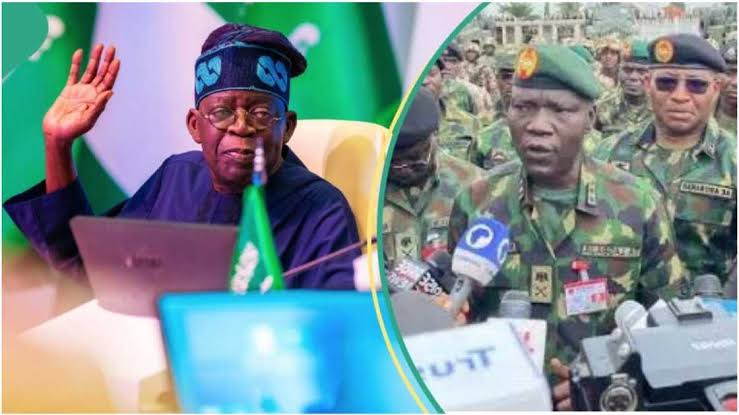
President Bola Ahmed Tinubu has confirmed the death of Lt. General Taoreed Abiodun Lagbaja, the Chief of Army Staff, at the age of 56. The news was made public in a statement by Tinubu’s Special Adviser on Information and Strategy, Bayo Onanuga, early Wednesday.
Lt. General Lagbaja passed away on Tuesday night in Lagos after a period of illness. His death marks a profound loss for the Nigerian military.
Born on February 28, 1968, Lagbaja was appointed Chief of Army Staff on June 19, 2023, by President Tinubu. His military career began in 1987 when he joined the Nigerian Defence Academy. He was commissioned as a Second Lieutenant in the Nigerian Infantry Corps in 1992, serving in various leadership roles, including platoon commander in the 93 Battalion and the 72 Special Forces Battalion.
Throughout his career, Lagbaja played key roles in national security operations, including Operation ZAKI in Benue State, Operation Lafiya Dole in Borno, and Operation Forest Sanity in Kaduna and Niger States.
An alumnus of the U.S. Army War College, Lagbaja earned a Master’s in Strategic Studies, cementing his reputation as a committed and skilled military leader.
Lt. General Lagbaja leaves behind his wife, Mariya, and their two children. President Tinubu has expressed his deepest condolences to the family and the Nigerian Armed Forces, praising the late general’s dedication to the country’s defense.
Kamala Harris Cancels Address as Campaign Awaits Final Vote Counts
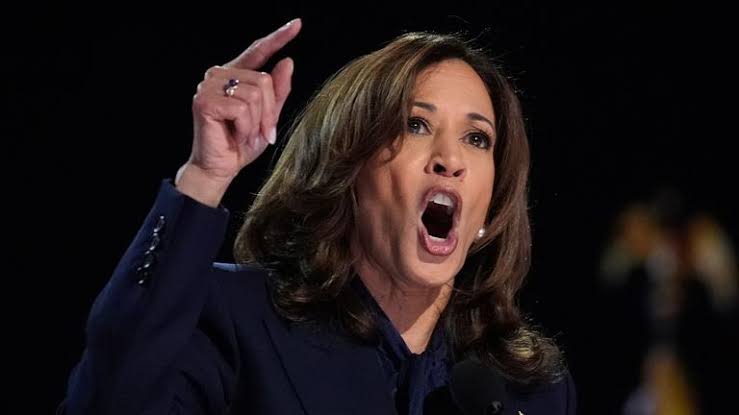
Kamala Harris has decided to forgo an expected address at Howard University as her campaign continues to monitor vote counts in critical battleground states. Campaign co-chair Cedric Richmond informed supporters that Vice President Harris would not be speaking tonight, urging patience as final votes come in.
“We still have votes to count and states that haven’t been called yet,” Richmond told attendees. “We will fight overnight to ensure every vote is counted, and every voice is heard. You will hear from the vice president tomorrow.”
This announcement followed projections indicating a narrowing lead for former President Donald Trump, who has secured 248 Electoral College votes to Harris’s 213, with several states, including Georgia and North Carolina, projected in his favor. Trump is also leading by small margins in pivotal states like Wisconsin, Michigan, Pennsylvania, and Arizona—states that could determine the election outcome.
To win, Harris’s campaign will need strong turnout from urban areas, particularly Milwaukee, Detroit, and Philadelphia. However, the final counts may extend for several days due to the tight margins and ongoing counts in states like Arizona, Nevada, and Pennsylvania.
FRSC to Acquire Helicopters and Drones for Patrol Amid Ember Months Preparations

The Federal Road Safety Corps (FRSC) has announced its plans to acquire helicopters to strengthen patrol operations through a public-private partnership initiative. Deputy Corps Marshal for Policy, Research, and Statistics, Clement Oladele, revealed this development during a press conference held in Abuja. Originally a long-term objective, the project is now moving closer to implementation.
In addition to helicopters, the FRSC plans to deploy drones and air ambulances to further improve patrol and response capabilities. This move comes in response to alarming statistics: between January and September 2024, 7,011 road traffic accidents resulted in 3,767 fatalities and injuries for 22,373 individuals.
Citing the United Nations Decade of Road Safety 2021-2030, Oladele emphasized the FRSC’s commitment to reduce road traffic deaths by half by 2030. Corps Marshal Shehu Mohammed highlighted that road traffic accidents are the seventh leading cause of death worldwide, posing a significant risk to Africa’s youth.
To combat this, the FRSC is intensifying public awareness campaigns on the dangers of driving under the influence, particularly targeting drivers in parks. Preparations are also underway to train corps officers for the demands of the busy ember months.
In related initiatives, the Ministry of Works is working to repair damaged roads ahead of the festive season, while FRSC officers receive updated training to manage holiday traffic.
Super Eagles Coach Augustine Eguavoen Travels to Belgium for Medical Checkup
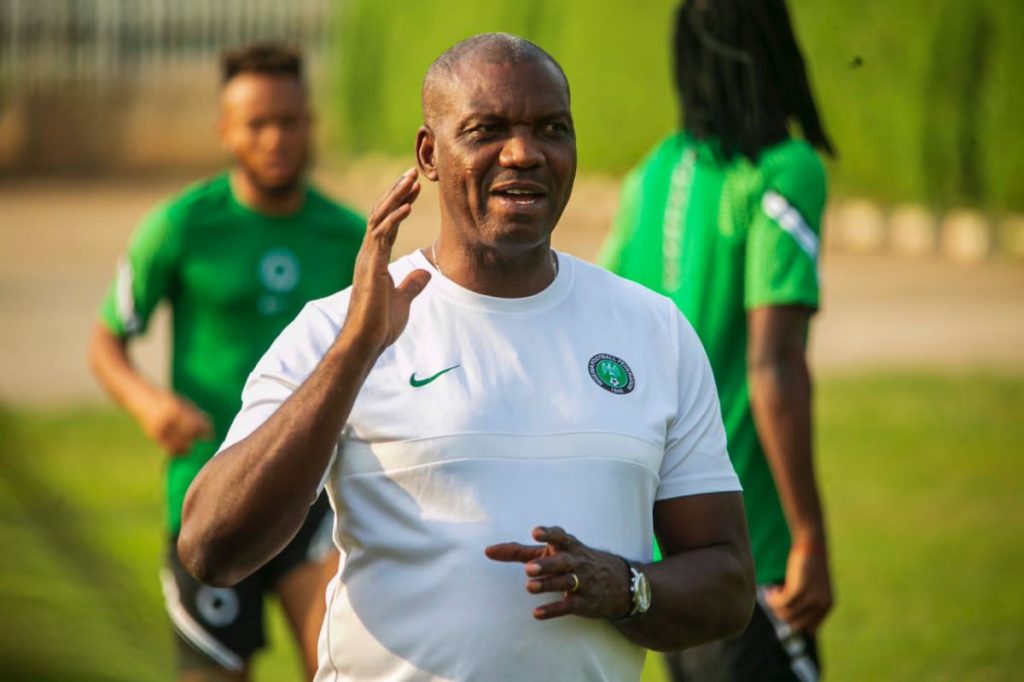
Super Eagles interim coach, Augustine Eguavoen, has traveled to Belgium for a routine medical checkup. According to reports by SCORENigeria, Eguavoen plans to join the Super Eagles in Abidjan for their training camp immediately after completing his appointment.
The Super Eagles will face the Cheetahs of Benin Republic in a crucial Africa Cup of Nations (AFCON) 2025 qualifying match, scheduled to take place at the Felix Houphouët-Boigny Stadium in Abidjan on November 14. The team will officially open its training camp in Abidjan on Monday in preparation for the match.
Following their match against Benin, Nigeria will host the Amavubi of Rwanda at the Godswill Akpabio International Stadium in Uyo on November 18. Nigeria currently leads Group D with 10 points, needing only one more point to secure a place in the AFCON 2025 tournament.
Amidst these critical matches, former Super Eagles star Nwankwo Kanu has urged the Nigeria Football Federation (NFF) to appoint Eguavoen as the permanent head coach. “If I were the NFF President, I’d have given him the job by now. What are they waiting for?” Kanu remarked, suggesting that Eguavoen’s appointment as head coach is long overdue.
Donald Trump Declared Winner of 2024 U.S. Presidential Election by Decision Desk HQ
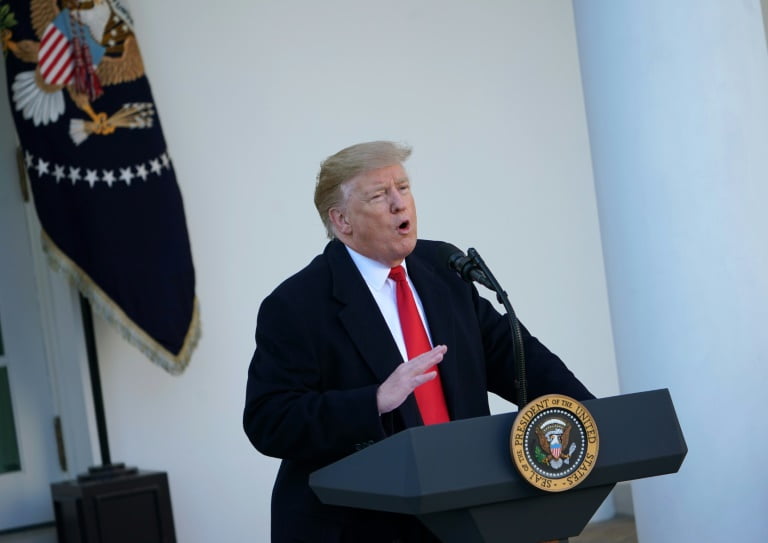
In a historic political comeback, former U.S. President Donald Trump has been declared the winner of the 2024 presidential election by Decision Desk HQ (DDHQ). Trump, who secured critical wins in Pennsylvania and Alaska, reached the 270 electoral votes required to clinch the presidency, overcoming a contentious race against Vice President Kamala Harris.
Trump’s path to victory included flipping battleground states like Georgia and North Carolina, bolstered by strong turnout from Latino voters and increased rural support. He also made notable gains in the popular vote, a rare achievement for Republicans in recent decades. Running alongside Senator JD Vance (R-Ohio) as his vice-presidential candidate, Trump campaigned on issues of rising costs, border security, and global unrest, calling for a return to his policy agenda.
Despite a challenging campaign period, which included a criminal trial and even two assassination attempts, Trump’s platform resonated with many voters. His agenda includes sweeping immigration reforms, extended tax cuts, universal tariffs, and plans to restructure the Department of Education. Trump has also signaled his intent to focus on loyalty within his administration, positioning allies for key roles.
The outcome reflects a shift in the U.S. political landscape, particularly with Republicans now in control of the Senate. Trump’s re-election could further impact the judicial system, with a potential Supreme Court shift toward more conservative rulings. Although Harris emphasized abortion rights as a core issue, following the Supreme Court’s 2022 overturn of Roe v. Wade, Trump was able to maintain significant voter support.
Trump’s victory marks the first time since Grover Cleveland in 1892 that a former president has reclaimed the White House after an electoral defeat. With legal challenges still underway, including a federal indictment from his actions following the 2020 election, Trump’s return sets the stage for a consequential new term.
Republicans Regain Control of U.S. Senate in 2024 Elections
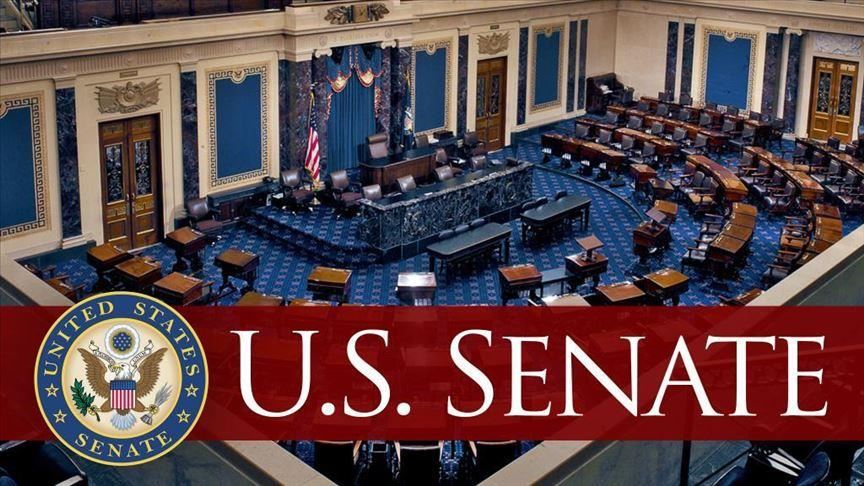
Republicans have reclaimed control of the U.S. Senate, as media outlets confirmed early on November 6, 2024. This victory ends a four-year period of Democratic dominance in the Senate and signals a potential shift in legislative priorities, particularly with the possibility of Donald Trump securing the presidency.
A key race in West Virginia saw Republican Governor Jim Justice win the Senate seat previously held by Joe Manchin, who often voted alongside Democrats. Meanwhile, in Ohio, GOP-backed businessman Bernie Moreno defeated Democratic incumbent Sherrod Brown, swinging another seat to the Republicans. Nebraska also held strong, with Senator Deb Fischer overcoming a surprising independent challenge. These wins reversed the 51-49 Democratic majority, with additional Republican victories anticipated in Montana, Wisconsin, and Pennsylvania.
Texas Senator John Cornyn, a potential Republican leader in the Senate, stated, “I look forward to working with President Trump and our new conservative majority to make America great again by making the Senate work again.” If Republicans capture all remaining contested seats, they are projected to hold a commanding 55-seat majority in the 100-member chamber.
While Democrats attempted to regain ground by targeting key seats in Texas and Florida, they were ultimately unsuccessful, losing these critical races. However, the election also marked a milestone in Senate diversity. Angela Alsobrooks and Lisa Blunt Rochester made history as the first Black women elected concurrently to the Senate, representing Maryland and Delaware.
The high-stakes 2024 election cycle also saw historic spending, with over $10 billion poured into congressional races—double that spent on the presidential campaign, according to OpenSecrets. Additionally, Sarah McBride’s election as the first openly transgender person to the U.S. House of Representatives adds another groundbreaking moment, representing Delaware in Congress and furthering American political diversity.
Control of the House of Representatives remains undecided, with Democrats facing a narrow path to reclaim a majority by flipping just four seats.