Florida Struggles to Recover as Hurricane Milton Causes Widespread Destruction

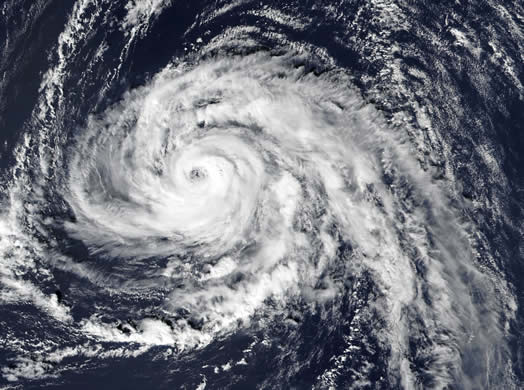
Hurricane Milton has left a devastating trail across Florida, uprooting trees, tearing off roofs, and flooding streets. The storm made landfall on Wednesday, October 9, 2024, as a Category 3 hurricane near Siesta Key on the state’s western coast, with winds reaching 120 mph (193 km/h). This comes just two weeks after the state endured the deadly Hurricane Helene, which claimed over 200 lives.

More than three million homes and businesses lost power as Milton ravaged Florida’s coast. The storm also triggered tornadoes, including one that struck a retirement community on the east coast, resulting in multiple unconfirmed fatalities.

In a statement, St. Lucie County Sheriff Keith Pearson reported tornado damage in the Spanish Lakes community, where lives were lost. President Joe Biden has been briefed on the hurricane’s impacts, while officials from both parties are closely monitoring the state’s recovery efforts ahead of the November 5 presidential election.

The storm weakened to a Category 1 hurricane as it moved inland but continued to cause significant damage. Central Florida, including the Orlando area, faced strong winds, flash flooding, and infrastructure disruptions, with closures affecting the Orlando International Airport and major theme parks like Disney World.

Florida Governor Ron DeSantis urged residents to stay indoors, warning of the dangers posed by floodwaters and storm surges, some of which reached up to 12 feet in coastal areas like Tampa, St. Petersburg, and Fort Myers.

Hurricane Milton struck just after Florida was still recovering from Hurricane Helene, one of the deadliest storms in U.S. history. With the state’s ground still saturated from Helene, residents and businesses, like Randy Prior’s pool company, faced heightened anxiety as the storm battered communities already in the midst of recovery.

Scientists attribute the increasing frequency and intensity of such storms to rising global temperatures, which fuel extreme weather patterns, including heavy rainfall and destructive hurricanes.

As recovery efforts continue, Florida faces a long road ahead to rebuild from the devastation brought by Milton and Helene.

Sub-Saharan Africa Named Most Dangerous Region for Girls by UNICEF

According to a recent report by the United Nations International Children’s Emergency Fund (UNICEF), Sub-Saharan Africa has been identified as one of the most dangerous regions for girls worldwide. The region holds the highest number of victims, with an estimated 79 million girls and women, or 22%, affected by sexual violence.

Globally, approximately 370 million girls and women have experienced sexual violence, with around one in five victims in Sub-Saharan Africa reporting abuse before the age of 18. Other regions facing high numbers include Eastern and South-Eastern Asia (75 million victims), Central and Southern Asia (73 million), and Europe and Northern America (68 million). In regions such as Oceania, the proportion of affected women and girls is as high as 34%.

UNICEF Executive Director Catherine Russell expressed grave concern, stating, “Sexual violence against children is a stain on our moral conscience.”

This data, gathered from national statistics and surveys between 2010 and 2022, sheds light on the widespread nature of the crisis, despite challenges related to underreporting.

Nankali Maksud, a regional child violence specialist based in Nairobi, emphasized the profound and lasting effects of such abuse on survivors, calling it “generations of trauma.” She highlighted the difficulty survivors face in accessing education, with many girls who have been assaulted struggling to focus and learn in school environments.

Regions embroiled in conflict and insecurity, like Sudan, face some of the highest rates of sexual violence. Aid agencies are increasingly concerned about the rising risks women and girls encounter in these areas due to ongoing violence and instability.

This report underscores the urgent need for greater protections and support for girls, particularly in regions where conflict exacerbates their vulnerability to abuse.

Sahara Desert Flooded for First Time in 50 Years

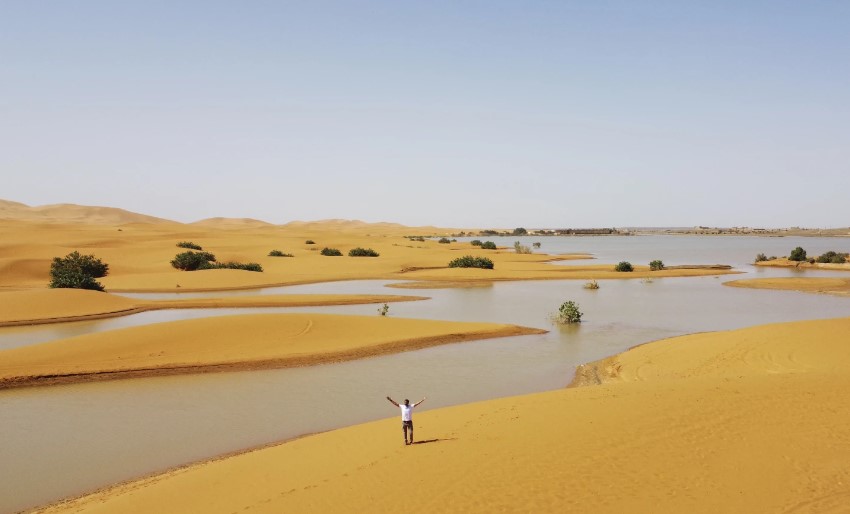
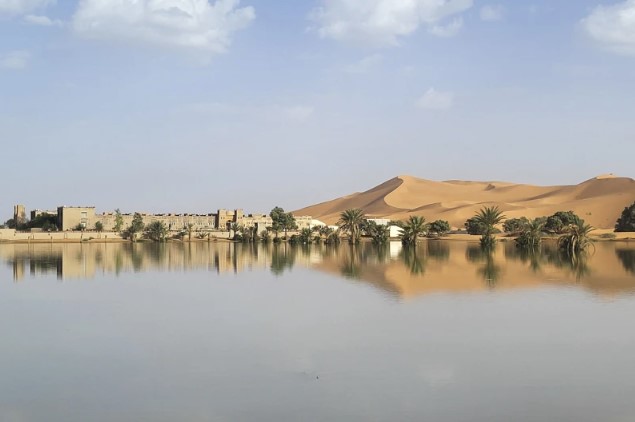
For the first time in half a century, parts of the Sahara Desert have been flooded following an unprecedented downpour, transforming the arid landscape into blue lagoons, as reported by the Associated Press on Wednesday.

Southeastern Morocco, one of the driest regions on Earth, experienced more rain in just two days last September than it typically receives in an entire year. The Moroccan government reported that multiple areas, including Tata, were severely affected by the rainfall, which exceeded yearly averages.

In the village of Tagounite, located approximately 450 km south of the capital Rabat, over 100 millimeters of rain fell within a 24-hour period, resulting in the once-dry Lake Iriqui being filled with water for the first time in 50 years.

This rare phenomenon produced striking scenes of water flowing through the desert, pooling around palm trees and sand dunes. Tourists and locals in off-road vehicles took the opportunity to explore the flooded desert terrain.

Houssine Youabeb, of Morocco’s General Directorate of Meteorology, remarked, “It’s been 30 to 50 years since we’ve had this much rain in such a short space of time.”

The rainfall, attributed to an extratropical storm, could signal an increase in the frequency of similar storms in the region. Although the deluge helped replenish groundwater and refill reservoirs after six years of drought, it also claimed over 20 lives in Morocco and Algeria, and caused significant damage to farmers’ crops, leading the government to release emergency aid.

These extraordinary images of the flooded Sahara offer a striking contrast to its usual dry and barren landscape, with water reflecting palm trees and creating temporary lakes in one of the world’s most iconic deserts.


Former CBN Deputy Governor Claims Emefiele’s Naira Redesign Lacked Presidential Approval

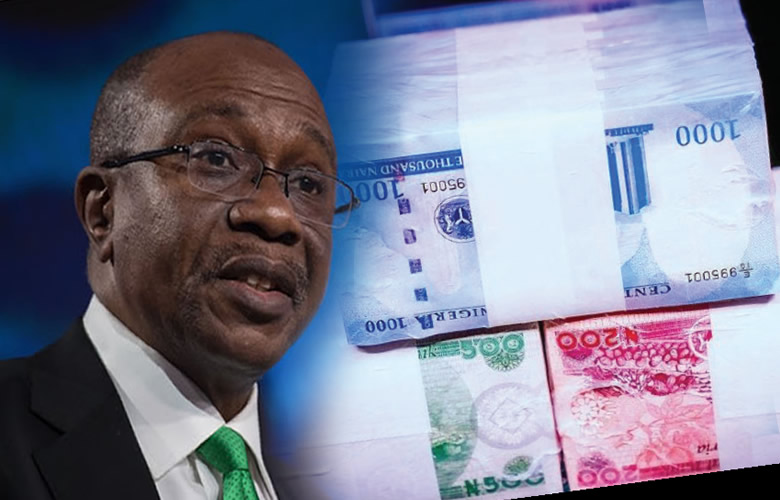
The trial of Godwin Emefiele, the former Governor of the Central Bank of Nigeria (CBN), resumed on Wednesday with Edward Adamu, a former CBN Deputy Governor, testifying as the fourth witness. Emefiele is facing prosecution by the Federal Government for the controversial naira redesign policy implemented during his tenure in late 2022.

Testifying before Justice Maryanne Anenih at the Federal Capital Territory High Court in Maitama, Abuja, Adamu stated that Emefiele violated established procedures during the naira redesign process. He highlighted that previous redesigns aimed to address issues such as currency volume, inflation, counterfeiting, and overall currency management.

According to Adamu, the 2022 naira redesign was conducted without the necessary approvals from either the President or the CBN Board, contravening legal protocols. He explained that the proper procedure begins with the Director of Currency Operations, who submits a proposal to the Committee of Governors. This committee then seeks approval from the CBN Board before presenting it to the President.

Adamu alleged that Emefiele circumvented this established process. Instead, he claimed that Emefiele called a meeting of the Committee of Governors, where he presented a supposed presidential approval for the redesign and moved forward with its implementation.

Adamu further asserted that the current naira notes in circulation differ slightly from the design approved by both President Muhammadu Buhari and the CBN Board, indicating that these modifications were made unilaterally by Emefiele.

During cross-examination, defense counsel Olalekan Ojo (SAN) questioned Adamu about whether it was customary for a board recommendation to precede presidential approval before a redesign. Adamu affirmed this was the case. When asked if there had ever been situations where the President approved funding to ECOWAS, the military, or other countries without consulting the CBN Board or Committee of Governors, Adamu acknowledged he was aware of such instances.

Ojo also pressed Adamu about any potential consequences for not following the procedures outlined in the CBN Act, to which Adamu admitted he could not recall specifics.

After a brief review of his previous statement to the Economic and Financial Crimes Commission (EFCC) on February 24, 2024, Adamu was unable to confirm whether he had previously stated that the minutes of CBN Meeting 764 were adopted.

The trial will continue on November 18, as Justice Anenih adjourned the case to allow further proceedings.

Nigerian Troops Capture Three Suspected Bandits in Taraba State

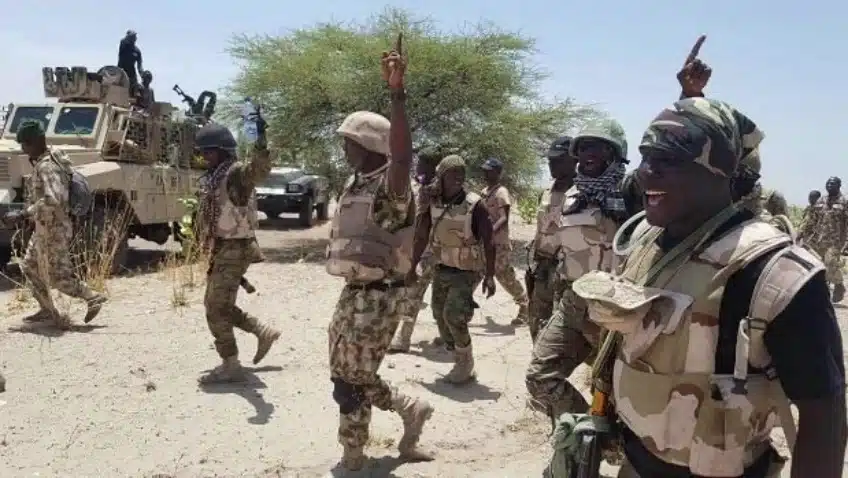
Troops from the 6 Brigade of the Nigerian Army, in collaboration with Sector 3 of Operation Whirl Stroke (OPWS) in Taraba State, have successfully arrested three individuals suspected of banditry, along with a logistics supplier linked to terrorist operations within and outside the state. The arrests occurred during a specialized operation initiated on October 7, 2024, in Andami, located in the Karim Lamido Local Government Area.

In a statement released to the media on Thursday, Captain Olubodunde Oni, Acting Assistant Director of Army Public Relations for the 6 Brigade, highlighted that the operation was facilitated by reliable intelligence.

The suspected bandits were apprehended in Jeb-Jeb, a border community straddling Taraba and Plateau states. The suspects have been identified as Adamu Abubakar, Mohammed Bello, and Musa Adamu, all of whom are implicated in various criminal activities, including armed robbery, kidnappings, and violent assaults on local communities.

“These arrests are part of the broader efforts of the 6 Brigade to combat the rising tide of inter-state criminality within its Area of Operations,” Captain Oni stated. “Preliminary investigations indicate that the suspects have been active in the state for several years, and further investigations are underway to identify and apprehend other members of their criminal syndicate.”

Additionally, a significant logistics supplier for a prominent terrorist organization in Taraba was captured in a separate operation in Bunka village, within Lau Local Government Area. The individual, identified as Musa Inusa, is believed to be responsible for supplying essential provisions and materials to terrorists operating in the region.

Captain Oni noted, “His arrest is anticipated to disrupt the supply chain and further weaken the operational capabilities of the group.”

JOHESU Issues 15-Day Ultimatum to Federal Government Amid Strike Threat

The Joint Health Sector Union (JOHESU) in Nigeria has issued a 15-day ultimatum to the Federal Government to address its outstanding demands or face another strike. The union’s leadership, including the national chairman and national secretary, made the announcement in a joint statement.

JOHESU criticized the government for failing to fulfill its commitments since June 2021, when a previous strike was suspended following President Bola Tinubu’s promise to intervene. The union’s key demands include the payment of COVID-19 hazard allowances for members, tax exemptions on healthcare workers’ allowances, and an immediate halt to plans for establishing a new agency to oversee activities in national health facilities.

The last JOHESU strike lasted from May 19 to June 6, 2023, nearly disrupting healthcare services in public hospitals before it ended with assurances from President Tinubu.

In a related development, primary school teachers in the Federal Capital Territory (FCT), under the Nigeria Union of Teachers (NUT), have suspended their strike action. This decision follows a strike that began on September 18, 2024, due to unpaid wage arrears and other outstanding benefits.

Comrade Abdullahi Mohammed Shafas, the NUT Chairman in the FCT, announced the suspension after an emergency meeting where the union acknowledged renewed commitments from FCT Minister Nysome Wike. The minister instructed the treasury department to utilize a portion of the area council chairmen’s Internally Generated Revenue (IGR) to facilitate the payment of the outstanding 60 percent wage arrears.

The NUT’s decision to suspend the strike reflects a positive engagement from the minister in addressing the teachers’ demands.

Enugu Doctor Arrested for Alleged Child Trafficking and Forgery

Dr. Emmanuel Ugwumba has been arrested by the Enugu State Police Command on charges of child trafficking and forgery in Udenu Local Government Area. The arrest, confirmed on Wednesday by Public Relations Officer Daniel Ndukwe, occurred on September 28 following an investigation by the command’s Anti-Kidnapping Tactical Squad.

According to police reports, Dr. Ugwumba became a suspect in a child trafficking ring after a public notice regarding an abandoned child surfaced. The notice, published in the Daily Sun Newspaper on September 27, 2024, was allegedly endorsed by him as the director of OTZ under the Enugu State Ministry of Gender and Social Development.

During his arrest, law enforcement officials rescued a pregnant woman and two young girls, aged four and two. Further investigations revealed that Dr. Ugwumba, who claims to be a graduate of the University of Jos, operates Chima Hospital and Maternity in Ugbaike Enugu-Ezike within the Igbo-Eze North Local Government Area.

Authorities suspect that between 2017 and 2024, Dr. Ugwumba conspired with accomplices, including a purported staff member from the ministry, to provide prenatal care and delivery services, leading to the trafficking of at least seven children, whose current locations remain unknown.

Additionally, police discovered various documents related to the Enugu State Ministry of Gender Affairs and unverified pest/vector certificates from the Ministry of Environment and Mineral Resources in his possession.

On October 9, 2024, Dr. Ugwumba appeared in court and was remanded to the Nigerian Correctional Custodial Centre as proceedings continue.

Enugu Doctor Arrested for Alleged Child Trafficking and Forgery

Dr. Emmanuel Ugwumba has been arrested by the Enugu State Police Command on charges of child trafficking and forgery in Udenu Local Government Area. The arrest, confirmed on Wednesday by Public Relations Officer Daniel Ndukwe, occurred on September 28 following an investigation by the command’s Anti-Kidnapping Tactical Squad.

According to police reports, Dr. Ugwumba became a suspect in a child trafficking ring after a public notice regarding an abandoned child surfaced. The notice, published in the Daily Sun Newspaper on September 27, 2024, was allegedly endorsed by him as the director of OTZ under the Enugu State Ministry of Gender and Social Development.

During his arrest, law enforcement officials rescued a pregnant woman and two young girls, aged four and two. Further investigations revealed that Dr. Ugwumba, who claims to be a graduate of the University of Jos, operates Chima Hospital and Maternity in Ugbaike Enugu-Ezike within the Igbo-Eze North Local Government Area.

Authorities suspect that between 2017 and 2024, Dr. Ugwumba conspired with accomplices, including a purported staff member from the ministry, to provide prenatal care and delivery services, leading to the trafficking of at least seven children, whose current locations remain unknown.

Additionally, police discovered various documents related to the Enugu State Ministry of Gender Affairs and unverified pest/vector certificates from the Ministry of Environment and Mineral Resources in his possession.

On October 9, 2024, Dr. Ugwumba appeared in court and was remanded to the Nigerian Correctional Custodial Centre as proceedings continue.

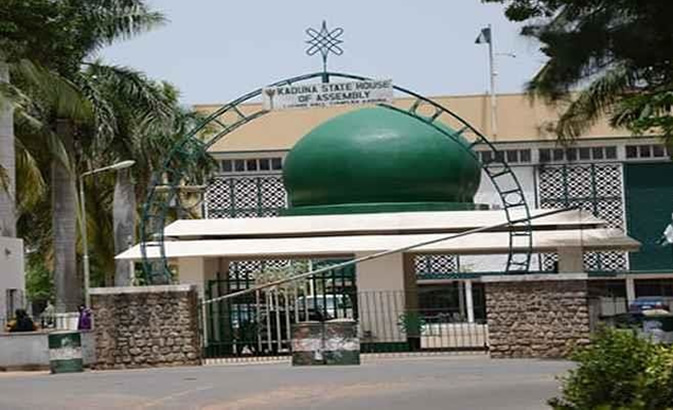
Kaduna Assembly Denies Plans to Amend Local Government Electoral Law

The Kaduna State House of Assembly has refuted claims that it intends to amend the state’s Local Government Electoral Law just days before the October 19, 2024, local government elections. Chairman of the House Committee on Information, Henry Marah, clarified during a press briefing that no such amendment was listed in the Assembly’s order paper for its October 9 session.

This statement comes in response to concerns raised by the Peoples Democratic Party (PDP), whose state chairman, Edward Masha, accused the Assembly of plotting to manipulate the election by altering provisions related to result declaration and the appointment of collation officers. Masha warned against any attempts to undermine the electoral process and called for peaceful and transparent elections.

Marah, however, dismissed these allegations, stating that no discussions had taken place regarding amendments to the electoral law since the July Supreme Court ruling on financial autonomy for local governments. He emphasized that the Assembly remained independent and committed to the people’s welfare.

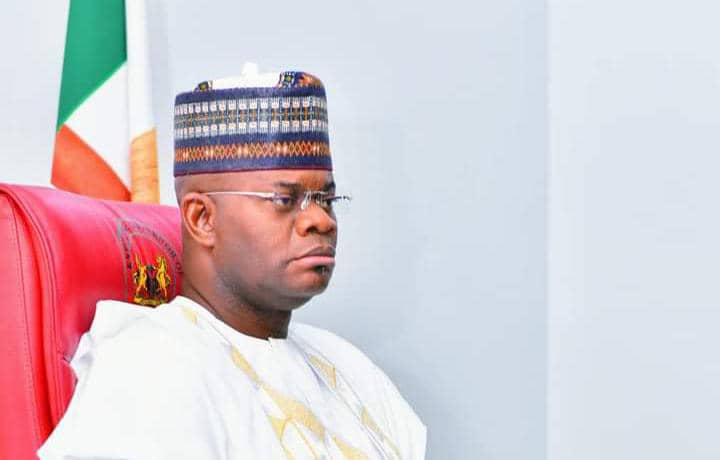
EFCC Intensifies Probe into Yahaya Bello’s Aides as Court Date Approaches

The Economic and Financial Crimes Commission (EFCC) is ramping up its investigation into the aides of former Kogi State Governor Yahaya Bello, ahead of his court appearance scheduled for October 24, 2024. The probe focuses on allegations of corruption and financial mismanagement during Bello’s tenure from 2016 to 2024.

Sources suggest that several of Bello’s former aides, some now serving in the current administration, may face arrest for their involvement in the alleged misconduct. The EFCC has reportedly gathered substantial evidence against Bello, exceeding what has been presented in court so far.

Despite evading arrest for months, Bello is expected to face a new 16-count charge alongside co-defendants. EFCC insiders believe the case will bring significant revelations, possibly altering the stance of Bello’s supporters.