Customers Express Frustration Over Frequent Debits by First Bank

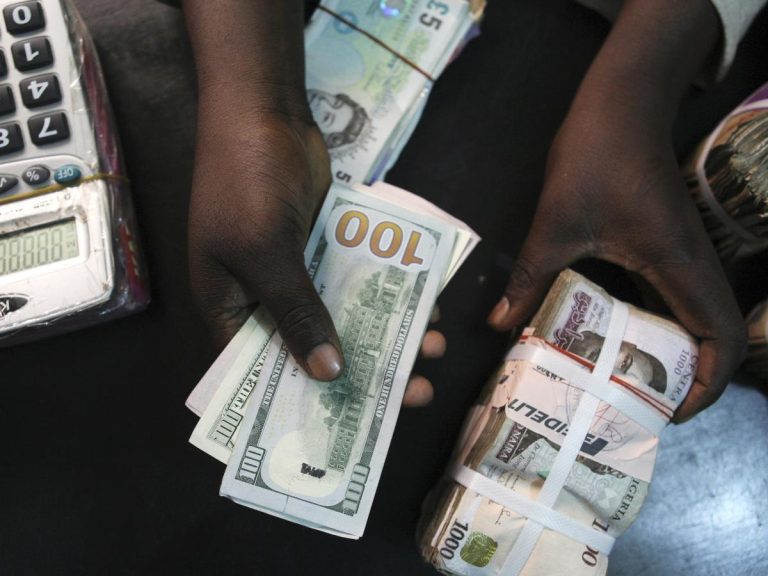
Numerous customers of First Bank Plc have taken to social media to voice their frustrations regarding frequent and unexplained debits from their accounts. The complaints have surged over the past two weeks, with many customers expressing concern about the nature of these charges.

On the bank’s official Facebook page, users like Udoh Blessing raised alarms about receiving multiple debit alerts labeled “QS” along with their phone numbers. Blessing questioned the legitimacy of these charges, stating, “What’s that for please cos I didn’t recharge via the line and keep receiving debit alerts of #200, 139, 34, 100 and so on. It’s getting out of hand.”

Another customer, Esther Maurice, echoed these sentiments, revealing she had been debited over ten times in the month. She commented, “Please oh First Bank of Nigeria, what is the meaning of MTN: USSD and so on Debit? Cause I’m going crazy here.” Many customers expressed that they felt their funds were not safe in the bank, citing multiple debits without making transactions.

One user, Irreplaceable Gichi, shared a troubling experience, stating, “Someone sent me 1,500 only for me to come back the next day and my balance is remaining 900 out of the money sent. It is not fair, you people should look into it.” Stephen Ochoche also reported being debited four times within two weeks without any transactions, highlighting the growing concern among customers.

In response to the wave of complaints, First Bank acknowledged the issues on social media and urged customers to check their direct messages for more personalized assistance. The bank replied swiftly to each complaint, expressing empathy and requesting specific details such as account numbers, amounts, and dates to investigate the issues further.

The financial institution reiterated its commitment to resolving customer concerns and maintaining service quality. For urgent matters, First Bank directed customers to contact their support through dedicated channels, including their complaint portal and helplines.

This situation underscores the challenges faced by customers in ensuring the safety of their funds, raising questions about banking practices and customer service reliability.

Governor Dapo Abiodun Credits Tinubu for Saving Nigeria ₦5.4 Trillion in Petrol Subsidy

Ogun State Governor Dapo Abiodun has praised President Bola Tinubu for averting a potential ₦5.4 trillion expenditure on petrol subsidies in 2024. He emphasized that previous administrations had inadvertently been subsidizing petrol for neighboring African countries, placing a significant financial burden on Nigeria.

Governor Abiodun made these remarks during a church service held at the Cathedral Church of St. Peter, Ake, Abeokuta, to commemorate Nigeria’s 64th Independence Day. He urged Nigerians to remain patient and resilient amid economic hardships, asserting that the Tinubu administration is focused on repositioning the country for greater growth.

“The federal government under the amiable leadership of our President, Bola Tinubu, wasted no time in embarking on bold and audacious initiatives aimed at repositioning our economy and saving us from bankruptcy. We must persevere,” he stated.

He explained that the removal of the subsidy was crucial, noting, “If not curbed, [the subsidy] would have cost us ₦5.4 trillion by the end of 2024.” Abiodun pointed out that such funds could be better utilized for infrastructure development and social services, referencing the current year’s infrastructure budget of ₦6.7 trillion.

The governor also discouraged participation in the upcoming October 1st protests, advocating instead for constructive engagement with the government. He called for unity and prayers for the nation, warning against actions that could lead to vandalism and destruction.

“Let us be resilient, let us continue to pray, let us persevere, and let us hold on to our faith in Almighty God. Let us engage constructively and work with the government, knowing that this administration is an inclusive one,” he concluded.

Bauchi University Denies Reports of Mass Resignations by PhD Holders

The management of Sa’adu Zungur University (SAZU) in Bauchi State has refuted claims that 30 PhD holders have resigned from the institution. This denial follows announcements made by the Academic Staff Union of Universities (ASUU), which cited dissatisfaction with the university’s salary structure as the reason for the alleged resignations.

In a statement issued by the university’s Public Relations Officer, Auwal Hassan, the institution described the claims as “inaccurate and unfounded.” Hassan clarified that SAZU has not received any resignation letters from the supposed 30 PhD holders or any significant number of academic staff for salary-related issues.

“Our records indicate that only six PhD holders have exited or are away from the university in the past 1 year and 10 months, citing various personal reasons unrelated to salary concerns,” he explained.

Hassan also provided insight into the current staff situation at the university, noting that some academic staff are on sabbatical leave, secondment, or leave of absence, while others were dismissed for disciplinary reasons. He stated that SAZU has a total of 397 academic staff, including 18 Professors, 9 Readers, and various ranks of lecturers.

Furthermore, Hassan emphasized that the university, with the support of Bauchi State Governor Bala Mohammed, has prioritized the welfare and development of its staff. He highlighted that initiatives have been implemented to enhance working conditions, including timely salary payments and addressing promotion arrears.

The situation remains a topic of concern as the university seeks to maintain its staff and address any underlying issues related to employee satisfaction and retention.

Nigeria Reaffirms Financial Ties with China, Denies Seeking Debt Forgiveness

The Federal Government of Nigeria has officially stated that it is not seeking debt forgiveness from China, amid ongoing discussions about debt relief in various international forums. This clarification was provided by Minister of Foreign Affairs, Yusuf Tuggar, during his appearance on Channels Television’s Sunday Politics program.

Tuggar addressed concerns about Nigeria’s debt situation and recent engagements with Chinese officials, asserting, “No, that is not what we are discussing with China. When it comes to the issue of debt, our debt-to-GDP ratio shows we are not among the critically indebted nations.”

While Nigeria is advocating for global debt relief measures, including discussions at the United Nations General Assembly (UNGA), Tuggar emphasized that China is open to extending more loans and increasing its investments in Nigeria’s infrastructure and economy. “China is prepared to lend more; China is prepared to invest more in Nigeria,” he stated.

At the 79th session of the UNGA in New York, Vice President Kashim Shettima, representing President Bola Tinubu, called on world leaders to prioritize debt forgiveness for Nigeria and other developing nations from creditors and multilateral financial institutions. However, Tuggar pointed out that the process of achieving debt forgiveness is gradual and has not yet yielded results in recent discussions.

He referred to Nigeria’s prior experience under former President Olusegun Obasanjo, emphasizing that debt forgiveness requires ongoing engagement rather than being an instantaneous solution. “The effects we felt last time we had debt forgiveness did not just happen with one UNGA,” Tuggar remarked.

According to the Debt Management Office’s Q1 2024 report, Nigeria’s total domestic and external debts amount to N121.67 trillion ($91.46 billion), underscoring the necessity for strategic financial partnerships as the government navigates its economic challenges.

Nigerian Red Cross Issues Urgent Call for Support Amid Rising Disasters

The Nigerian Red Cross Society has expressed its alarm over the increasing frequency of floods and other disasters in the country, declaring that despite having a substantial number of volunteers, they are overwhelmed and in urgent need of additional resources. Prince Oluyemisi Adeaga, President of the Nigerian Red Cross Society, made this statement during the 2024 annual fundraising and gala night held in Lagos on Saturday.

Adeaga revealed that the society currently has over 800,000 volunteers across all 36 states and the Federal Capital Territory (FCT), but this number is insufficient to meet the growing humanitarian challenges faced daily. “When we distribute these volunteers across the states, we fall short of the capacity needed to effectively address these challenges,” he explained.

He highlighted that while Borno State is often the focal point for disaster response, numerous other states are also suffering from severe flooding. Adeaga called on individuals and organizations to join forces with the Nigerian Red Cross, emphasizing that the effort to help others does not always require financial resources. “It doesn’t take money to do good,” he stated.

The president detailed the extensive humanitarian issues in various regions, including Maiduguri, Zamfara, Niger, and Osun, noting the pressing need for both human and infrastructural resources to alleviate suffering. “We are overwhelmed. There are too many tasks to do,” he lamented.

Karsten Voigt, Country Manager of the British Red Cross, echoed Adeaga’s sentiments, highlighting the challenging conditions under which the Nigerian Red Cross operates. He urged everyone to support the society and emphasized the importance of implementing preventive measures to mitigate future disasters.

Nigeria Celebrates 64th Independence Anniversary with Thanksgiving Service

The celebrations for Nigeria’s 64th Independence Anniversary commenced with an inter-denominational church service at the National Christian Centre in Abuja on Sunday. The event was attended by a high-profile government delegation led by Secretary to the Government of the Federation, George Akume, alongside notable figures including former President Olusegun Obasanjo, Senate President Godswill Akpabio, and the nation’s Service Chiefs.

During his address, Akume expressed optimism about Nigeria’s future under President Bola Tinubu, asserting that there is hope for the nation. He shared a vision for Nigeria to emerge as the most successful and prosperous country in Africa and beyond.

Archbishop of Abuja, Most Rev. Michael Akinwale, echoed these sentiments during his sermon, emphasizing the need for unity and resilience among Nigerians. He expressed a dream for Nigeria to reclaim its status as a leading nation, stating, “I have a dream that this nation, Nigeria, will be great again. I have a dream that Nigeria will rise again. I have a dream that Nigeria will be a pacesetter for industrialization in Africa.”

Akume further articulated his vision for the country under Tinubu’s leadership, declaring, “There is hope. I have a dream too, that this country, under Asiwaju, will become the most blessed, most successful, and prosperous in Africa and the world.”

Senate President Godswill Akpabio urged Nigerians to remain patient and hopeful, noting that the journey toward prosperity has only just begun. He acknowledged the challenges ahead but emphasized the importance of unity in overcoming them, stating, “Our journey to become a prosperous nation is just beginning, and I urge each of you to be patient, to hold on to hope, and to believe that change is not only possible but inevitable. Nigeria’s brightest days are ahead of us.”

Nigeria Secures $1.57 Billion from World Bank to Boost Human Capital and Climate Resilience

Nigeria has received a significant financial boost from the World Bank, totaling $1.57 billion, to support three key initiatives aimed at enhancing human capital and strengthening resilience against climate change. This new funding comes amidst a challenging backdrop, with the World Bank reporting that 104 million Nigerians are currently living in poverty, exacerbated by recent subsidy and foreign exchange reforms.

The allocated funds will target the improvement of health services for women, children, and adolescents while also enhancing dam safety and irrigation systems to mitigate the impacts of climate-related challenges such as floods and droughts.

This latest financial support includes $500 million designated for addressing governance issues that impede the delivery of education and health services (HOPE-GOV), $570 million for the Primary Healthcare Provision Strengthening Program (HOPE-PHC), and another $500 million for the Sustainable Power and Irrigation for Nigeria Project (SPIN).

The HOPE-GOV and HOPE-PHC programs are designed to improve service delivery in essential education and healthcare sectors, which are critical for advancing Nigeria’s human capital outcomes. The SPIN initiative will focus on enhancing dam safety and water resource management for hydropower and irrigation in targeted regions.

The HOPE-GOV program aims to address key governance challenges in the education and healthcare sectors, improving the efficiency and transparency of funding while optimizing the management of personnel at all government levels.

In line with the Federal Government’s health sector reforms, the Central Bank of Nigeria (CBN) has introduced the Health Sector Renewal Investment Initiative, particularly the HOPE-PHC project, which aims to enhance the quality and accessibility of crucial reproductive and maternal health services. This initiative targets significant reductions in maternal and child mortality rates and is expected to benefit 40 million people, particularly in vulnerable communities.

The project includes a concessional credit of $500 million from the International Development Association (IDA) and an additional $70 million in grants from the Global Financing Facility for Women, Children, and Adolescents (GFF). These funds will address financing shortfalls in primary and community healthcare.

Moreover, the SPIN Program aims to protect Nigerian citizens from the effects of climate change by improving dam operations and developing enhanced irrigation and drainage services across 40,000 hectares, directly benefiting approximately 950,000 individuals, including households and farmers.

Dr. Ndiamé Diop, World Bank Country Director for Nigeria, emphasized the importance of investing in health and education to improve employment opportunities and reduce poverty. He expressed confidence that the new financing would help tackle the challenges faced by Nigerians, particularly women and girls, in accessing quality services.

Calls for Regional Government Dominate Constitution Amendment Submissions

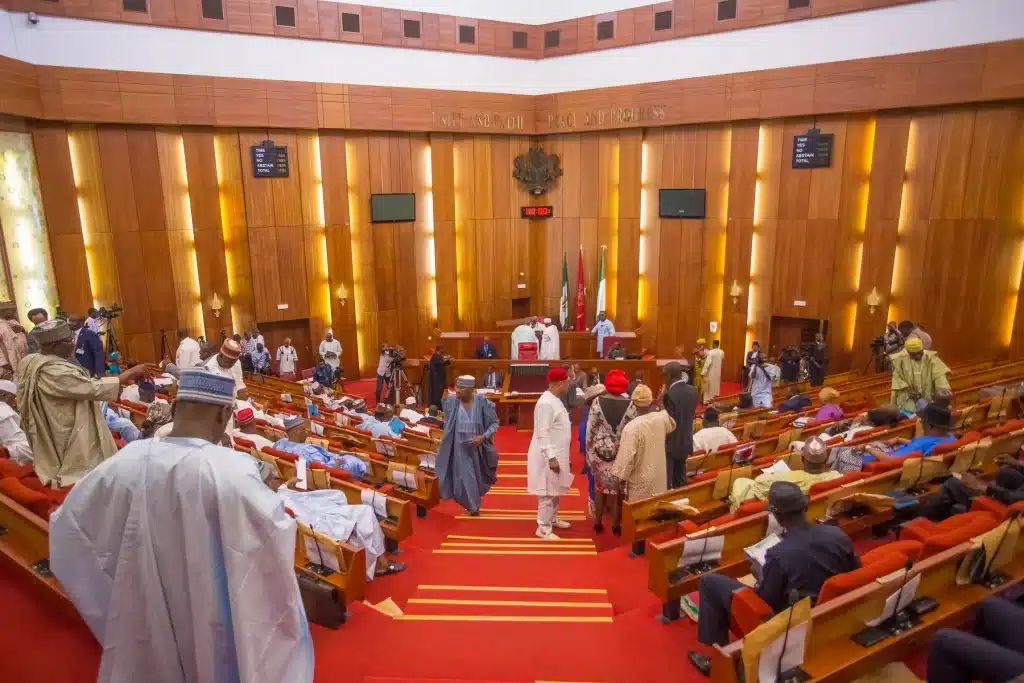
As the National Assembly reviews public memoranda for the ongoing constitutional amendment process, a significant number of Nigerians have expressed support for a return to the regional system of government. Of the 56 memoranda submitted, key topics include regional governance, unicameral legislature, local government autonomy, state police, and gender equality.

The push for regional government, particularly from southern Nigeria, gained traction following a draft proposal by Dr. Akin Fapohunda, advocating for a “New Governance Model for Nigeria” to replace the 1999 Constitution. Various groups, including the Kwara South Consultative Forum, All Middle Belt Youth Forum, and Okun Development Association, are among those calling for a restructuring of the current federal system to empower regions with more autonomy over resources and governance.

Despite growing support, lawmakers remain divided on the issue. Some senators, like Opeyemi Bamidele, stressed that such a significant change would require broad political consensus. Others, like Senator Abdul Ningi, oppose the move, arguing that regionalism did not benefit their constituencies in the past.

The debate reflects ongoing tensions over the future of Nigeria’s governance structure, with advocates calling for reforms to address issues of resource management and accountability.

Federal Government Takes Steps to Prevent ASUU Strike

The Ministry of Education is actively working to avert a potential strike by the Academic Staff Union of Universities (ASUU). Folasade Biriowo, the ministry’s Director of Press, assured that measures are being put in place to address the union’s concerns.

ASUU recently issued a 14-day ultimatum to the Federal Government, demanding resolution of outstanding issues or face a strike. Key demands include finalizing the renegotiation of the 2009 FGN/ASUU Agreement, based on the Nimi Briggs Committee’s Draft Agreement of 2021, and addressing withheld salaries from the 2022 strike.

Other critical issues include the release of unpaid salaries for staff on sabbatical and adjunct appointments, funding for public university revitalization outlined in the 2023 Federal Government Budget, and the payment of Earned Academic Allowances. Additionally, ASUU is advocating for the adoption of the University Transparency and Accountability Solution in place of the Integrated Payroll and Personnel Information System (IPPIS).

ASUU President Emmanuel Osodeke expressed disappointment with the government’s perceived lack of commitment, warning that continued delays could escalate the crisis within the public university system. He stated that the union would hold the government responsible for any disruption arising from its failure to address these matters within the extended timeframe.

Consumers Challenge Minister’s Claims on Improved Power Supply

The Electricity Consumer Protection Advocacy Centre (ECPAC) has voiced strong opposition to the Ministry of Power’s recent assertion that over 40% of Nigerians now enjoy up to 20 hours of daily power supply. Minister of Power Adebayo Adelabu made this claim on Sunday, attributing the improvements to reforms under President Bola Tinubu’s administration.

While Adelabu reported significant advancements in Nigeria’s electricity generation, citing over 5,500 megawatts of power generated, ECPAC’s Executive Director, Chief Princewill Okorie, dismissed the claims as “laughable.” He criticized the lack of credible data supporting the minister’s statistics, questioning the absence of reports from Nigeria’s 36 states and the need for comprehensive data collection from local governments.

Okorie proposed that the Ministry of Power establish a consumer protection department to accurately track electricity supply, arguing that the government should focus on addressing consumer complaints rather than issuing misleading reports.

Adelabu also highlighted ongoing infrastructure improvements and the recent signing of the Electricity Act of 2023, which aims to decentralize and liberalize the sector. He noted that installed generation capacity has increased from 13,000 MW to over 14,000 MW due to new hydroelectric projects and upgrades.

Despite the minister’s optimistic outlook, consumer advocates are unconvinced, insisting on more direct engagement with electricity users to understand their real experiences. They call for transparent, real-time data and effective solutions rather than mere announcements.

In addressing the critical need for stable electricity, Adelabu emphasized that reliable power supply is fundamental for economic growth, drawing comparisons with developed nations that have successfully industrialized due to consistent electricity availability. He reiterated the ministry’s commitment to providing stable electricity for households, businesses, and institutions, with ongoing initiatives like the Presidential Metering Initiative aimed at installing over 10 million meters in five years.