Nigerian Government Freezes Over $37 Million in Cryptocurrency Linked to #EndBadGovernance Organisers

The Nigerian government has reportedly frozen more than $37 million worth of cryptocurrency held in wallets believed to be associated with the organisers of the #EndBadGovernance protests. This action was taken following an order from the Federal High Court in Abuja.

The ruling, issued by Judge Emeka Nwite on July 9, 2024, came after an application by the Economic and Financial Crimes Commission (EFCC). The EFCC claimed that the assets in question were proceeds from money laundering and terrorism financing. The court granted the freezing order during an ex parte hearing, meaning the wallet owners were not present or notified at the time of the decision.

The largest of the frozen wallets contains over $37 million in USDT (a stablecoin tied to the US dollar). The other wallets hold smaller amounts, ranging from $90 to $443,512.37 in cryptocurrency. The EFCC did not disclose the identities of the wallet owners in their application, but sources suggest that they are linked to the organisers of the #EndBadGovernance protests.

An affidavit supporting the EFCC’s application stated that the assets were under investigation for their connection to money laundering and terrorism financing. The court has ordered that the wallets remain frozen pending the conclusion of the investigation and any potential prosecution.

Nigerian Singer Chike Surprises Twitter Troll with N1 Million Gift After Heated Exchange

Nigerian singer Chike Ezekpeazu Osebuka, popularly known as Chike, recently stunned a Twitter troll by gifting them N1 million after a contentious exchange on the social media platform.

The altercation began when the troll criticized Chike’s music, claiming that the singer owed his success to the late artist Mohbad. The situation escalated after Chike shared a video, to which the troll responded with the comment, “Mohbad made you.”

In response, Chike fired back with several retorts before offering to send the troll N1 million, sarcastically suggesting it might help alleviate the person’s hunger and lack of success. True to his word, Chike transferred the money and shared a receipt of the transaction with the caption, “I know say na hunger. Hunger boy, Oya and eat.”

Chike, who gained recognition through his participation in the Nigerian reality competition Project Fame West Africa and later The Voice Nigeria, where he secured second place in Season 1, is also known for his acting roles. He made his acting debut in the Africa Magic Showcase telenovela Battleground and appeared in Gang of Lagos as the character Ify.

Chike released his debut album Boo of the Booless on February 14, 2020, followed by his second album, The Brother’s Keeper, in 2022.

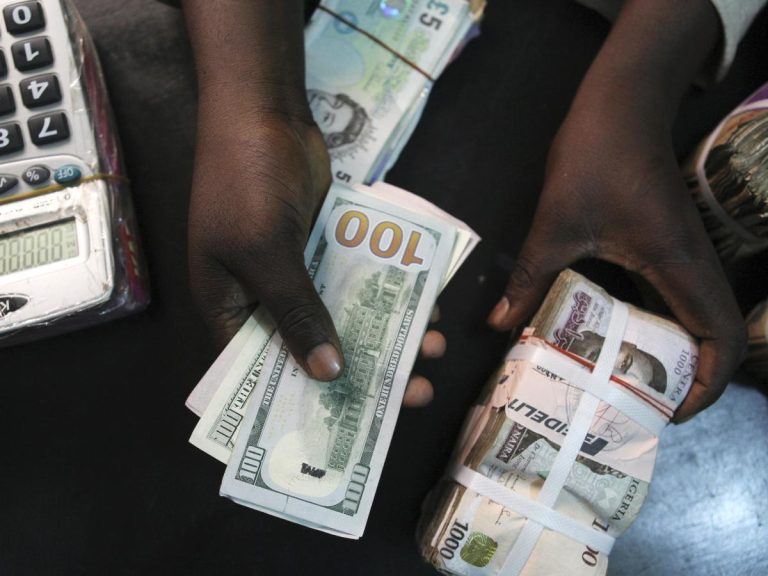
Dollar to Naira Black Market Exchange Rate Today, 14th August 2024

What is the current exchange rate for the Dollar to Naira on the black market, also known as the parallel market?

For today, 14th August 2024, the Dollar to Naira exchange rate at the Lagos Parallel Market (Black Market) is as follows:

  • Buying Rate: ₦1,593 per dollar
  • Selling Rate: ₦1,598 per dollar

These rates were sourced from Bureau De Change (BDC) operators on Tuesday, 13th August 2024.

It is important to note that the Central Bank of Nigeria (CBN) does not recognize the black market for foreign exchange transactions. The CBN advises individuals to conduct their forex transactions through their respective banks.

Official CBN Exchange Rate Today

  • Buying Rate: ₦1,573 per dollar
  • Selling Rate: ₦1,574 per dollar

Please be aware that the exchange rates can vary depending on the seller, and the rates mentioned in this article may differ from those you encounter.

Anticipated Petrol Price from Dangote Refinery

Meanwhile, independent petroleum marketers in Nigeria are speculating that petrol from the Dangote Petroleum Refinery may be sold at a price between ₦600 and ₦650 per litre when it enters the market. This follows the trend observed with diesel prices influenced by the refinery. However, the exact pricing will depend on production costs and market conditions.

Dangote Refutes Claims of Setting Petrol Price at ₦600/Litre

Dangote Limited has officially denied setting the price of petrol from its Lagos-based refinery at ₦600 per litre, following statements from the Independent Petroleum Marketers Association of Nigeria (IPMAN).

In a statement released on Tuesday night by the Group Chief Branding and Communications Officer, Anthony Chiejina, the company clarified that no official price has been determined for petrol from the refinery. This denial comes after IPMAN speculated that petrol from the Dangote Refinery would be sold at ₦600 to ₦650 per litre, similar to the effect the refinery had on diesel prices.

IPMAN’s National Vice President, Hammed Fashola, had suggested that the $20 billion refinery could help lower fuel costs if supported with adequate crude oil supplies. However, Dangote Limited emphasized that it has not engaged in any pricing discussions with IPMAN, nor has the association been authorized to speak on its behalf.

The company urged the public to disregard the speculative prices and wait for an official announcement regarding the petrol pricing.

FG Initiates Plan to Repatriate 12,400 Nigerian Doctors from Abroad

On August 14, 2024, the Nigerian government, led by President Bola Tinubu, approved the National Policy on Health Workforce Migration in a bid to counter the ongoing exodus of healthcare professionals from Nigeria. The policy, announced by the Coordinating Minister of Health and Social Welfare, Prof. Muhammad Pate, aims to encourage the return of approximately 12,400 Nigerian-trained doctors currently practicing abroad, with a significant number based in the United Kingdom.

Prof. Pate highlighted that 67% of Nigerian-trained doctors are practicing in the UK, underscoring the critical role Nigerian professionals play in the UK’s healthcare system. The newly approved policy is not merely a response to the migration trend but also a comprehensive strategy designed to manage, harness, and reverse the migration of health workers.

The policy introduces the Nigeria Human Health Resource Programme, which will regularly review working conditions to ensure that health workers, especially those in rural areas, receive adequate recognition and rewards. The government is also negotiating with countries receiving Nigerian healthcare workers to improve Nigeria’s health training facilities.

Moreover, the policy will facilitate the return and reintegration of Nigerian healthcare professionals from the diaspora by streamlining registration processes and providing incentives. The initiative also includes digital health infrastructure development and capacity building to enhance healthcare delivery across Nigeria.

Healthcare professionals have expressed cautious optimism, requesting more details on the implementation plan to assess its feasibility and potential impact.

3 early signs of swollen appendix

  1. the early signs of a swollen appendix, or appendicitis, is critical to preventing severe complications. Here are three early signs to watch out for:
  2. Abdominal Pain: The most common symptom begins near the belly button and shifts to the lower right side of the abdomen. The pain is usually sharp and intensifies over time, worsening with movement, coughing, or sneezing.
  3. Nausea and Vomiting: Inflammation of the appendix can cause nausea and vomiting, often accompanying abdominal pain. These symptoms may be mistaken for a stomach bug but should be concerning if combined with localized pain in the lower right abdomen.
  4. Fever and Digestive Issues: A low-grade fever can develop as the body fights the infection. Digestive problems like bloating, constipation, or diarrhea may also occur, reinforcing the likelihood of appendicitis.

If these symptoms are present and worsen, seeking immediate medical attention is essential to prevent complications such as a ruptured appendix.

Exercising at specific times of the day can have a significant impact on various health

The time of the day can have a significant impact on various health outcomes, particularly for those managing blood sugar levels. According to recent research from the University of Granada, exercising in the evening—between 6 pm and midnight—can lead to substantial drops in blood glucose levels. This effect lasts throughout the day, making it especially beneficial for overweight or obese individuals at risk of or managing diabetes.

In addition to lowering blood sugar, the timing of exercise also affects other aspects of health:

  • Sleep Improvement: Exercising two hours before bed can enhance sleep quality.
  • Belly Fat Reduction and Blood Pressure: Morning workouts are particularly effective for women aiming to lose belly fat and lower blood pressure.

Therefore, it’s not just about exercising regularly, but also about exercising at the right time to maximize health benefits.

Experiencing bleeding during or after sex

  1. Experiencing bleeding during or after sex, known as postcoital bleeding, can be concerning and is caused by various factors. Some common causes include:
  2. Friction or Lack of Lubrication: Insufficient lubrication can cause micro-tears in the vaginal tissue, leading to bleeding.
  3. Vaginal Dryness: Often due to menopause, breastfeeding, or hormonal changes, dryness can cause discomfort and bleeding.
  4. Infections: Conditions like yeast infections, bacterial vaginosis, or STIs can inflame the vaginal tissues, making them prone to bleeding.
  5. Cervical Polyps: Benign growths on the cervix can cause bleeding after sex.
  6. Cervical Ectropion: A condition where cells from inside the cervical canal grow outside the cervix, potentially causing bleeding.
  7. Hormonal Imbalances: Changes due to birth control, pregnancy, or menopause can result in spotting after sex.
  8. Cancer: Although rare, bleeding after sex can sometimes be a sign of cervical or vaginal cancer.

If you experience persistent or heavy bleeding, unusual discharge, pain, or other concerning symptoms, it’s important to consult a doctor for a proper diagnosis and treatment. Early detection and intervention are crucial for maintaining reproductive health.

3 quick ways you can heal wounds with honey

  1. Honey has been recognized for its healing properties, especially in wound care, due to its antibacterial, anti-inflammatory, and protective qualities. Here are three quick ways to use honey for wound healing:
  2. Direct Application:
  • Clean the wound with mild soap and water.
  • Apply a thin layer of honey directly to the wound.
  • Cover with a sterile bandage and change the dressing regularly.
  1. Honey and Turmeric Paste:
  • Mix honey with a small amount of turmeric powder.
  • Apply the paste to the cleaned wound and cover it with a bandage.
  • Reapply the paste once or twice daily.
  1. Honey-Infused Dressings:
  • Use pre-soaked honey dressings available at pharmacies.
  • Apply to the wound and secure it in place, changing as per the product’s instructions.

Honey not only disinfects the wound but also creates a barrier against further contamination, promoting faster healing. However, it is advisable to consult a healthcare professional for severe injuries or signs of infection.

FG Sets Ambitious 6,000MW Power Generation Goal by 2025

The Federal Government has announced a target to boost Nigeria’s power generation to at least 6,000 megawatts by the end of 2025. The Minister of Power, Bayo Adelabu, made this known during an assessment visit to the Calabar Power Plant, managed by the Niger Delta Power Holding Company (NDPHC), on Tuesday, August 13, 2024.

Minister Adelabu highlighted that the administration of President Bola Tinubu inherited a power output of less than 3,000 megawatts from existing infrastructure last year. However, ongoing efforts have led to a steady increase in power generation, improving the reliability of the nation’s power supply.

A significant portion of this power comes from the Calabar Power Plant, which was built around 15 years ago with a capacity of 625 megawatts but has remained underutilized. The plant is equipped with five turbines, each capable of producing over 125 megawatts. Currently, three turbines are operating at optimal levels, providing power to the Southeast and South-South regions of Nigeria, while the remaining two turbines are undergoing maintenance.

The Minister emphasized that the Federal Government is committed to consolidating reforms in the power sector to ensure a stable power supply across the country. He also mentioned the rising energy demand, which the government is prepared to meet. Adelabu urged stakeholders in the oil and gas sector to be proactive, stressing the importance of the power sector to the national economy.

During his visit, Minister Adelabu expressed satisfaction with the Calabar Power Plant, which he described as the most active in the region. He also revealed that the Federal Privatization Council and the Federal Executive Council are currently considering the transfer of the plant to the Cross River State Government. The state’s Commissioner for Power and Energy, Prince Eka Williams, stated that the state government is ready to manage the plant effectively.

Chiedu Ugbo, the managing director of NDPHC, noted that the plant is supplying power to a significant portion of the South-South and Southeast regions. He also stressed the need for additional sub-transmission stations to enhance power distribution across various locations.