Hainan’s commercial space industry gathers momentum

By Sun Haitian, People’s Daily

At 10:41 a.m. on Nov. 10, 2025, a Long March-12 carrier rocket blasted off from Dongjiao township of Wenchang, south China’s Hainan province, sending the 13th group of internet satellite into the preset orbit.

This marked the seventh successful launch since the Hainan commercial spacecraft launch site began operations. From groundbreaking in 2022, to the first launch last November, and now entering a new stage marked by high-frequency, regular missions, this young “mother port” of China’s commercial space sector is accelerating its pace.

At the launch site, two launch towers stand tall. Launch pad No. 1 is tailor-made for the Long March-8 series and supports a seven-day launch and seven-day reset cycle. Launch pad No. 2 is China’s first multi-type launch pad designed for medium-lift liquid-fuel rockets. 

“Commercial space industry must prioritize cost and efficiency. Traditionally, each rocket required a dedicated launch pad. But the pad No. 2 adopts a universal interface like a ‘universal charger’ and can currently support more than 10 rocket companies and over 20 rocket types,” said Yang Tianliang, chairman of the Hainan International Commercial Aerospace Launch Center.

Pad No. 2 has also adopted an innovative “three-horizontal” system—horizontal assembly, horizontal testing, and horizontal transfer. Rockets are assembled and tested lying down, transported horizontally to the pad, and then erected and fueled for launch. This streamlined process reduces the pre-launch preparation period from about 20 days to 10 days or even less.

Construction has also begun on the phase II of the launch site, which will add two more pads — pads No. 3 and No. 4 scheduled to become operational by the end of 2026. Once completed, the site’s annual launch capacity is expected to exceed 60 missions.

“The launch site is like a port. Rockets are the vessels, and satellites are the cargo. Once the port is built, vessels and cargo will naturally come,” said Peng Xiaobo, chairman of Interstellar Glory Space Technology Co., Ltd. (iSpace), offering a vivid analogy that captures Hainan’s development strategy of using the launch site to drive the growth of the broader industrial chain.

Just a few kilometers from the towers, an aerospace industrial park is taking shape, forming a comprehensive industrial ecosystem for Wenchang International Aerospace City.

In October 2025, iSpace completed the phase I of China’s first integrated factory dedicated to the assembly, testing, and reuse of carrier rockets. 

“The first stage accounts for more than 70 percent of a rocket’s cost. If we can recover and reuse it, the launch cost could fall to 1/5 that of traditional expendable rockets. Sea-based recovery is safer and reduces performance loss, and Wenchang’s three-sided access to the sea and open launch corridors make it ideal for recovery,” Peng explained.

In August, the company’s first rocket recovery ship was launched, marking steady progress in building a full-chain closed-loop covering launch, recovery, inspection, and reuse.

As leading enterprises in the rocket sector flock to Wenchang, the “satellite chain” is also expanding rapidly. The main structure of what will be Asia’s largest “satellite super factory” has already been topped out and is expected to begin operations by the end of the year. Once satellites roll off the production line, they can be launched just a few kilometers away.

Meanwhile, new “aerospace+” applications are emerging along the data chain. The Wenchang Aerospace Supercomputing Center, already in operation, provides computing power for hundreds of domestic and international users and is moving toward a model where satellites become operational upon launch and data is delivered as an on-demand service.

With the rocket chain, satellite chain, and data chain taking shape, more upstream and downstream enterprises are gathering in Wenchang. More than 700 aerospace-related companies have now settled in Wenchang International Aerospace City.

What explains the rapid rise of Hainan’s commercial space sector?

“We have three clear advantages — location, policy, and industrial ecosystem,” said Yuan Shiying, deputy mayor of Wenchang. Located at 19 degrees north latitude, Wenchang’s low-latitude position boosts a rocket’s payload capacity by 10 to 15 percent compared with launches from higher-latitude sites. The policies featuring zero tariffs, low tax rates and simplified taxation offer strong incentives for capital-intensive aerospace enterprises. In addition, special market-access measures issued by the National Development and Reform Commission and the Ministry of Commerce provide strong support for building a world-class commercial launch site.

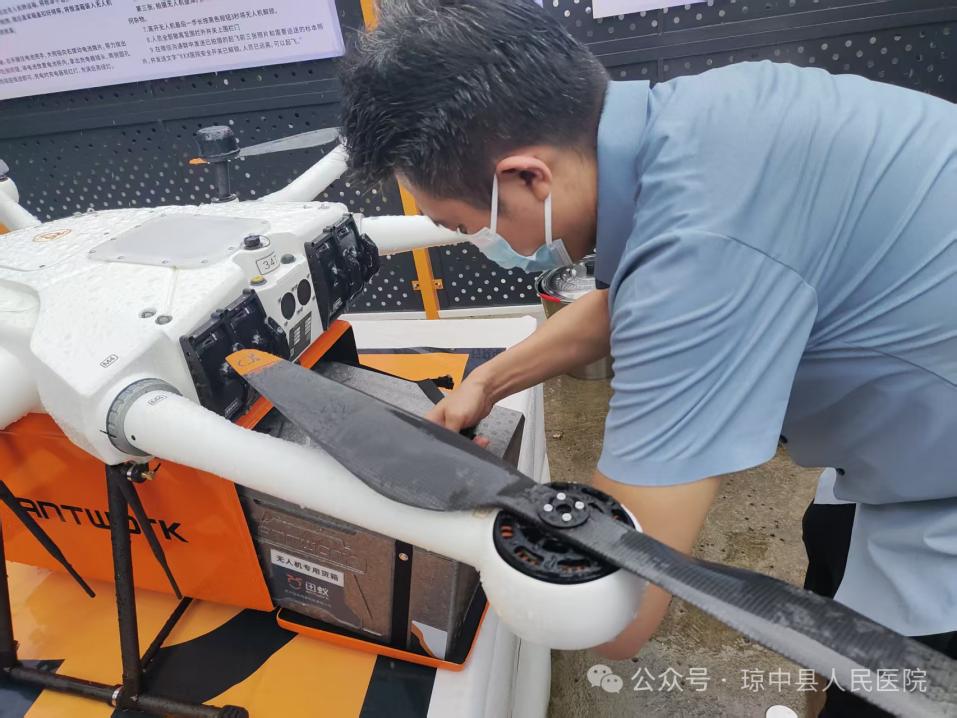
The growing popularity of “aerospace + tourism” is also boosting local accommodation and catering businesses. Aerospace technologies are enabling new applications across industries: in Sanya, seeds that have traveled to space are being cultivated at the Nanfan breeding base; in Haikou, drones powered by BeiDou data are flying cross-sea logistics routes. 

From a single launch site to an integrated industrial cluster and now to an open, innovation-driven ecosystem, a high-efficiency, low-cost, and fully integrated development path for commercial space is in the making along the shores of the South China Sea.

Yiwu’s marketplace evolves to embrace the digital age

By Dou Hanyang, People’s Daily

Yiwu, a city in east China’s Zhejiang province known as the “world’s supermarket,” has entered a new chapter with the launch of the Yiwu Global Digital Trade Center in October, marking the sixth-generation market of Yiwu. Since the early 1980s, Yiwu’s small-commodities market has undergone successive relocations and upgrades, each expanding its scale and enhancing its position in global trade.

From street stalls to mega markets

On Oct. 14, the opening day of the Yiwu Global Digital Trade Center, 73-year-old plush toy vendor Zhang Chunhua visited the new complex to celebrate her grandson He Tao’s store launch.

Yiwu’s journey began in September 1982 with the opening of the Huqingmen Open-Air Market in Choucheng township. The modest roadside market featured 705 stalls offering more than 2,200 types of goods. In December 1984, the second-generation Xinmalu Market opened, marking the beginning of Zhang’s business career.

“Each stall was just a concrete slab with steel frames and glass panels overhead,” she recalled. During peak seasons, competition for space was so intense that she arrived early each morning to secure a spot.

By 1986, the market had relocated and expanded into the Chengzhong Road Small Commodities Market, the third-generation iteration. Six years later, Yiwu opened the Huangyuan Market — the fourth generation — its first large-scale indoor facility, hosting over 15,000 stalls. It was there that Zhang finally secured a permanent booth of her own. “Back then, only two or three vendors sold plush toys,” she noted. “Today, more than 400 occupy a single floor.”

The fifth-generation market, launched in October 2002, marked a shift toward modern mall-style operations and deeper integration into global trade networks.

Now, Zhang’s grandson He Tao operates his store in the sixth-generation market. His shop is three times larger than his grandmother’s original booth, allowing for livestreaming and short video production tailored to younger international audiences. “The expanded space makes it easier to connect with global consumers in ways that were unimaginable a generation ago,” said He, born in the 2000s. 

From OEM to brand ownership

The launch of the Yiwu Global Digital Trade Center has attracted a new generation of entrepreneurs embracing brand-led growth. Among them is Chen Jiajia, a business owner born in the 1990s and general manager of Zhejiang Yinyuan Optical Instruments Co., who leased three storefronts in the new complex.

“My mother started selling binoculars at Huangyuan Market in 1996 and later established an optical factory,” Chen said. “We initially followed the common ‘front shop, back factory’ model, focusing on OEM (original equipment manufacturer).”

For years, Yiwu’s economy was dominated by contract manufacturing and private labeling — business models characterized by low margins and limited brand equity. “As international buyers increasingly came to Yiwu, we recognized that building our own brand was essential for long-term competitiveness,” Chen said. In 2016, she launched the company’s own brand, Eyebre.

To raise brand awareness, Chen’s team expanded into cross-border e-commerce, actively engaged in international trade exhibitions, and promoted Eyebre in global markets. Within two years, international sales began to gain momentum. Today, Eyebre products are sold in more than 100 countries and regions, with exports accounting for 70 percent of the total business, up from 50 percent.

“Strong brands are built on sustained investment in research and development,” Chen said. Starting with binoculars, the company has diversified into more than 1,000 products, including children’s microscopes and drone-mounted thermal imaging devices. It is now integrating AI technologies into product innovation.

In the sixth-generation market, brand-driven business models like Eyebre have become commonplace. Among the more than 3,700 merchants currently operating in the Yiwu Global Digital Trade Center, 57 percent either manage their own brands or operate licensed IP-based businesses, highlighting a significant shift from OEM to innovation-driven, value-added commerce.

A fully digital and intelligent upgrade

Navigating Yiwu’s sixth-generation market is a markedly different experience, thanks to a comprehensive digital transformation. According to Zhu Xingping, deputy general manager of the Yiwu Global Digital Trade Center, products are now organized by specific consumption scenarios, such as fashion or maternal and infant goods, allowing buyers to source more efficiently through curated, one-stop solutions.

The new center has introduced a sophisticated digital infrastructure, including a proprietary trade large model featuring 13 AI-driven applications. These range from AI-assisted design and visual content creation to multilingual video translation, supporting merchants in overcoming key challenges in product development, marketing, and global outreach.

In the jewelry section, Huang Zixuan, owner of the beaded bracelet store, described how the platform integrates AI design, traffic testing, customer feedback, and online sales into a streamlined workflow. “We upload draft designs, test them through pre-orders, and move to production based on customer feedback,” Huang said. “AI enables us to validate consumer interest first, reducing upfront investment and improving efficiency.”

With AI-powered video tools, merchants can now produce multilingual product videos simply by speaking Chinese into a smartphone. Captions and translations in languages such as English and Spanish are generated automatically, eliminating language barriers and dramatically enhancing content production.

Like Huang, over 3,700 new-generation merchants at the Yiwu Global Digital Trade Center are leveraging AI technologies to modernize their business models and compete more effectively in the global marketplace.

Full-cycle film production ecosystem thrives at China Movie Metropolis in Qingdao

By Xiao Jiaxin, Wang Zhe, People’s Daily

Inside a soundstage of the China Movie Metropolis (CMM) in Qingdao West Coast New Area, Qingdao, east China’s Shandong province, production of the Chinese sci-fi blockbuster “The Wandering Earth III” is in full swing. 

Performers in motion-capture suits move swiftly across the floor, while more than 100 infrared cameras capture every movement. On nearby monitors, digital characters and real-time-rendered environments seamlessly merge, blending the actors with their virtual world.

Several Chinese blockbusters, including “The Wandering Earth,” “Creation of the Gods” trilogy, and “Home Coming,” were all filmed or produced at the CMM. The facility is equipped with cutting-edge, industrial-grade equipment, enabling the entire filmmaking process, from script pre-visualization to filming and post-production, to be completed entirely without the studio.

Covering 1.7 million square meters, the CMM boasts 40 international-standard soundstages and 32 set-construction workshops, with its facilities and soundstage sizes meeting leading global benchmarks.

In 2020, the CMM launched its virtual production platform in Soundstage No. 5, a 2,000-square-meter studio. The platform integrates seven advanced technology modules, including motion capture, 3D scanning, and real-time rendering, making it one of the most technologically sophisticated virtual production soundstages in China.

The motion-capture system, featuring more than 100 specialized cameras, is widely used in virtual cinematography for films and TV dramas. “It has cut post-production time by nearly 40 percent and significantly enhanced the efficiency of shooting space scenes,” said Guo Fan, director of “The Wandering Earth” franchise. The system also allows actors to see virtual environments during their performance, leading to more authentic acting.

The virtual production platform is further enhanced by an ultra-high-precision facial scanning system, which improves the accuracy and efficiency of digital-human modeling, providing exceptional realism in character rendering.

Strategic spatial planning across the complex ensures smooth transitions between sets. “Our soundstages and set-construction workshops are strategically paired in clusters,” explained Yu Qiubei, technical director of the CMM. “This 1:1 layout minimizes communication barriers that often arise when filming locations and set-building areas are too far apart.”

Another signature feature of the CMM is its world-class underwater production center, which includes a state-of-the-art indoor heated water-tank stage, a large outdoor shooting pool, and professional blue screens. The 1,300-cubic-meter tank, maintained at a constant 32 degrees Celsius, allows actors to move with greater flexibility underwater, making it ideal for a wide range of filming needs. Movies such as “A Writer’s Odyssey” and “Operation Hadal” have used this facility for their underwater scenes.

Thanks to the CMM, Qingdao has developed a comprehensive film industry complex, with a total built-up area of 5.4 million square meters. The ecosystem is now home to nearly 1,200 film-related companies and has supported more than 700 film and TV projects, variety programs, and large-scale events, contributing over 10 billion yuan ($1.42 billion) in film-related output.

In one special-effects studio, a bionic mechanical dog moves at the touch of a remote, its mouth opening and eyebrows furrowing. To create realistic on-screen animals, the studio crafted the robotic dog from flexible silicone and outfitted it with advanced control systems, explained studio general manager Wang Ke. After hundreds of adjustments, the team achieved the desired lifelike performance.

The studio is also home to computer numerical control machines, 3D printers, and laser engravers, used for designing and producing special props for major films. Wang relocated his studio from Beijing to Qingdao in 2022, attracted by the powerful cluster effect of the CMM. “The CMM draws in teams working on science-fiction and fantasy projects,” he explained. “Our studio specializes in mecha and bionic mechanical props, and the items we produce are easily integrated into the soundstages next door.”

Today, Qingdao West Coast New Area hosts more than 1,000 companies in the film and cultural sectors, covering the entire film production process, from creation to post-production. The thriving ecosystem of the CMM is not only propelling the growth of China’s film industry but also positioning Qingdao as a hub for film production and innovation.

From algorithms to action: embodied intelligence transitions into real-world application

By Shen Wenmin, People’s Daily

The Global Developer Pioneers Summit 2025 and the International Embodied Intelligence Competition (GDPS 2025) were held in Shanghai from December 12 to 14. This event explored the integration of artificial intelligence from theoretical algorithms to tangible real-world applications.

Embodied intelligence, steadily making its way into diverse aspects of human life, was prominently showcased across multiple sectors. With three primary competition tracks, namely industrial production, daily-life services, and professional services, the event highlighted significant technological advancements and the industrial potential of embodied intelligence.

Industrial production: competing in millimeters and milliseconds

At the industrial manufacturing competition, the air was filled with the hum of high-frequency motors. During the industrial assembly competition, a humanoid robot efficiently completed a precision assembly task: equipped with high-definition visual sensors, its robotic arm could identify three different components in just 0.3 seconds. Its fingertips adjusted gripping force with an accuracy of 0.01 millimeters, completing eight processes, including positioning, insertion, and tightening, without flawless precision.

“By reducing each servo cycle by 0.5 milliseconds, the entire grasping process is accelerated to match human speed,” explained a developer from Generation-Z, who was fine-tuning parameters with their team. The team’s real-time motion control algorithm enabled the robot to achieve significant breakthroughs in both efficiency and precision despite limited computing resources.

Yao Qizhi, an academician of the Chinese Academy of Sciences, emphasized that for embodied intelligence to advance, it must evolve from isolated skills to full-body coordination. “At present, robots’ mobility and manipulation are managed by two separate systems. The future will demand unified control over whole-body movement and fine motor skills to support complex, multi-step, general-purpose actions,” he explained.

Daily-life services: more personalized forms 

The daily-life services track focused on practical applications in everyday settings. In a simulated community environment, an intelligent service robot assisted elderly participants. Through voice interaction, it identified individual needs and delivered relevant information about community events. When interacting with those with limited mobility, the robot offered a support handrail and guided them gently across ramps, providing reminders to “walk slowly.”

“The robot understands my dialect and responds quickly. Having such a helper in the community would make life much easier,” remarked an elderly participant.

The home services track demonstrated even more personalized solutions. A household service robot autonomously planned its movements to avoid obstacles, identified food items in kitchen cabinets, and reminded users of expiration dates. It also recommended recipes based on health data and flexibly adjusted cleaning modes to avoid areas where infants were crawling. 

According to its developer, the robot is powered by a multimodal large model capable of deeply understanding nonverbal human behavior, such as facial expressions and movements, to better understand user needs and deliver more personalized services.

Intelligent technologies should not only exhibit technical sophistication but also possess a human touch. From community services to in-home companionship, and from daily chores to health management, embodied intelligence is transforming life services by offering flexible and personalized solutions. This shift is opening new opportunities for industrial innovation and growth.

Professional services: a test of real-world capability

The professional services track covered two major scenarios — emergency rescue and medical/elderly care — challenging embodied intelligence in extreme, high-stakes environments.

In the emergency rescue simulation, a disaster site was recreated with collapsed debris blocking roads, and thick smoke reducing visibility to less than one meter. Upon activation, a tracked rescue robot rapidly synthesized sensor data to determine the optimal route. It traversed rubble, continuously adjusted its posture to maintain balance, and successfully navigated the obstacles. The robot precisely located trapped individuals and transmitted their vital signs. Engineers onsite celebrated as the robot completed the task in just a few minutes, a feat that reflected extensive testing in rigorous conditions.

The medical and eldercare scenario highlighted the balance between “precision” and “gentleness.” In a rehabilitation setting, a robot assisted a hemiplegic patient with limb exercises. Using force-feedback technology, it dynamically adjusted its assistance based on real-time monitoring of the patient’s exertion, ensuring effective training while minimizing the risk of secondary injury. 

Additionally, a surgical-assistance robot demonstrated its capabilities in minimally invasive procedures. With its mechanical arm, the robot performed precise cuts and sutures on simulated human tissue, maintaining an error margin of just 0.1 millimeters.

“Medical applications place extraordinarily high demands on precision and stability. This represents the critical test for embodied intelligence to move from simply ‘capable’ to ‘exceptionally proficient,'” remarked a medical expert at the event.

Jiang Lei, chief scientist of the Shanghai-based National and Local Co-built Humanoid Robotics Innovation Center, noted that technological breakthroughs in professional services reflect the core mission of embodied intelligence: to serve humanity. The collective oath taken by robot competitors — “Strictly follow instructions, serve humanity, and pay tribute to technology” — encapsulated this mission, underscoring the human-centric goals driving technological advancements.

Micro-renewal projects breathe new life into Shaoxing, a 2,500-year-old city in Zhejiang

By Dou Hao, People’s Daily

In recent years, micro-renewal projects have catalyzed remarkable transformations in Shaoxing, an ancient city in east China’s Zhejiang province. While preserving its distinctive historical character, this ancient city, whose urban layout has remained largely unchanged for more than 2,500 years, has been revitalized with new energy.

Shaoxing is one of the first cities in China to be officially recognized as a “historical and cultural city.” Located in Yuecheng district, the city’s ancient core covers an area of 9.09 square kilometers and encompasses eight historical and cultural neighborhoods. Within this area, 53 major historical and cultural sites are safeguarded at the municipal level or higher.

Shen Bo, chief engineer of Shaoxing Cultural Tourism Group Co., Ltd., has witnessed and contributed to the city’s transformation and preservation. “I joined the office for the protection and utilization of Shaoxing ancient city in 2004,” Shen said. “Over the past two decades, I’ve been involved in numerous projects, all with a singular goal: to breathe new life into this millennium-old city.”

A prime example of this revitalization is the renovation of Qingteng Study, formerly the residence of Xu Wei, a celebrated painter and calligrapher of the Ming Dynasty (1368-1644). Although Qingteng Study is a nationally protected historical and cultural site, its limited interior space posed challenges for accommodating large numbers of visitors. 

To address this, Shen and his team transformed a nearby, previously closed-down machine-tool factory into the Xu Wei Art Museum. Surrounding traditional taimen houses, courtyard residences typical of Shaoxing, were also refurbished into boutique homestays and cultural spaces. 

By blending culture, commerce, and tourism, the project not only enhanced the visitor experience but also improved living conditions for the local residents. One former critic of the renovation later shared a photo of herself and her son joyfully sitting outside their home, prompting Shen to reflect, “At that moment, I realized the effort had truly paid off.”

Urban renewal within the ancient city requires a holistic, citywide approach. Two high-rise buildings, which previously obstructed the cityscape, were reduced from 12 stories to five and repurposed into a meteorological museum. Alongside the renovated Shaoxing hall of historical figures and a museum dedicated to clean governance, these spaces now contribute to the cultural richness of the city. In addition, smaller-scale renovations have expanded public open spaces, and around 60 percent of the historical buildings have been restored to their original appearance.\

New technologies have played a major role as well. Drone-based remote sensing is used to document the ancient city’s spatial layout, while a digital monitoring system provides real-time analysis of potential risks to immovable cultural relics. Furthermore, a digital archive now systematically catalogs both tangible and intangible cultural heritage, including local customs, revolutionary histories, and architectural landmarks.

By September of this year, the conservation of Shaoxing ancient city was nearing completion, with eight historical and cultural neighborhoods and two historical areas fully preserved. A total of 94 historical and cultural sites under protection, along with 55 historical buildings, have undergone professional restoration. 

After its renovation, the Cangqiao Straight Street, one of the ancient city’s best-known historical streets, has been revitalized to combine its well-preserved historical features with a vibrant, everyday atmosphere. The street has become particularly popular among visitors. One tourist from Shanghai left a message saying: “With its small bridges, flowing water, and old-world charm, sitting here with a cup of tea and enjoying the view is truly relaxing. I would love to come back again.”

Last year, Yuecheng district, which encompasses Shaoxing ancient city, welcomed 17 million tourist visits, a 12 percent increase from the previous year.

“Over the past five years, the ancient city has transformed almost every day,” Shen said. More than 60 foundational and implementation-oriented conservation and utilization projects have been completed. Cultural events commemorating luminaries such as Xu Wei, Chinese Ming-dynasty philosopher Wang Yangming, and modern-time educator Cai Yuanpei have been successfully held. The former residences of writers like Lu Xun and calligraphers like Wang Xizhi have now become signature landmarks of Shaoxing ancient city.

Shaoxing’s experience is far from unique. Across China, many cities with rich historical and cultural legacies are undergoing similar transformations. Over the past five years, China has made significant progress in preserving its urban and rural heritage, with many historical sites receiving urgent, rescue-based protection and a national consensus forming around the principle of “preserving what should be preserved and promoting protection through use.” 

By incorporating cultural heritage into modern urban life, cities nationwide have maintained the charm of ancient streets while modernizing infrastructure and eliminating safety hazards. This approach not only preserves history but also sustains the vibrancy of everyday life, turning old landmarks into new cultural icons.

This ‘school’ trains humanoid robots before they enter workforce

By Pan Xutao

As humanoid robots become increasingly integrated into everyday life, their development now includes a critical educational phase — training. In Beijing’s Shijingshan district, the Phase II Beijing Humanoid Robot Data Training Center, the largest facility of its kind in China, functions as a “school” where robots undergo scenario-based learning before deployment.

Spanning two floors, the center replicates real-world production and living environments at full scale, ranging from coil sorting and parcel packing to cooking and bedroom organization. Each training module, or “cell,” is modular and frequently reconfigured to reflect diverse operational contexts.

The primary model under training is “Kuafu,” a 1.66-meter-tall humanoid robot. Training is conducted in “small-class” settings, with each robot assigned two human trainers. “Just as children require repeated practice to walk, robots must train extensively across diverse scenarios to build functional intelligence,” said Zhu Kai, head of the training center. 

He explained that the center addresses a key bottleneck in the robotics industry: the lack of high-quality, structured data. Scenario-based training generates data that are systematically cleaned, labeled, and supplied to enterprises for large-model development.

Why centralize robot training? 

Zhu said that training was previously conducted independently by individual companies, akin to small-scale workshops, which led to inconsistent and often low-quality data. In contrast, centralized, standardized data production enables the creation of high-quality, cost-effective datasets that benefit the entire industry.

According to estimates, the training center can generate several million high-quality data entries each year. It is also part of a nationwide, cross-regional data-collection model linked with training sites in cities such as Suzhou, Jinan, Hefei, and Zhengzhou.

What do robots learn in classes?

In one of the data collection zones, trainers Shi Xuanyu and Han Weiqi collaborated to teach a robot the task of “protective packaging,” part of the smart home scenario category. Wearing a virtual reality (VR) headset and using handheld controllers, Han remotely guided the robot to place bubble wrap into a box and insert a remote control, while Shi monitored and recorded data from a computer terminal. The two trainers switched roles after several hours to ensure precision and consistency.

At the training center, robots begin by selecting a “major” from four major categories, including industrial manufacturing, smart home applications, elderly care services, and 5G-integrated scenarios, covering a total of 16 specialized disciplines.

Shi and Han, considered among the center’s top trainers, typically require seven or eight days to guide a robot through a single scenario. The center employs 110 staff members, most of whom were born in the 2000s. “Training requires meticulous attention to detail,” Shi said. For example, teaching a robot to place a frying pan on a stove involved 1,250 repetitions — each movement precisely recorded to improve the robot’s coordination and gradually replicate human-like performance.

So far, robots trained at the center have acquired more than 20 operational skills, including material handling, inspection, and delivery, with task success rates exceeding 95 percent.

What happens to these robots after “graduation”? 

An electronic display at the training center highlights the deployment of several “outstanding graduates.” Some work as material handlers at factories of Chinese automaker China FAW Group Co., Ltd., couriers at Shenzhen Capital Group, power inspection officers at China Southern Power Grid Co., Ltd., or service guides at the Zhongguancun Forum, a state-level platform for global high-tech innovation, exchange, and cooperation.

One key factor behind their employability is the center’s scenario-based practical training. Environments replicated at the facility mirror real-world operations — from ZTE’s intelligent production lines and FAW Group’s automobile workshops to Chinese logistics giant SF Express’s logistics systems and Unilever’s shampoo boxing operations.

As more employers seek to integrate humanoid robots into routine operations. As the industry enters a phase of rapid development, increasing numbers of robots trained at the center are expected to enter homes and industries nationwide, serving diverse sectors across society.

Middle Belt Group Lauds President Tinubu’s Intervention In Benue APC Crisis

***Says Speaker Abbas Right Man to Deliver on Lasting Peace Pact

The Middle Belt Democratic Agenda has enthusiastically commended President Bola Ahmed Tinubu for his decisive and visionary leadership in addressing the lingering crisis within the All Progressives Congress (APC) in Benue State.

The group described the President’s constitution of a high-powered reconciliation committee as a clear demonstration of his commitment to party unity, internal democracy, and the overall stability of Nigeria’s political landscape.

In a statement released today and signed by Comrade Samuel Bako, the Middle Belt Democratic Agenda hailed President Tinubu’s choice of Rt. Hon. Abbas Tajudeen, Speaker of the House of Representatives, as chairman of the Benue APC reconciliation committee.

The Benue APC has been embroiled in factional disputes, primarily between supporters of Governor Hyacinth Alia and those aligned with Senator George Akume, leading to parallel structures, legal tussles, and public disruptions that have weakened the party’s cohesion and grassroots mobilization.

Comrade Samuel Bako, in a series of pointed remarks, praised President Tinubu as a “strategic statesman” who consistently prioritizes reconciliation over division.

“President Tinubu’s intervention in Benue is yet another proof of his deep love for the APC and his determination to ensure that no state is left behind in the journey toward national progress,” he said.

“His proactive approach to resolving intra-party conflicts shows rare political maturity and foresight.”

He further described the President as “a unifier par excellence,” adding: “By appointing credible and respected figures to lead this committee, President Tinubu has once again shown that he values competence, integrity, and inclusivity.

“This move will not only heal wounds in Benue APC but will also strengthen the party nationally as we approach future elections.”

Turning to Speaker Abbas, Comrade Bako called him “the perfect bridge-builder for such a delicate assignment.”

“Rt. Hon. Abbas Tajudeen has proven time and again that he is a man of fairness, wisdom, and impartiality. His track record in Bauchi, where he successfully brought warring factions together, speaks volumes,” he stated.

” We have absolute confidence that under his leadership, Benue APC will emerge stronger and more united than ever.

Bako emphasized the Speaker’s unique qualities: “Speaker Abbas is a leader who listens to all sides. His appointment is a masterstroke by Mr. President, and we are convinced that he will deliver a lasting peace pact that will serve as a model for other states.”

The group also commended the composition of the committee, which includes Governor Mai Mala Buni, Senator Abdulaziz Yari, former Speaker Rt. Hon. Yakubu Dogara, and other high-caliber members, describing it as “a dream team of reconciliators.”

Bako urged all APC stakeholders in Benue to extend full cooperation to the committee, stressing that “unity is our greatest strength.”

“President Tinubu and Speaker Abbas have given Benue APC a golden opportunity for renewal. We pray for the success of this noble effort and reaffirm our support for the Renewed Hope Agenda,” Bako concluded.

How Not to Defame a Saint: Gbenga Komolafe’s Unblemished Record in the Nigerian Oil Sector

By Benedict Aguele

In the age of instant narratives and social media-driven outrage, few things are as dangerous as unverified allegations leveled against competent public servants. Engr. Gbenga Komolafe, former Chief Executive of the Nigerian Upstream Petroleum Regulatory Commission (NUPRC), has recently been subjected to a torrent of claims alleging corruption, asset manipulation, and revenue concealment. Yet, a careful examination of the facts reveals that these allegations are not only unfounded but also reflect a troubling pattern of targeting individuals who are effective reformers in Nigeria’s critical oil and gas sector.

Komolafe’s tenure at the NUPRC coincided with a transformative period in the Nigerian petroleum industry. The Petroleum Industry Act (PIA), signed into law in 2021, established a robust legal framework for regulating upstream operations, enhancing transparency, and modernizing revenue management. As CEO, Komolafe applied his extensive knowledge of petroleum law and regulatory best practices to ensure that the agency fulfilled its statutory mandate. His focus on compliance, due process, and legal integrity naturally ruffled the feathers of individuals accustomed to the old ways of doing business, and it is within this context that the recent allegations must be understood.

One of the most striking aspects of the claims against Komolafe is their audacious scope. Petitioners have accused him of controlling dozens of bank accounts, concealing billions in oil and gas revenues, and orchestrating the unlawful reduction of multiple oil mining leases. Verified records, however, demonstrate that Komolafe maintains only two bank accounts. There is no evidence to suggest that these accounts were used for illicit purposes. Such inaccuracies underscore a fundamental flaw in the allegations: they are based on conjecture and selective interpretation rather than documented proof.

It is also important to consider the behavior of the petitioner, who initially approached the Director-General of the Department of State Services (DSS) to request an investigation. Once scrutiny began, he went underground, apparently seeking a settlement that never materialized. This pattern strongly suggests that the allegations were motivated more by personal gain or retaliation than by genuine concern for regulatory compliance. Komolafe, on his part, did not kowtow to these pressures, choosing instead to operate transparently and within the bounds of the law.

Throughout his tenure, Komolafe emphasized regulatory integrity, transparency, and accountability. Any suggestion that he could single-handedly manipulate Nigeria’s upstream assets without detection ignores the complex checks and balances embedded in the PIA framework. These include multi-agency oversight, audits by the Nigerian Extractive Industries Transparency Initiative (NEITI), monitoring by the Ministry of Petroleum Resources, and scrutiny by international partners. Claims that billions were “concealed” or that strategic oil and gas assets were mismanaged do not withstand scrutiny when the systemic regulatory and institutional safeguards are considered.

Facts Over Fiction: Debunking Misleading Claims

Another central allegation pertains to Oil Prospecting Licence (OPL) 227 and its supposed conversion to OML 146, allegedly reducing the acreage drastically. Here again, the claims misrepresent both the law and the operational reality. Regulatory approval processes under the PIA require thorough documentation, technical verification, and alignment with existing lease agreements. Any lawful conversion or adjustment is subject to board approval, ministerial ratification, and public disclosure. Komolafe’s involvement in overseeing these processes was purely administrative and statutory, consistent with his legal obligations as the NUPRC chief executive. There is no evidence of personal enrichment or unlawful action.

Similar accusations were made regarding OMLs 33, 46, and 74, purportedly reduced without proper justification. However, independent assessments reveal that all regulatory decisions during Komolafe’s tenure were conducted under the established legal framework. Assertions that portions of these leases were misappropriated or that revenues were diverted are not supported by verifiable documents or audits. They reflect a narrative constructed for maximum sensational impact rather than a factual account.

Equally misleading are claims about the operation of Sterling Exploration and Energy Production Company (SEEPCO) and alleged underreporting of wells. While SEEPCO’s operations are indeed licensed, any discrepancies in reporting fall under the remit of multiple regulatory bodies, and there is no evidence that Komolafe personally facilitated any illicit operations. The insinuation that he orchestrated financial opacity or laundered proceeds through multiple bank accounts is categorically false and inconsistent with both public records and his documented professional conduct.

Preserving Integrity and Justice

Komolafe’s career exemplifies the highest standards of public service. His commitment to legal compliance, transparency, and institutional reform was evident in every decision taken at the NUPRC. Allegations rooted in hearsay, unverified documents, or personal vendettas not only threaten his reputation but also undermine broader governance reforms. When reformers are targeted without due process, it signals to the nation’s bureaucracy and private sector that compliance, professionalism, and integrity may be punished rather than rewarded.

It is also essential to consider the principle of proportionality in accountability. Public servants must be evaluated on the basis of evidence, not conjecture or political expediency. Komolafe’s resignation from office should be viewed within the normal course of administrative transition, not as an admission of guilt. He acted within his statutory powers, and there is no credible evidence linking him to corruption or fraudulent manipulation of assets.

Civil society organizations, media professionals, and regulatory stakeholders must recognize the dangers of perpetuating unverified claims. While oversight and accountability are non-negotiable in a democratic system, the deployment of inflammatory allegations without substantiation amounts to character assassination. Nigeria’s petroleum sector, already complex and strategically critical, cannot afford the destabilizing effects of misinformation and false narratives.

In this context, Komolafe’s example is instructive. He navigated an era of major reform, applying his expertise to safeguard national interests while maintaining professional integrity. His conduct demonstrates that effective regulatory leadership is possible without succumbing to personal enrichment, nepotism, or corruption.

The path forward for Nigeria’s extractive industry lies in institutional strengthening, transparency, and evidence-based oversight. Petitions and claims should be rigorously investigated, but the presumption of innocence must be maintained. Komolafe’s record should remind policymakers, journalists, and civic actors alike that constructive reformers are assets to the nation, not targets for defamatory campaigns.

In conclusion, Engr. Gbenga Komolafe’s tenure as NUPRC chief executive reflects dedication, legality, and reformist zeal. To defame a public servant without evidence is not only unfair to the individual but detrimental to national development.

Aguele is a member, governing council Maritime University Oron.

Yuletide: Consumers Salute President Tinubu, Dangote Group for Affordable Fuel Prices Nationwide

***Say Economic Transformation Under Tinubu Taking Roots at All Levels

As Nigerians prepare for the festive season, the Forum of Consumers for National Growth (FCNG) has commended President Bola Tinubu and the Dangote Group for their roles in driving down petrol prices across the country, describing the developments as clear evidence that economic reforms are yielding tangible benefits at grassroots levels.

In a statement signed by Dr. Adekunle Olorunfemi, National Coordinator, and Rev. Moses Alkali, Public Relations Officer, the forum highlighted the recent reduction in petrol gantry prices by the Dangote Petroleum Refinery as a game-changer for consumers amid rising holiday travel demands.

“The bold economic transformation initiated by President Tinubu is taking deep roots,” the statement read.

“By fostering an enabling environment for local refining and competition, his administration has empowered private sector giants like Dangote to deliver affordable fuel, easing the burden on millions of households and businesses during this Yuletide.”

The Dangote Petroleum Refinery had announced a significant cut in its gantry price of Premium Motor Spirit (PMS), lowering it by N129 per litre to ₦699 effective December 12, 2025.

This marks the refinery’s 20th price adjustment in 2025, reflecting sustained efforts to keep domestic fuel competitive despite global volatility and smuggling pressures.

To support wider market access, the refinery introduced a 10-day credit facility for marketers and reduced the minimum order quantity for certain buyers, enabling smaller distributors to participate.

The forum praised the refinery’s production milestones, including a daily output of 70 million litres of refined products—comprising 45 million litres of petrol and 25 million litres of diesel—surpassing Nigeria’s estimated domestic consumption.

This surge in local supply has reduced reliance on costly imports and bolstered energy security.

According to the group, the refinery’s diversification of crude sources, including the recent arrival of its second shipment from Ghana’s Sankofa grade, further underscores its strategic shift toward regional and domestic sourcing, reducing dependence on European imports.

The statement added: “President Tinubu’s reforms, including the removal of subsidies and promotion of local refining, have created the conditions for such innovations.

“Consumers are now experiencing direct dividends through lower transport costs, stabilized prices, and increased availability during the festive period.

“This is not just about fuel—it’s about hope and progress. The Dangote Group’s commitment to reasonable pricing, combined with government support, is transforming lives and proving that Nigeria’s economic vision under President Tinubu is delivering inclusive growth.”

The forum urged Nigerians to embrace these positive changes while calling for continued collaboration between the government and private sector to sustain affordability and drive further industrialization.

313 Network for Asiwaju 2027 Hails President Tinubu Over Rescue of Abducted Girls

The 313 Network for Asiwaju 2027, a grassroots support group championing President Bola Ahmed Tinubu’s Renewed Hope Agenda, has commended the President and Nigeria’s security forces for the successful rescue of all abducted students and teachers from St. Mary’s Catholic Primary and Secondary School in Papiri, Niger State.

In a statement at the conclusion of its end-of-year congress held in Lafia, the group described the release of the final batch of 130 students on Sunday as a “monumental victory” that underscores President Tinubu’s commitment to the safety and security of Nigerian citizens, particularly vulnerable children.

The congress, which featured exhaustive deliberations among members from across the country, highlighted the President’s decisive actions following the November 21 abduction of 303 students and 12 teachers by armed gunmen.

The statement noted that initial efforts saw about 50 students escape on their own, followed by the rescue of 100 more on December 8 through sustained security operations.

The final release of the remaining 130 students, as confirmed by Special Adviser to the President on Media and Communication, Sunday Dare, has now accounted for all victims.

The group praised President Tinubu’s leadership in deploying security agencies and coordinating operations that led to the safe return of the children to Minna, where they were received by Niger State Governor Mohammed Umaru Bago and reunited with their families after medical examinations.

“The President’s prompt and strategic response to this crisis demonstrates his Renewed Hope vision in action—protecting lives, restoring hope, and ensuring that no Nigerian child is left behind,” the statement signed by Ambassador Toby Prince Udo, its national coordinator added.

“This achievement attests to the effectiveness of his administration’s security architecture and a clear signal that Nigeria is safer under his leadership.

“We are deeply grateful to Mr. President for his decisive leadership that brought every single child and teacher home safely. This is Renewed Hope in tangible form.”

The 313 Network for Asiwaju 2027 also expressed profound gratitude and admiration for its Grand Patron and Financier, Senator Mohammed Sani Musa, representing Niger East Senatorial District and widely celebrated as 313.

“As the visionary founder, Grand Patron, and Financier of this movement, Senator 313 has tirelessly mobilized millions in support of President Tinubu’s Renewed Hope Agenda,” the statement declared.

“His strategic leadership, patriotic zeal, and selfless dedication have transformed the Network into a powerful force for positive change.

“As his devoted followers and disciples, we salute Senator 313 for his exemplary service, loyalty, and remarkable ability to bridge divides while amplifying the voice of the people,” the group said.

The Network particularly thanked Senator Musa for his immense support to Mr. President, especially in the area of economic development, where his contributions have helped drive key reforms and initiatives yielding tangible benefits for Nigerians.

The 313 Network for Asiwaju 2027 reiterated its full endorsement of President Tinubu for a second term in 2027, citing his successes in security, economic reforms, and infrastructure development as reasons to rally nationwide support.

“With leaders like President Tinubu and Senator 313 at the helm, Nigeria’s future is brighter than ever,” the statement concluded.