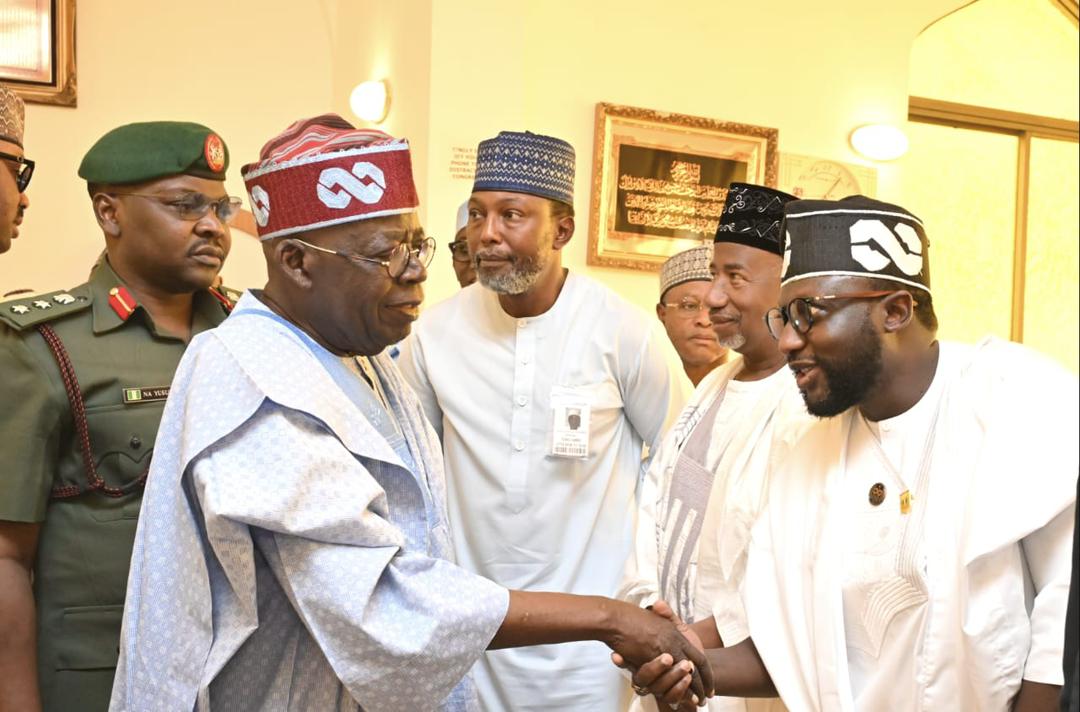
Rt. Hon. Comrade Hafiz Kawu, OON, mni, Executive Commissioner (Technical) of the National Pension Commission (PenCom), has congratulated President Bola Ahmed Tinubu on his overwhelming victory at the 2026 All Progressives Congress (APC) Presidential Primary Election, describing the outcome as a clear endorsement of the President’s leadership and reform-driven administration.
Kawu, a former member of the House of Representatives who represented Tarauni Federal Constituency of Kano State, said the President’s victory was not only historic but also a reflection of the growing confidence Nigerians have in the Renewed Hope agenda.
President Tinubu secured a massive victory in the nationwide direct primary election conducted across the country’s 8,809 wards, polling over 10 million votes to defeat his challenger, Mr. Stanley Osifo.
Reacting to the result, Kawu said the election demonstrated the strength of Nigeria’s democratic process and the willingness of Nigerians to stand behind a leader they believe is committed to national progress.
According to him, the President’s decision to participate in an open and transparent direct primary election despite being the incumbent leader showed rare courage, humility, and democratic conviction.
He noted that President Tinubu could easily have relied on the influence of incumbency but instead chose to subject himself to the will of party members and ordinary Nigerians through a grassroots voting process.
Kawu praised the President for championing reforms that strengthened internal party democracy, saying the direct primary system gave millions of Nigerians a sense of participation and ownership in the political process.
The PenCom Commissioner further commended the Tinubu administration for implementing policies and reforms aimed at repositioning the country’s economy, improving infrastructure, strengthening institutions, and enhancing workers’ welfare through measures such as the new national minimum wage.
He stated that many Nigerians were beginning to see the practical impact of the administration’s policies, adding that the outcome of the primary election reflected public appreciation for the President’s efforts.
Kawu also described Tinubu as a leader with a strong vision for national development and unity, stressing that the renewed mandate from party members should serve as further motivation to continue delivering democratic dividends to Nigerians.
He reaffirmed his support and loyalty to the President’s administration and prayed for divine wisdom, strength, and guidance for the President as he continues to steer the affairs of the nation.
Kawu concluded by expressing optimism that Nigeria would continue to witness growth, stability, and progress under President Tinubu’s leadership.
Dogara Commends Tinubu’s Resounding APC Primary Victory
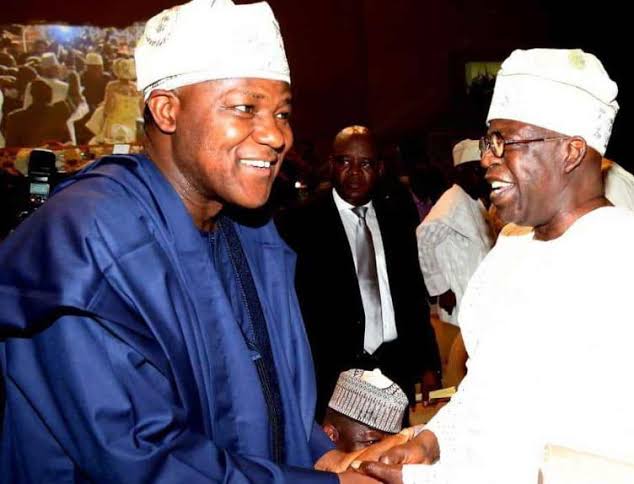
Former Speaker of the House of Representatives, Rt. Hon. Yakubu Dogara, CFR, has described President Bola Ahmed Tinubu’s landslide victory in the All Progressives Congress (APC) presidential primary as a defining moment in Nigeria’s democratic journey.
Dogara, who served as Bauchi State Coordinator and Collation Officer while also sitting on the national Presidential Primary Election Committee, said the outcome was not just a win for Tinubu but a triumph for grassroots democracy. He congratulated the President on behalf of Bauchi State and in his capacity as a member of the committee, calling the victory extraordinary, historic, and thoroughly deserved.
The final results revealed Tinubu’s overwhelming mandate: 10,999,162 votes across Nigeria’s 36 states and the Federal Capital Territory, compared to just 15,503 for his sole challenger, Stanley Osifo. For Dogara, this margin was more than a statistic; it was a declaration of trust from millions of APC members nationwide. He noted that nearly eleven million Nigerians had risen as one to affirm a leader who had earned their confidence, describing the outcome as a movement rather than just a result.
Dogara commended the election committee, chaired by former SGF Pius Anyim and including respected figures such as Ken Nnamani, Victor Ndoma-Egba, and Idris Wada, for ensuring transparency, credibility, and fairness throughout the process. He said the committee had been given a sacred mandate to guarantee integrity and was proud that it discharged that responsibility faithfully.
He also highlighted Tinubu’s decision to subject himself to direct primaries under the Electoral Act 2026, which abolished delegate voting and empowered millions of party members at the grassroots. Dogara stressed that Tinubu could have relied on the powers of incumbency but instead chose to stand before the people. He described this as humility and character, noting that Tinubu had signed the law, championed the reforms, and then submitted himself to the same process, proving his commitment to democratic principles.
In his closing remarks, Dogara urged Tinubu to carry the weight of the people’s confidence with integrity and purpose. He reminded the President that nearly eleven million Nigerians had entrusted him with their hopes, calling it a responsibility of historic proportions. He charged Tinubu to fulfill that mandate faithfully, declaring that history is watching and that Nigerians are proud.
Senator Monguno Delivers Monguno LGA for President Tinubu
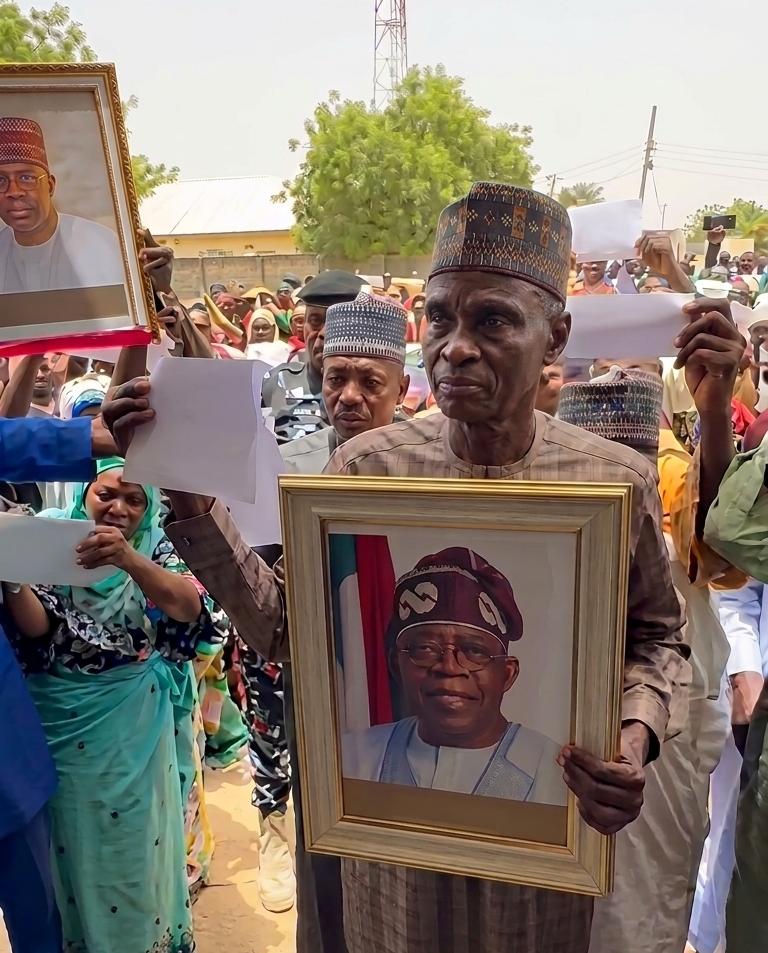
Senator Mohammed Tahir Monguno, Chief Whip of the Senate and distinguished representative of Borno North Senatorial District, has once again proven his political dexterity and grassroots command by delivering Monguno Local Government Area overwhelmingly for President Bola Ahmed Tinubu during the All Progressives Congress (APC) Presidential Primaries.
The primaries, conducted in a peaceful and transparent atmosphere, drew massive participation from party faithful, stakeholders, youth groups, and women across Monguno LGA. The exercise was marked by unity, discipline, and enthusiasm, as members reaffirmed their loyalty to the APC and their unwavering commitment to the Renewed Hope Agenda championed by President Tinubu.
Senator Monguno, addressing the gathering, commended the people for their steadfastness and collective spirit. He emphasized that the success of the primaries was not merely a reflection of his leadership but a testament to the enduring bond between the APC and the people of Borno North. “Our strength lies in our unity, our discipline, and our loyalty to the ideals of progress and development. Together, we will continue to sustain the dominance of our great party,” he declared.
Observers noted that the outcome of the primaries further cements Senator Monguno’s reputation as a formidable political figure in Borno State. His ability to mobilize diverse groups – from traditional leaders and community stakeholders to youth and women organizations – underscores his deep connection with the grassroots and his commitment to inclusive leadership.
The primaries also highlighted the growing confidence of the people in President Tinubu’s administration. Many participants expressed optimism that the Renewed Hope Agenda would bring lasting development, security, and prosperity to the region. The atmosphere was charged with chants of solidarity and renewed determination to ensure the continued success of the APC at both state and national levels.
Political analysts have described Monguno’s achievement as a strategic boost for the APC in Borno State, reinforcing the party’s dominance and strengthening its prospects for future contests. The senator’s role in coordinating the primaries has been widely praised as an example of effective leadership and organizational skill.
As the APC consolidates its position across Nigeria, the Monguno LGA primaries stand as a clear demonstration of the party’s resilience and the people’s trust in its vision. Senator Monguno’s influence, coupled with the collective will of Borno North, has once again positioned the district as a stronghold of support for President Tinubu and the APC.
With this successful outing, Borno North remains united, resolute, and firmly committed to advancing the progress of the party and the nation under the leadership of President Bola Ahmed Tinubu.
KUMO CONGRATULATES TINUBU ON PRIMARY VICTORY: “NIGERIA HAS FOUND IN YOU A LEADER WORTHY OF HER TRUST “
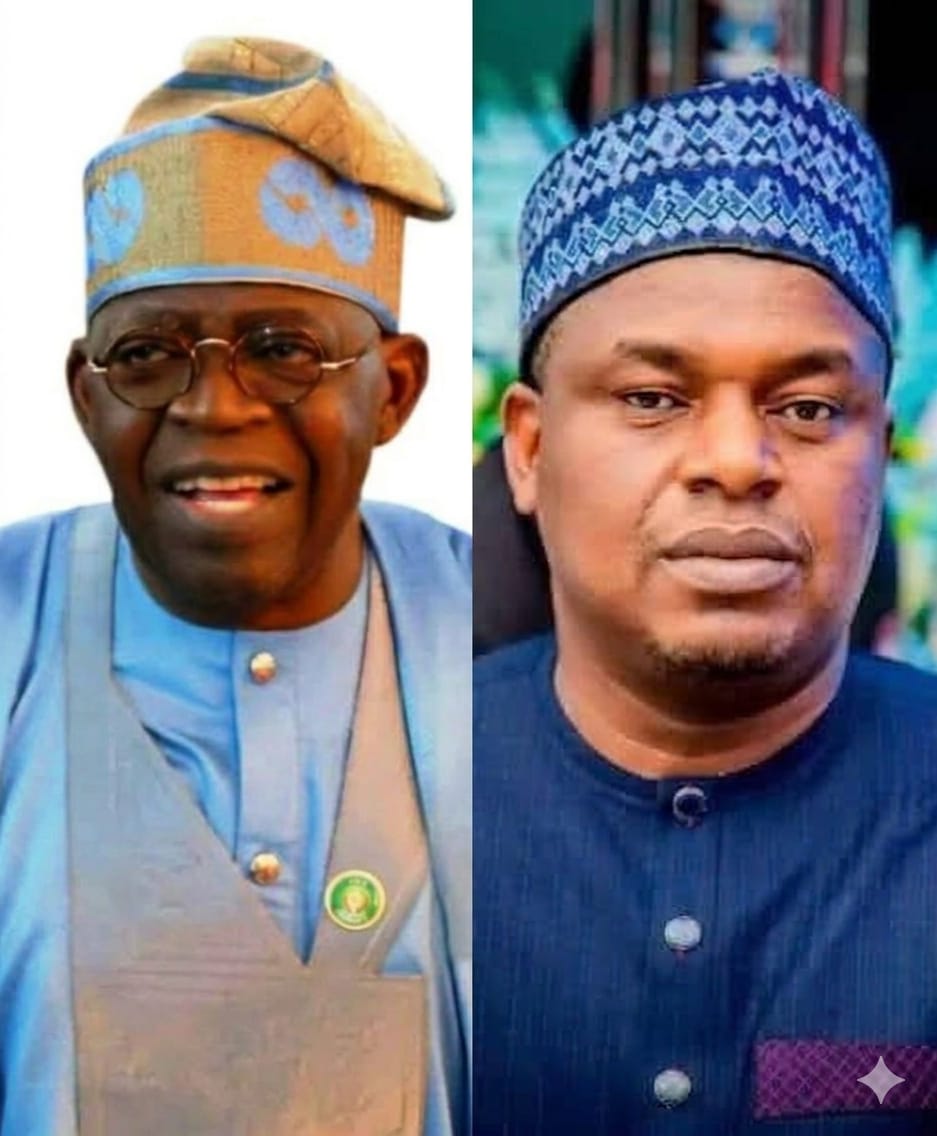
Hon. Hamma-Adama Ali Kumo, popularly known as “Dattuwa”, Deputy National Financial Secretary of the All Progressives Congress (APC) and Chairman of the Governing Board of the Industrial Training Fund (ITF), has congratulated President Bola Ahmed Tinubu on his landslide victory at the 2026 APC Presidential Primary Election.
In a warm and heartfelt message, Kumo described the President’s victory as a clear and resounding endorsement by millions of ordinary Nigerians who have seen, felt, and believed in his leadership.
“Mr. President, today the people have spoken. From the North to the South, from state to state and ward to ward, APC members came out in their millions to say — we are with you. This victory belongs to every Nigerian who believes in a better tomorrow,” Kumo said.
He praised President Tinubu for the courage and humility he demonstrated by subjecting himself to the democratic process — choosing to stand and be elected rather than using the power of incumbency to sidestep the people’s verdict.
“You are a President who could have taken the easy road. Instead, you opened the door to all, welcomed a challenger, and stood before the Nigerian people to be judged. That is the mark of a true democrat, and we are proud of you,” he said.
Kumo also celebrated the Electoral Act 2026 — signed by the President — which abolished the delegate system and empowered grassroots party members across all 8,809 wards to vote directly for their preferred candidate. He described it as one of the most important gifts any President has given to Nigerian democracy.
“You did not just talk about democracy. You legislated for it, and then you lived by it. That consistency of character is what sets you apart,” Kumo added.
As a member of the APC’s National Working Committee and Chairman of the ITF Governing Board — a position he holds by the confidence of the President — Kumo said he remained fully committed to supporting the Tinubu administration in delivering on its Renewed Hope agenda for all Nigerians.
He closed with a personal charge to the President.
“Your Excellency, the mandate is yours. The people trust you. Go and finish the work. Nigeria is counting on you, and we are all standing firmly behind you.”
CBIAMEC Elects New Executives as National Coordinator, Onomuodeke Unveils Seven-Point Agenda
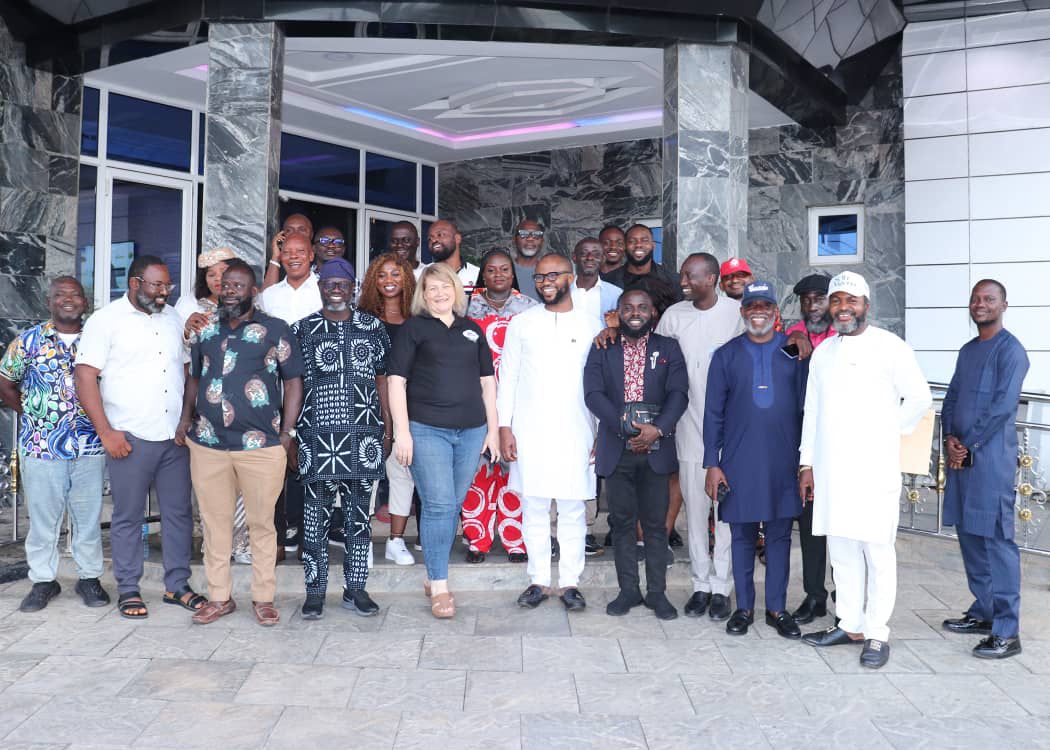
The CSO Budget Implementation, Assessment, Monitoring and Evaluation Committee (CBIAMEC) has on Friday, elected new executives to pilot the affairs of the committee, with Comrade Patrick Ogheneyero Onomuodeke, emerging as the newly elected National Coordinator.
The election, which drew members, stakeholders, and observers from different sectors, marked a significant transition in the leadership structure of the committee and reaffirmed its commitment to transparency, accountability, inclusion, and effective project monitoring across the country.
Other officers were also elected into key positions including General Secretary, Head of Operations, Head of Legal, Head of Media, among others.
Speaking shortly after the election, Comrade Patrick Ogheneyero unveiled a seven-point agenda aimed at repositioning the committee for greater efficiency, visibility, and impact. According to him, the agenda will focus on strengthening institutional capacity, promoting transparency in budget implementation processes, improving collaboration with relevant stakeholders, enhancing media visibility, deepening citizen engagement, promoting inclusiveness, and ensuring effective monitoring and evaluation of projects and policies.
He stressed the importance of unity, professionalism, and dedication among members, noting that civil society organizations must continue to play active roles in promoting good governance and accountability in the country.
The newly elected National Coordinator further pledged to run an open, inclusive, and result-driven administration that would prioritize teamwork, transparency, and national development.
The election also witnessed the presence of notable observers and stakeholders, including Comrade Adodo Solomon, Chairman Public and Private Partnership, as well as international development expert, Mrs. Tamara Jensin, President and Chairman Arc-royal International, alongside other dignitaries.
Members of the committee expressed optimism over the emergence of the new executives, describing the development as a fresh opportunity to reposition the organization and strengthen its relevance within the civic and governance space.
The event concluded with goodwill messages and renewed commitments by members to work collectively toward achieving the vision and objectives of the committee.
Nasarawa Bye- Election: I’m in Senate Race to Lift Nasarawa North Out of Poverty- Ayas
From Abel Zwanke, Lafia
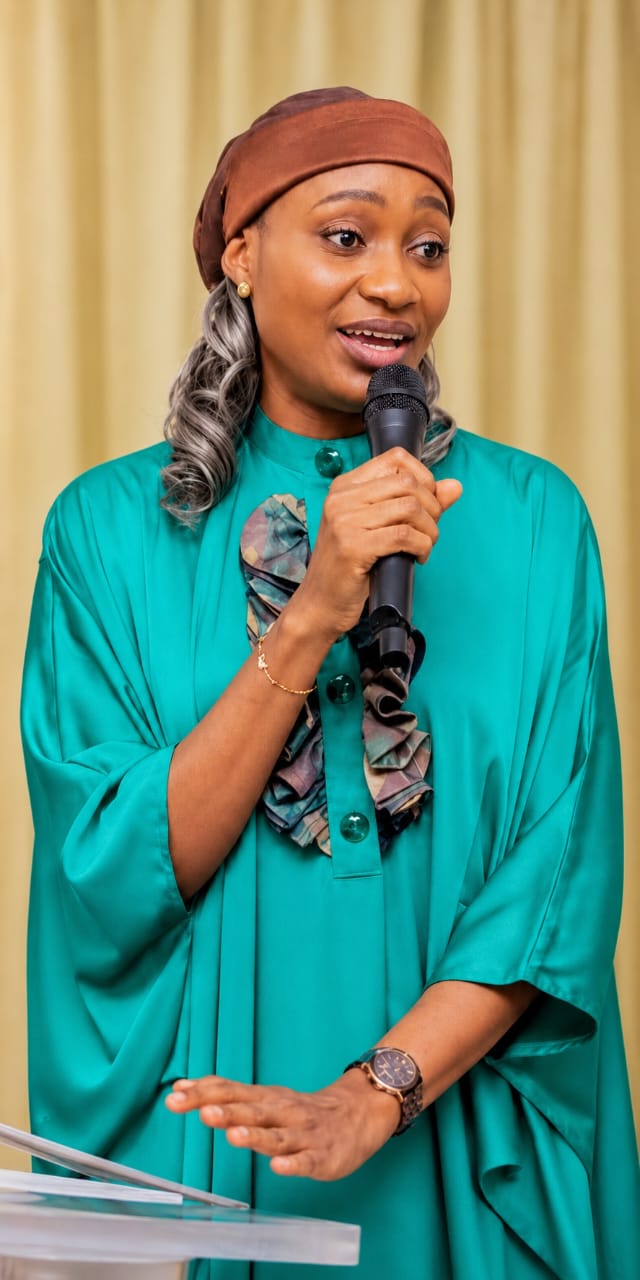
Angela Ayas Bako, an All Progressives Congress (APC) aspirant for the Nasarawa North Senatorial by-election, has said her ambition is driven by a commitment to lift residents out of poverty through economic empowerment and investment-focused policies.
Speaking on Saturday during an interview on Options FM Radio, Akwanga, Bako said her private sector background informed her understanding of wealth creation and policy impact on citizens.
“I feel a deep sense in my heart to take them out of poverty,” she said.
She explained that her professional experience in banking and the capital market exposed her to how policies influence economic growth and opportunities.
“I worked in the bank for 13 years and moved to the capital market,” she stated, adding that the exposure revealed gaps in development outcomes for ordinary citizens.
Bako said she observed disparities in economic opportunities across regions and stressed the need for stronger inclusion of youths in governance and development.
She noted that many educated young people in Nasarawa North remain unemployed and impoverished despite their academic qualifications.
“People that are well read are still poor,” she said, adding that this motivated her decision to join the senatorial race.
The APC aspirant insisted that youth and women must play a greater role in leadership, arguing that age and gender should not be barriers to political participation.
“Senate is not for older men alone,” she said, maintaining that younger Nigerians are capable of effective representation.
She dismissed concerns about challenges facing women in politics, saying leadership requires courage and risk-taking.
“I don’t see challenges as limitations,” she said. “Every step you take in life is a risk.”
Bako identified agriculture, solid minerals, and investment opportunities as key sectors that could transform Nasarawa North’s economy if properly harnessed.
She stressed the need for infrastructure, including roads and post-harvest systems, to attract investors and boost productivity in the region.
“We must ask ourselves if we have the right structures in place,” she said, noting that development must go beyond rhetoric.
Bako also pledged to continue developmental projects initiated by the late senator Godiya Akwahshiki representing the district, describing her ambition as a continuation of service to the people.
Aondoakaa, a Leader Who Opens Doors: My Personal Story of Chief Michael Kaase Aondoakaa, SAN
By Iorwuese Tyopev, PhD
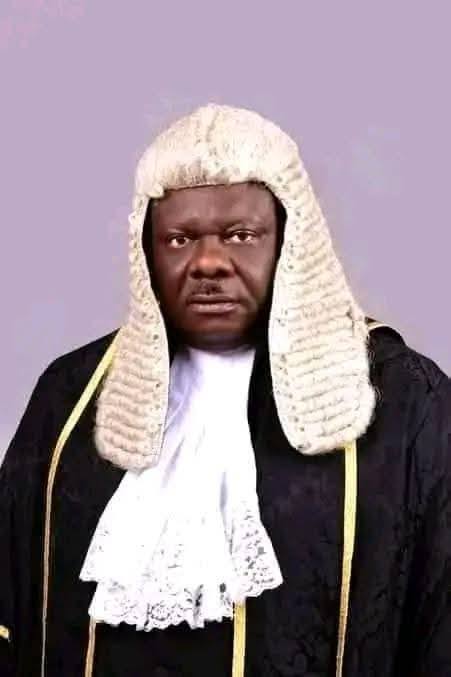
Chief Michael Kaase Aondoakaa, SAN, is, in my experience, a transformational leader, and I can personally testify to this from years of direct engagement with him.
Although I initially knew him only casually as an elder brother from Ushongo, our relationship deepened when I approached him to patronise the business I managed as a hotel manager in Abuja. From that point, Siman Suites in Garki became his preferred accommodation whenever he was in the Federal Capital Territory.
Each time he was travelling to Abuja, his usual call would come: “Tyopev, my brother, please keep a room for me, I’m on my way.”
A defining moment in 2006
One of the most memorable moments in our relationship came in 2006 when he was conferred with the rank of Senior Advocate of Nigeria (SAN). For his swearing-in ceremony at the Supreme Court, he booked almost the entire hotel for family, friends, and well-wishers who travelled from far and near to celebrate with him.
Beyond the business value, his consistent patronage strengthened my professional standing at the time and positively influenced my performance evaluation at work.
Continued relationship in public service
Our relationship continued after his appointment as Attorney General of the Federation and Minister of Justice in July 2007 under the administration of President Umaru Musa Yar’Adua.
Coincidentally, around the same period, my late boss, Senator J.I. Akaagerger, was elected into office and invited me to serve as his Senior Legislative Aide at the National Assembly. Chief Aondoakaa also expressed interest in bringing me into the Ministry of Justice as an aide. Although I chose to remain with my principal at the National Assembly, he respected my decision and maintained a cordial, brotherly relationship with me.
Prison decongestion intervention
Shortly after assuming office as Minister, he launched a prison decongestion initiative. In September 2007, I submitted an application requesting allocation of prison decongestion cases. He immediately asked whether I had legal representation, and upon confirmation, he promptly assigned several cases to me.
That support continued throughout his tenure until 2010.
Career support and mentorship
By mid-2008, I expressed dissatisfaction with my role at the National Assembly. He advised patience and assured me of better opportunities.
True to his word, in January 2009, he informed me of an opportunity with Dr Paul Orhii, then Director-General of the National Agency for Food and Drug Administration and Control (NAFDAC), who agreed to engage me as Special Assistant.
Although I resumed duty, I was later informed—within 30 days—that my services were no longer required due to a change in preference. Chief Aondoakaa was abroad at the time, but upon his return, he reassured me, saying: “Don’t worry, another opportunity will come.”
New opportunity at NAPTIP
Shortly after, I was invited to his residence in Apo, where I met Barr. Simon Chuzi Egede, MON, who had just been appointed Executive Secretary of the National Agency for the Prohibition of Trafficking in Persons (NAPTIP).
There, I was informed that I would serve as Special Assistant to the new Executive Secretary.
In a remarkable turn of events, I received my appointment letter the next day as Special Assistant at Grade Level 16 Step 5, along with an official vehicle and chauffeur. I was also integrated into top management committees and exposed to both national and international engagements.
End of an era and lasting gratitude
Following the death of President Yar’Adua in 2010 and subsequent political changes, Chief Aondoakaa left office as Minister, which also affected my position at NAPTIP due to its political nature.
Looking back, I remain deeply grateful to Chief Michael Kaase Aondoakaa, SAN, for his loyalty, mentorship, and willingness to uplift others.
Some leaders inspire with words; others transform lives through action. Chief Aondoakaa, in my experience, belongs firmly to the latter category.
NB: This is Part 1 of a series of reflections on my personal experience with MKA, highlighting his mentorship and support to those around him, shared in anticipation of his birthday on June 12.
Hon. Jaafaru Yakubu Declared Winner of Bali/Gassol Federal Constituency in Taraba
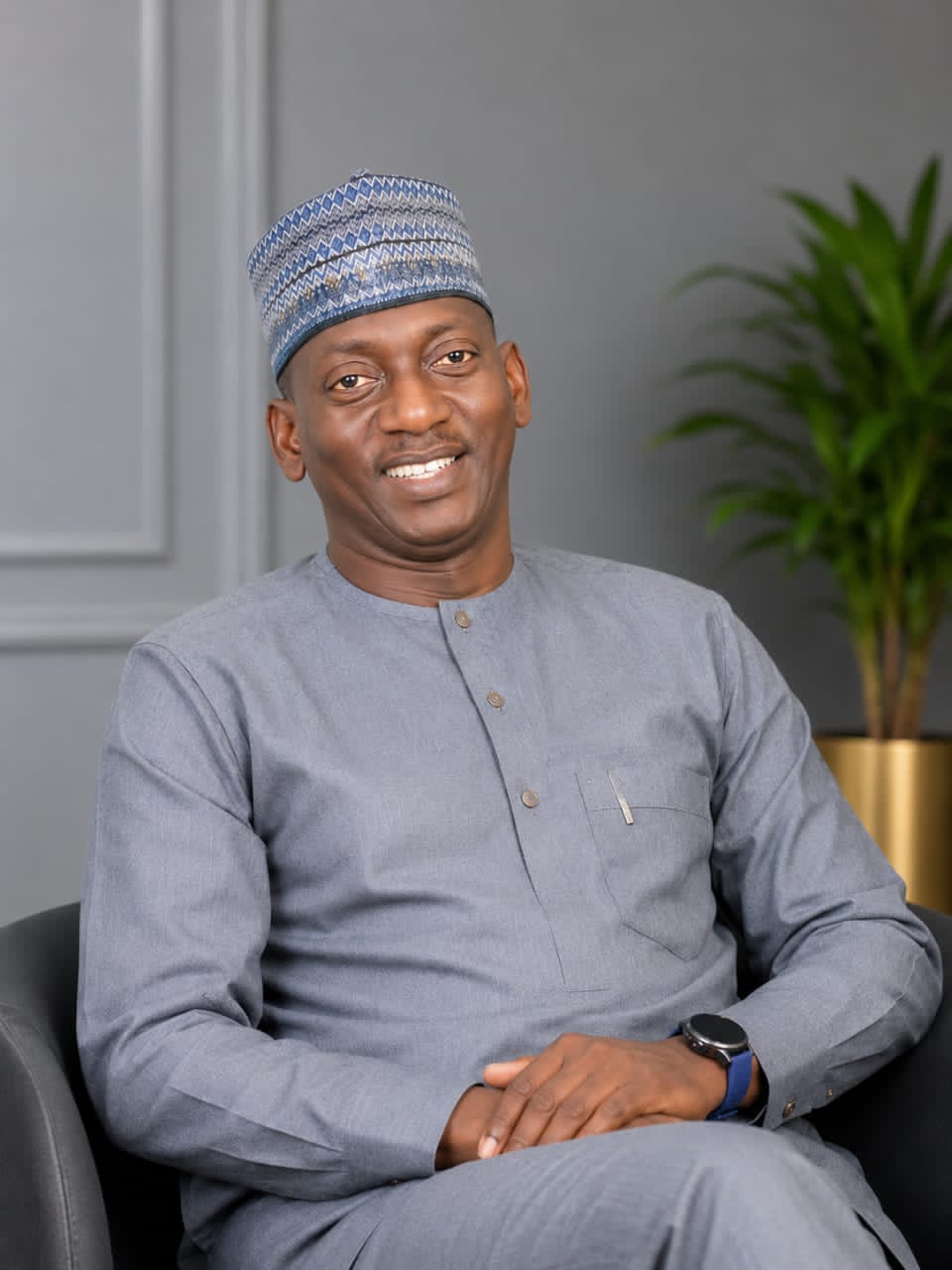
Hon. Jaafaru Yakubu, Chairman of the House Committee on Nigeria-China Friendship Group, has been declared the winner of the APC primary elections for the Bali/Gassol Federal Constituency in Taraba State. His victory reflects the overwhelming support of voters across the constituency, who have entrusted him once again with the responsibility of representing their interests at the National Assembly.
Since his election into the House of Representatives, Hon. Jaafaru Yakubu has distinguished himself as a legislator of vision and purpose. His leadership of the Nigeria-China Friendship Group has been instrumental in strengthening bilateral ties, particularly in areas of trade, infrastructure, and technology. He has consistently demonstrated the ability to balance international diplomacy with grassroots development, ensuring that his constituency benefits from both global partnerships and local initiatives.
Hon. Yakubu is widely respected for his integrity, accessibility, and people-centered approach to governance. Voters describe him as approachable and transparent, qualities that have earned him trust and loyalty. His interventions in education, road construction, and youth empowerment have provided vital opportunities for rural communities in Taraba, connecting them to broader national development. His consistency in legislative duties and his reliability as a representative have further cemented his standing as a dependable voice in the House of Representatives.
His victory at the primaries is not just a political achievement but a reaffirmation of his commitment to service. Hon. Jaafaru Yakubu’s re-election bid promises continuity in championing international cooperation, local development, and legislative accountability. As Taraba looks forward to stronger representation in the National Assembly, Hon. Jaafaru Yakubu stands out as a leader who combines vision, diplomacy, and grassroots connection to deliver meaningful progress for Bali/Gassol and Nigeria at large.
FG’s reforms require consistency, continuity – TMG backs Tinubu’s re-election
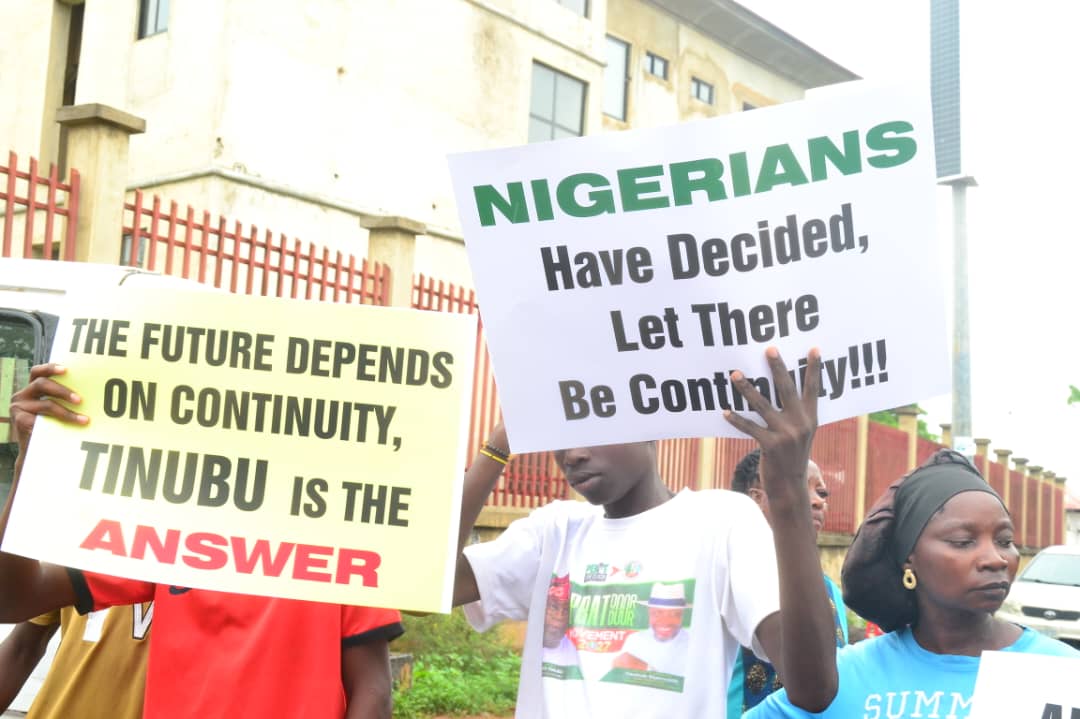
The nation’s capital, Abuja, witnessed a massive political gathering on Tuesday as thousands of supporters under the umbrella of the Tinubu Mega Group (TMG) staged what organisers described as a “National Unity Rally” in support of President Bola Ahmed Tinubu and his re election bid ahead of the 2027 presidential election.
The rally, which attracted participants from across the 36 states and the Federal Capital Territory, brought together over 1,500 groups comprising professionals, civil society organisations, youth associations, religious leaders, artisans, traders, women groups, and grassroots mobilisers.
At the rally, the coalition formally presented what it described as the endorsement of “20 million Nigerians” for another four years of President Tinubu’s administration, insisting that ongoing economic and structural reforms must be sustained beyond 2027.
Addressing the gathering, the National Spokesperson of the Tinubu Mega Group, Tijani Ali Danjuma, said the rally represented the collective voice of Nigerians who believe in continuity, stability, and national progress.
According to him, despite prevailing economic difficulties and global challenges, the Tinubu administration has demonstrated courage and direction in tackling inherited national problems.
He highlighted ongoing infrastructure projects, renewed investments in local refining, economic stabilisation efforts, improved support for state governments, social intervention programmes, and reforms targeted at strengthening local governance and attracting investments.
“The student loan programme has opened new opportunities for young Nigerians. Efforts are ongoing to strengthen the naira, improve food production, and reposition the economy for long term growth,” he stated.
Danjuma added that the massive turnout at the rally was proof that support for the President cuts across regions, sectors, and religious affiliations.
“To those spreading false narratives and attempting to create division, our answer is simple, the people have spoken. Nigerians are choosing continuity over confusion and progress over propaganda,” he declared.
Also speaking at the rally on behalf of Nigerian professionals, Dr. Tabuko Kennedy said professionals across critical sectors of the economy were backing the administration because reforms require consistency and continuity to succeed.
Representing doctors, lawyers, engineers, academics, entrepreneurs, creatives, artisans, and technocrats, Kennedy argued that abandoning ongoing reforms midway could negatively affect national development.
He maintained that President Tinubu had shown commitment toward rebuilding the economy, strengthening infrastructure, improving revenue generation, supporting local industries, and creating opportunities for Nigerian youths.
“As professionals, we understand that difficult reforms are never easy at the beginning, but we also know that abandoning reforms halfway can damage national progress,” he said.
Kennedy further declared that “there is NO VACANCY in Aso Rock in 2027,” a statement that drew loud cheers from supporters at the venue.
The Christian community was represented by Bishop Kola Oyedepo, who described the current phase of Nigeria’s development as a period requiring patience, sacrifice, wisdom, and collective responsibility.
The cleric noted that leadership often demands difficult decisions and urged Nigerians not to allow bitterness, division, or destructive politics to derail ongoing efforts aimed at repositioning the country.
According to him, reforms initiated under President Tinubu, including economic restructuring, infrastructure development, educational support through student loans, and efforts to improve local refining capacity, were necessary foundations for a stronger Nigeria.
“Every wise builder must first lay a solid foundation. Nigeria today is in the process of rebuilding and restructuring its foundation for a stronger future,” the bishop stated.
He urged Nigerians to continue praying for the country and its leaders while reiterating support for continuity in governance.
“There is NO VACANCY in Aso Rock in 2027,” he added.
Similarly, Islamic cleric Sheik Abubakar Mustapha called for patience, peace, unity, and support for national development efforts.
The Imam acknowledged the economic and social challenges facing the country, but stressed that meaningful reforms require time, perseverance, and courageous leadership.
He commended the administration’s focus on infrastructure, education support initiatives, governance reforms, and local refining projects aimed at strengthening national productivity.
“We must not allow division, hatred, or politics of bitterness to weaken our country. Instead, we must support unity, peaceful coexistence, and responsible leadership,” he said.
Mustapha also aligned with the position of the organisers, insisting that Nigerians who desire stability and sustained development understand that “there is NO VACANCY in Aso Rock in 2027.”
Observers described the rally as one of the largest political mobilisation efforts witnessed in Abuja in recent months, with participants carrying banners, placards, and campaign materials bearing inscriptions such as “20 Million Nigerians Support Tinubu,” “Continuity for National Development,” and “One Voice, One Vision, One Nigeria.”
The rally ended peacefully with prayers for national unity, economic recovery, and sustained democratic governance in Nigeria.
APC Reps Primary: Akpanke Wins Bekwarra/Obudu/Obanliku Ticket
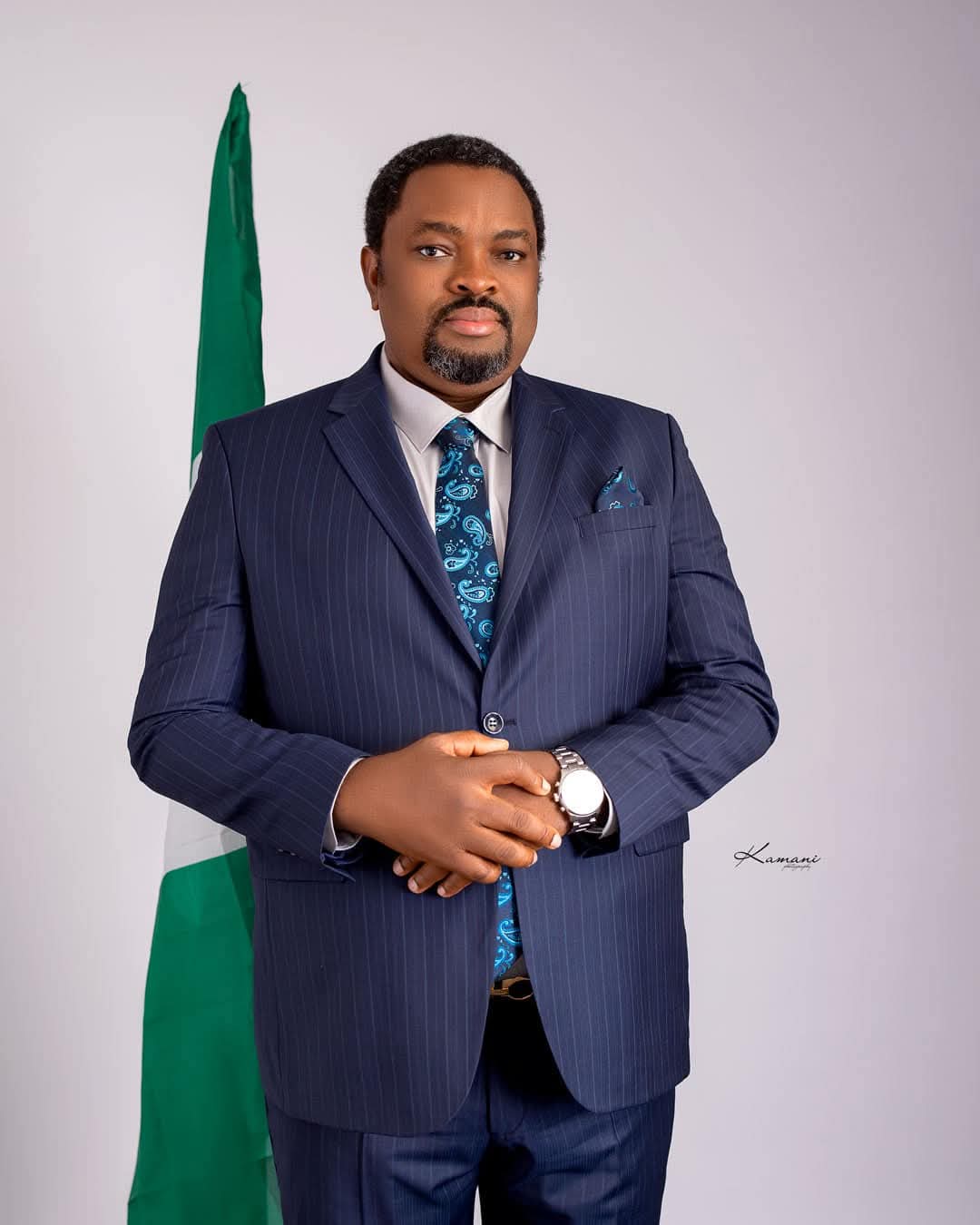
Over the weekend, Hon. Peter A. Akpanke emerged victorious in the All Progressives Congress (APC) House of Representatives primary election for the Bekwarra/Obudu/Obanliku Federal Constituency in Cross River State after securing an overwhelming majority of votes cast across the three local government areas.
The primary election, monitored by party officials and stakeholders, recorded a total of 18,921 registered APC members and delegates across Bekwarra, Obudu and Obanliku Local Government Areas.
Official results collation which was made available to journalists showed that 16,564 valid votes were cast during the exercise, with no void votes recorded.
According to the results, Hon. Akpanke polled a total of 14,252 votes to defeat five other aspirants, with
Hon. Theresa Akwaji Ushie scoring 101 votes;
Hon. Martin Orim with 1,572 votes;
Anthonia A. Ally with 104 votes;
Dr. Vincent A. Ushie with 270 votes and
Dr. Godwin A. Agbor with 265 votes.
A breakdown of the constituency wide results showed that Akpanke secured 4,749 votes in Obanliku Local Government Area, 4,886 votes in Obudu Local Government Area, and 4,617 votes in Bekwarra Local Government Area, consolidating respectively.
Following the conclusion of the collation process, APC electoral officials formally declared Hon. Peter A. Akpanke winner of the party’s House of Representatives primary election for the Bekwarra/Obudu/Obanliku Federal Constituency.
The primary election was described by stakeholders, observers and party officials as peaceful, orderly transparent and credible, noting that the outcome reflected the will of party delegates and members across the constituency.
The primary election was conducted under the supervision of APC electoral officials who demonstrated true professionalism, with the official collation documents signed and dated May 16, 2026.