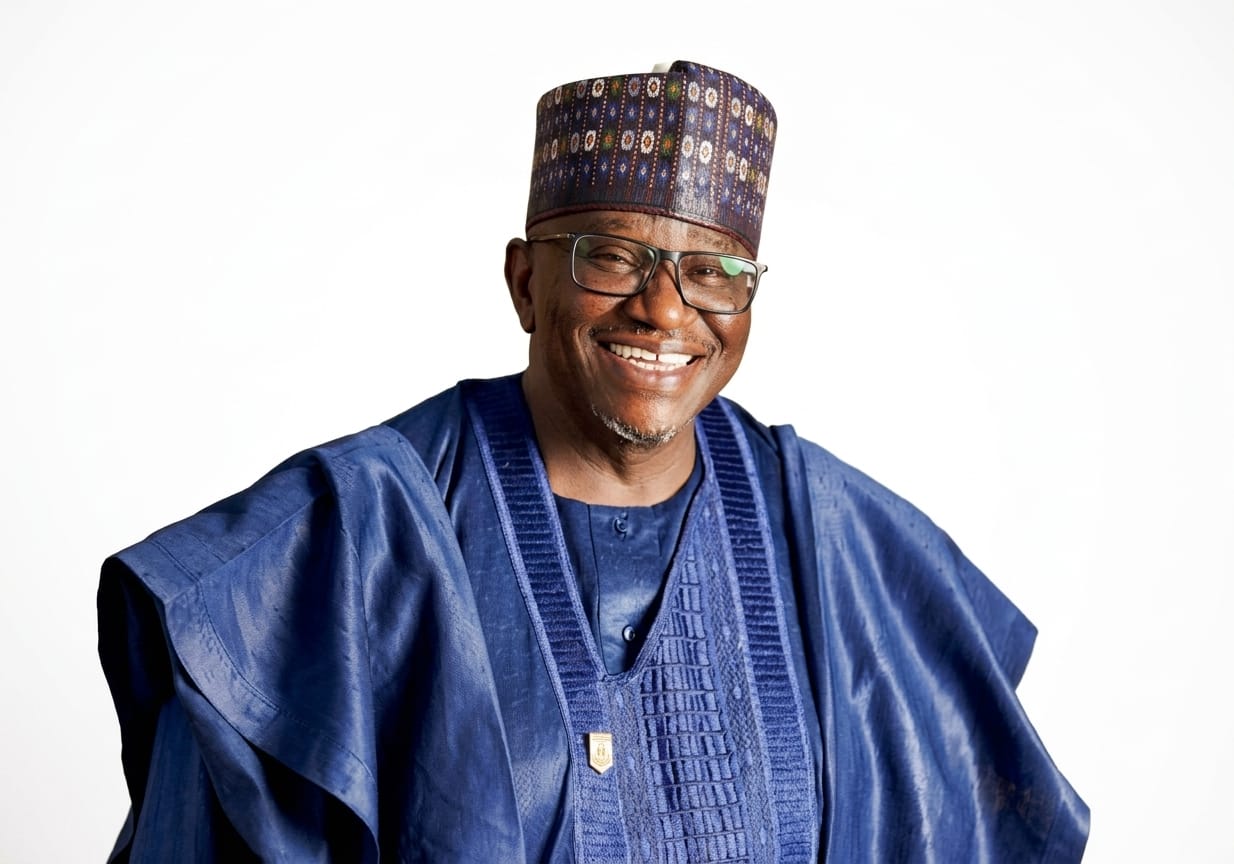
In a resounding affirmation of Nigeria’s leadership in regional commerce, Engr. (Dr.) Jani Ibrahim, mni, OON, National President of the Nigerian Association of Chambers of Commerce, Industry, Mines and Agriculture (NACCIMA), has been elected President of the Federation of West African Chambers of Commerce and Industry (FEWACCI). The election, held in Abuja on Tuesday, September 29, 2026, followed a keenly contested process that drew participation from leading business figures across the sub‑region.His election represents a significant milestone and a strong endorsement of his distinguished leadership, strategic vision, and commitment to private‑sector development. It also stands as an important achievement for Nigeria and the organised private sector across West Africa.For decades, Engr. Ibrahim has been a towering figure in Nigeria’s business landscape — a technocrat, entrepreneur, and advocate for sustainable industrial growth. His tenure at NACCIMA has been marked by pragmatic engagement with government and international partners, driving reforms that empower enterprises and strengthen the voice of the private sector.As FEWACCI President, Ibrahim is expected to advance cooperation among chambers of commerce, strengthen regional economic integration, promote intra‑West African trade, and champion policies that support enterprise growth and shared prosperity across the region. His agenda aligns with the broader vision of the African Continental Free Trade Area (AfCFTA), positioning West Africa as a dynamic hub for innovation and investment.Business leaders across the region have hailed his emergence as timely and transformative. “His election represents a significant milestone and a strong endorsement of his distinguished leadership,” said Engr. Olusola Obadimu, FNSE, FCIoD, Director General of NACCIMA, in a statement. “It reinforces Nigeria’s leadership in regional commerce and positions FEWACCI for a new era of purposeful engagement, stronger partnerships, and sustainable economic development.”Under Ibrahim’s stewardship, FEWACCI is expected to pursue initiatives that enhance competitiveness, improve trade facilitation, and empower small and medium‑scale enterprises — the backbone of West Africa’s economy. His leadership style, rooted in collaboration and strategic foresight, is anticipated to bring renewed vigor to the federation’s mission of fostering inclusive growth.Observers note that his election further cements Nigeria’s role as a driving force in regional economic policy. It signals a new chapter for FEWACCI — one defined by innovation, unity, and shared prosperity.Engr. Jani Ibrahim’s rise to the presidency of FEWACCI is not merely a personal triumph; it is a reflection of Nigeria’s enduring commitment to regional progress and the resilience of its private sector. His vision for West Africa is clear: a region where businesses thrive, borders open to opportunity, and prosperity is shared across nations.
TINUBU AND THE AUDACIOUS NORTHERN TRAJECTORYPART (1)
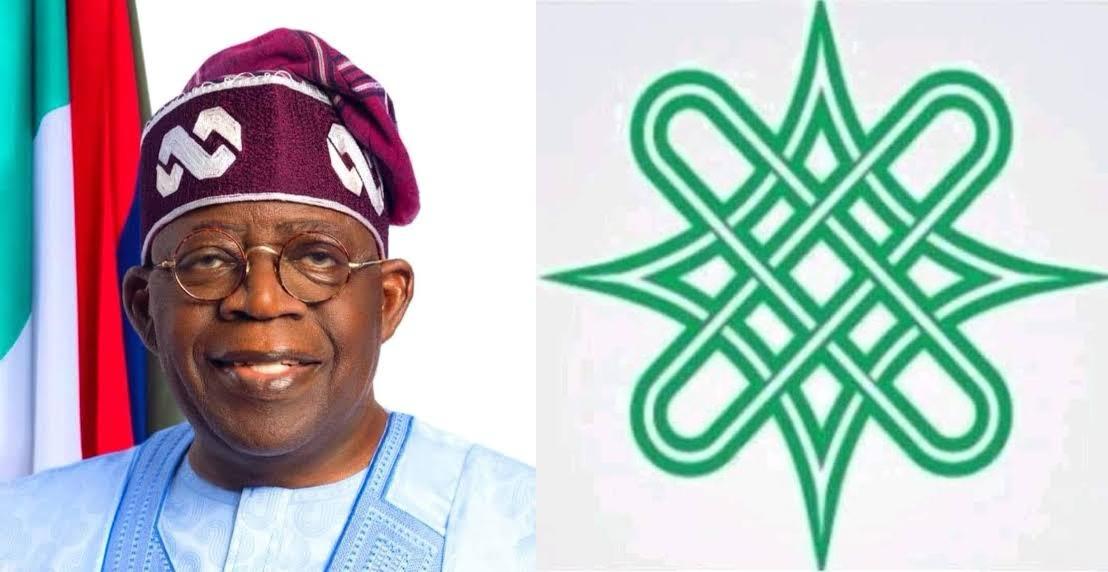
The attention of the Progressive Alliance for Justice, Unity and Democracy International Movement (PAJUD-IM) has been drawn to a growing campaign of misinformation and political propaganda in certain quarters seeking to portray President Bola Ahmed Tinubu as a leader who harbours bias against Northern Nigeria and its people.
These allegations are not only unfounded but also constitute a deliberate attempt to distort facts, mislead the public, and create unnecessary divisions among Nigerians. Such narratives deserve to be examined against the backdrop of reality rather than political sentiments.
It is indeed remarkable that President Tinubu, who was once criticized in some sections of the South-West for allegedly maintaining close political relationships with Northern leaders and stakeholders, is now being accused by some Northern political actors of favouring the South-West at the expense of the North. This contradiction exposes the weakness and inconsistency of the arguments being advanced by those determined to politicize every action and policy of government.
Before his emergence as President, Bola Ahmed Tinubu was repeatedly accused by certain ethnic and regional groups of placing national interest above sectional considerations. Some critics within his own region questioned his political alliances and engagements across the country, arguing that he was too accommodating of interests outside the South-West. Today, the same individual is being painted by another group as anti-North. Such conflicting accusations should encourage fair-minded Nigerians to separate political rhetoric from objective reality.
Nigeria is a diverse nation with over 250 ethnic groups and multiple religious identities. Governing such a country requires balance, courage, wisdom, and an unwavering commitment to national unity. No President can successfully govern Nigeria if every appointment, project, policy, or decision is viewed exclusively through ethnic, religious, or regional lenses.
Since assuming office, President Tinubu has consistently emphasized the principle that every Nigerian deserves equal treatment under the law and equal access to opportunities provided by the government. His administration has pursued policies designed to stabilize the economy, improve infrastructure, strengthen security, enhance investment opportunities, and create a more sustainable future for all Nigerians irrespective of where they come from.
While no administration is perfect and constructive criticism remains an essential component of democracy, it is important that such criticism be based on facts rather than emotions, propaganda, or political calculations. The tendency to label every policy decision as either pro-North or pro-South undermines the spirit of nation-building and weakens the foundations of national unity.
Particularly noteworthy are the efforts of the Tinubu administration in addressing security challenges that have affected various parts of the country for many years. For nearly two decades, insecurity in the form of terrorism, banditry, kidnapping, communal conflicts, and other criminal activities has posed serious threats to lives and livelihoods, especially in Northern Nigeria.
Although the security challenge remains a work in progress, there have been significant efforts by the Federal Government to strengthen the operational capacity of security agencies, improve intelligence gathering, enhance collaboration among security institutions, and support ongoing military operations aimed at restoring peace and stability across affected communities.
These efforts have not gone unnoticed. Security experts, members of the international community, traditional rulers, community leaders, and concerned citizens have acknowledged the commitment of the present administration to tackling insecurity and creating conditions for sustainable peace and development.
In recent times, a narrative has gained traction in some political circles suggesting that President Bola Ahmed Tinubu harbors ill feelings toward Northern Nigeria or has deliberately neglected the region in governance and development. Such claims, when subjected to objective scrutiny, reveal themselves as products of political mischief, selective reasoning, and deliberate attempts to sow division among Nigerians.
One cannot help but marvel at the contradictory accusations that have followed President Tinubu throughout his political journey. At one point, he was accused by some southern critics of being too close to the North, so much so that they labeled him a political ally and beneficiary of Northern interests. Today, however, some voices in the North accuse the same man of favoring the South-West and abandoning the North. The contradiction itself exposes the weakness of these allegations and demonstrates how political narratives are often shaped more by expediency than by facts.
President Tinubu’s political philosophy has, over the decades, reflected a commitment to national integration rather than regional supremacy. His political alliances, appointments, and engagements have consistently cut across ethnic, religious, and regional lines. Long before becoming President, Tinubu built relationships and political structures that transcended geographical boundaries, earning him allies and supporters in every part of the federation.
It is important to note that governance should not be assessed through the narrow prism of ethnicity or regional sentiment. The true measure of leadership lies in policies, programs, and initiatives designed to improve the lives of citizens irrespective of where they come from.
Since assuming office, President Tinubu has inherited daunting economic challenges, security concerns, infrastructure deficits, and fiscal constraints that affect every region of the country. The administration’s efforts have therefore been directed toward stabilizing the economy, attracting investment, creating jobs, improving security, and laying a sustainable foundation for long-term national growth.
The North remains one of the greatest beneficiaries of federal interventions in agriculture, transportation, road infrastructure, security operations, and social investment programs. Major infrastructure projects traversing Northern states continue to receive attention and funding. Security operations against banditry, terrorism, kidnapping, and other criminal activities have equally been intensified in many parts of Northern Nigeria. These are not the actions of a government that harbors hostility toward a particular region.
Furthermore, appointments into strategic positions within the current administration have reflected Nigeria’s federal character principle. Distinguished sons and daughters of the North continue to occupy important positions in government, contributing significantly to policy formulation and national development. While no administration can satisfy every interest group, it would be unfair and misleading to suggest that any region has been deliberately sidelined.
The challenge facing Nigeria today is not a North-South divide but the collective responsibility of rebuilding a nation confronted by complex socio-economic realities. Attempts to ethnicise governance or regionalize every policy decision only distract from meaningful conversations about development, accountability, and national progress.
History teaches us that nations prosper when their citizens embrace unity, mutual respect, and shared aspirations. Conversely, societies become weakened when political actors exploit ethnic and regional sentiments for personal or partisan gain. Nigerians must therefore resist efforts to create unnecessary divisions where none exist.
President Tinubu, like every leader, is not beyond criticism. Constructive criticism is an essential component of democracy and good governance. However, criticism should be based on facts, policy outcomes, and measurable performance rather than unfounded allegations rooted in ethnic or regional prejudice.
It is on record, with empirical evidence that the present Tinubu’ administration has a seamless relationship with the northern elites and oligarchs dating back to several years; the president has also built long-standing bridges with the northern traditional rulers, institutions, clergies and local community leaders; while since taking over the mantle of leadership, the administration has effortlessly transformed and built several infrastructures more than any Nigerian leader in the region. Our organisation (PAJUD- IM) can authoritatively state, that the Tinubu administration has continued to build on the legacies of the founding fathers such as Sir Ahmadu Bello, Sir Abubakar Tafawa Balewa, Muhammadu Ribadu, Sir Kashim Ibrahim, Alh Ibrahim Musa Gashua, HRH Usman Nagogo, and Mallam Aminu Kano. The President has endeared and entrenched himself to the political class, traditional institutions including the Talakawas in spite of the handwork of fifth columnists and agents provocateurs. All our military institutions, installation and architecture including infrastructure has been enhanced, developed and a lot more established in the region and of course, the present administration has developed the North than any other region in the country since independence this can be verified by Nigerians as at today.
At this critical stage of our national development, Nigerians must rise above sectional considerations and evaluate leadership based on competence, vision, and commitment to the collective good. The task before the nation is too important to be reduced to divisive narratives that serve neither the North, the South, nor the country as a whole.
The question therefore remains: Does President Tinubu really hate the North? An objective assessment of his political history, governance approach, appointments, and policy initiatives suggests otherwise. What is evident is a leader confronted with enormous national challenges and striving, within the limits of available resources, to address them for the benefit of all Nigerians.
Rather than amplifying narratives of division, Nigerians should unite in support of policies and initiatives that promote peace, economic prosperity, security, and national cohesion. Our strength as a nation lies not in our differences but in our ability to work together toward a common destiny. Long live Nigeria.
Signed.
Com Yakubu Dan Abba
Country Representative, PAJUD.
Rt Hon. Yakubu Dogara, CFR hails Senator Abdul’aziz Abubakar Yari @ 58: A legacy of courage, unity, and transformative leadership
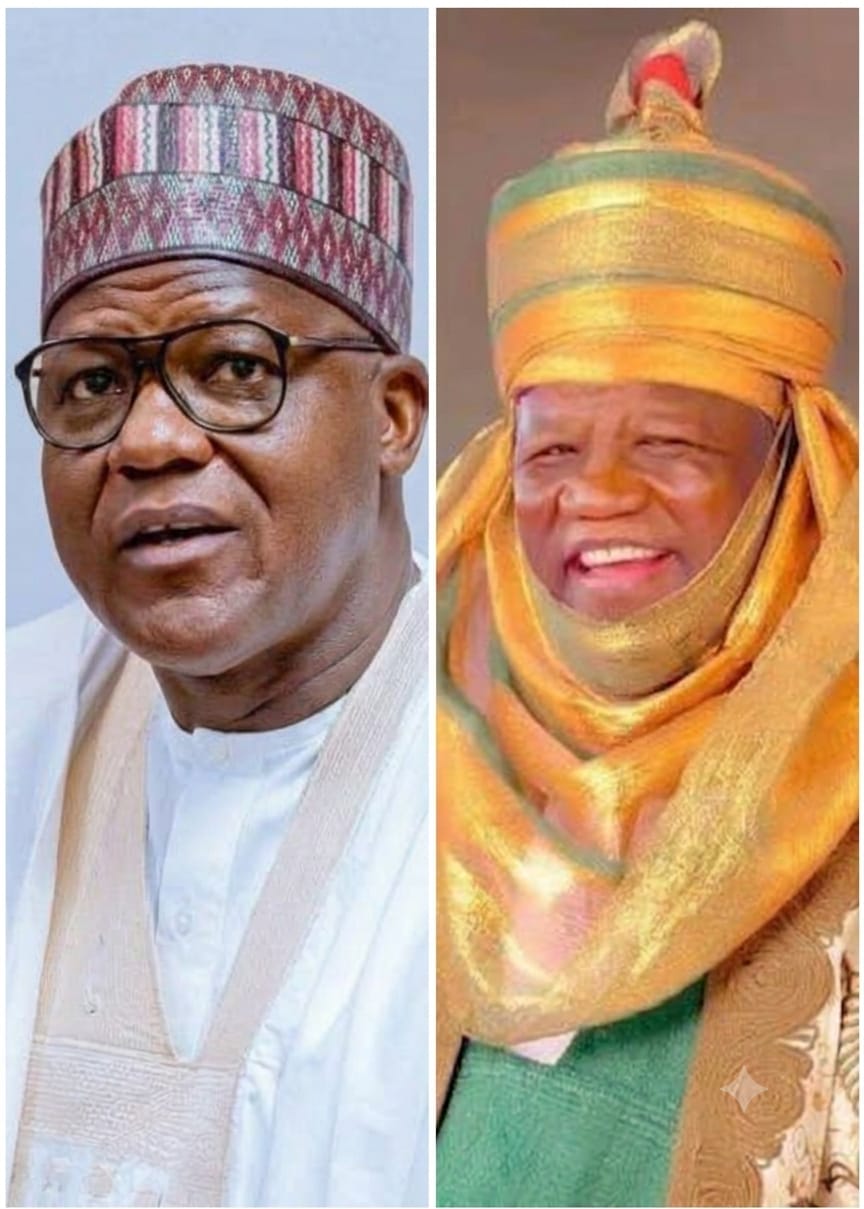
As Senator Abdul’aziz Abubakar Yari marks his 58th birthday, tributes have poured in from across the political spectrum. Among the most heartfelt is that of Rt Hon. Yakubu Dogara, CFR former Speaker of the House of Representatives and Chairman of the Board of the National Credit Guarantee Company Limited (NCGC), who described Yari as “a leader whose life embodies courage, humility, and an unwavering devotion to Nigeria’s progress.”
Born on September 28, 1968, Senator Yari’s journey through public service has been one of resilience and impact. From his early political engagements in the 1990s, to his tenure as Governor of Zamfara State between 2011 and 2019, and now as Senator representing Zamfara West since 2023, Yari has consistently demonstrated the qualities of a leader who places service above self. Dogara, reflecting on Yari’s trajectory, noted that his leadership qualities were the very reason he was entrusted with the responsibility of serving as Director‑General of the Presidential Campaign. “Senator Yari is a leader who unites people, inspires trust, and delivers results. His devotion to accountability and his passion for the welfare of the people are qualities that cannot be ignored. He is a man whose word is his bond, and whose actions speak louder than promises,” Dogara said.
The former Speaker emphasized that Yari’s leadership style is anchored on inclusiveness and emphaty, qualities that have earned him respect across political divides. “He is more than a colleague; he is a brother and a patriot whose contributions will continue to shape Nigeria’s democratic journey. His ability to inspire confidence and bring people together is what sets him apart,” Dogara remarked.
Beyond politics, Dogara praised Yari’s generosity of spirit and his unwavering commitment to the progress of Nigeria. He described him as a man who has consistently invested his energy in building bridges, fostering unity, and ensuring that governance remains people‑centered. “Senator Yari’s journey is a testament to what can be achieved when emphaty meets opportunity. His leadership is proof that service anchored on values always triumphs,” Dogara added.
As the celebrant turns 58, Dogara offered prayers for his continued strength and wisdom. “May the Almighty continue to bless Senator Abdul’aziz Yari with wisdom, strength, and good health. May his path remain illuminated, and may his service to our beloved country inspire generations yet unborn,” he said.
Senator Yari’s story is one of dedication and vision. From Zamfara to the national stage, his years of service — Governor (2011–2019), Senator (2023–present) — reflect a commitment to leadership that is both enduring and transformative. His birthday is not just a personal milestone, but a reminder of the values of empathy, generousity, and patriotism that Nigeria needs in its leaders.
AtikuGate: Coalition Urges EFCC To Probe Allegations
- Demands review of old investigation, says evidence should determine outcome
A coalition of civil society organisations has urged the Economic and Financial Crimes Commission (EFCC) to investigate allegations concerning former Vice-President Atiku Abubakar, insisting that the anti-graft agency should establish the facts and take appropriate action where evidence of wrongdoing is found.
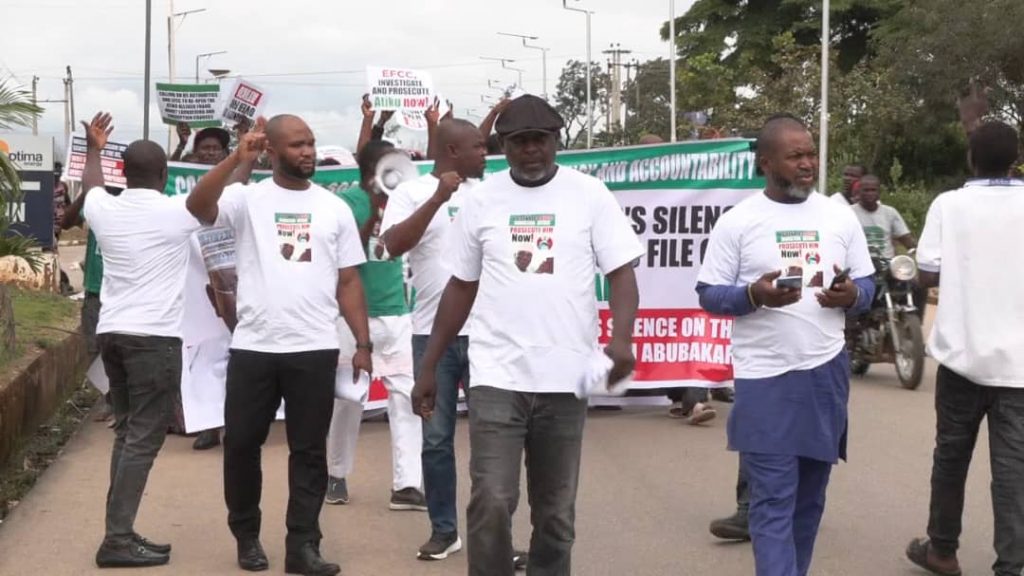
The coalition, comprising the Empowerment for Unemployed Youth Initiative, Guardians of Democracy and Development, Civil Society Groups for Good Governance, Civil Society Advocacy Group for Accountability and Probity, Independent Public Service and Accountability Watch, and Citizens for Good Governance, Rule of Law and Anti-Corruption Initiative, made the demand during a rally in Abuja.
The groups called on the EFCC to revisit relevant historical investigative materials concerning allegations against Atiku and examine any new evidence or petitions before the commission.
Addressing protesters and journalists, Convener of the coalition, Comrade Solomon Adodo, said the demand was for the EFCC to carry out its statutory responsibility without fear, favour or political interference.
“Our message to the Economic and Financial Crimes Commission is simple: Investigate credible allegations. Follow the evidence. Let the law take its course,” Adodo said.
The call comes amid renewed public attention to allegations concerning Atiku and an earlier EFCC investigation dating back to 2005–2006. A petition was reportedly submitted to the commission in August 2026 seeking a review of the matter.
The coalition questioned why allegations that had resurfaced through a fresh petition should not be examined if there was credible evidence requiring clarification.
According to the groups, the EFCC should establish what evidence exists, identify transactions requiring clarification, review the findings of previous investigations and determine whether new documents or information have emerged.
“If there is sufficient evidence of an offence, why should the law not be allowed to take its course?” the coalition asked.
The coalition called on the commission to acknowledge and transparently process properly submitted petitions, review relevant historical investigative materials and conduct further investigation where legally warranted.
It also urged the EFCC to invite persons whose testimony or clarification may be necessary, including Atiku, as part of the investigative process.
The groups further demanded that where admissible evidence establishes a prosecutable offence, the commission should proceed in accordance with the law.
They, however, said where allegations are not substantiated after investigation, the EFCC should make its findings known transparently to prevent continued reliance on rumours and political speculation.
The coalition maintained that accountability must apply to public officials and private citizens alike, arguing that political status should not determine whether allegations are investigated.
“A public figure must neither be above the law nor below the law. The same standard must apply to everyone — politicians, former public officials, businessmen, civil servants and ordinary citizens,” it said.
The groups also urged the EFCC to resist political pressure and allow evidence to determine the outcome of the matter.
“To the leadership of the EFCC therefore, we say: Do your job. Follow the money where the evidence leads. Follow the facts where the facts lead. And follow the law wherever the law leads,” Adodo said.
The coalition said its demand was ultimately about the integrity of Nigeria’s anti-corruption institutions and the consistent application of the law.
It urged the EFCC not to shield anyone from legitimate investigation, just as it warned against determining guilt through media reports rather than through evidence and established legal processes.
“Our message today is: Investigate Atiku where there is credible evidence. Investigate anyone else connected thereto, where there is credible evidence. Prosecute only where the evidence and law justify prosecution. Clear the innocent through due process,” the coalition said.
The groups concluded by calling for “no sacred cows, no political immunity and no selective justice,” insisting that evidence, due process and the rule of law should guide the EFCC’s handling of the allegations.
Prince Abdulrasheed Muideen Romeo Celebrates Senator Ajibola Basiru’s CIPM Fellowship
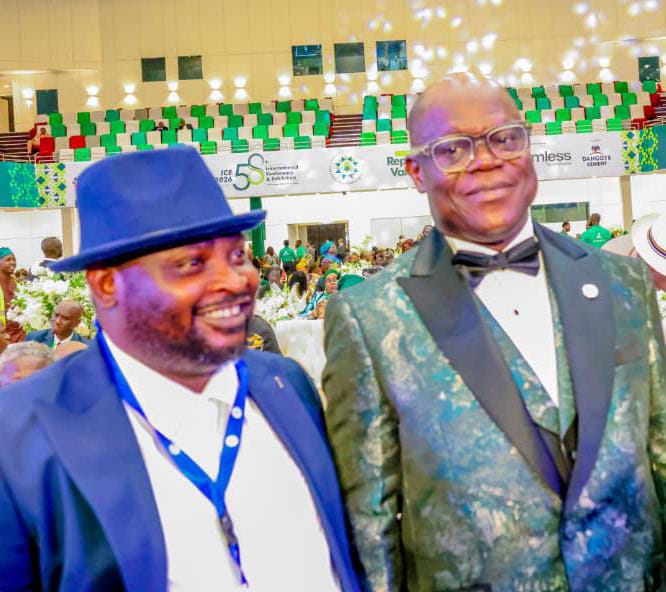
The conferment of Fellow of the Chartered Institute of Personnel Management of Nigeria (CIPM) on Senator (Dr.) Surajudeen Ajibola Basiru (SRJ) has drawn widespread commendation, with notable tributes from leaders across sectors. Among them is Prince Abdulrasheed Muideen Romeo, founder of the Prince Romeo Foundation and Chief Executive Officer of Savewell Luxurious Homes Estate Developer, one of the largest estate developers in Abuja.In his congratulatory message, Prince Romeo described Senator Basiru as a father, mentor, and guardian, praising his dedication to human development and principled leadership. “Your commitment, sacrifice, principles, and dedication to human development have earned you this prestigious intellectual award and recognition,” he stated, noting that the senator’s efforts, though often carried out privately and independently, have been widely acknowledged.Prince Romeo’s tribute is particularly significant given his own dual legacy in philanthropy and enterprise. Through Savewell Luxurious Homes, he has played a transformative role in Abuja’s real estate sector, delivering modern and sustainable housing solutions that have reshaped the city’s landscape. His company’s reputation as one of the largest estate developers in the capital underscores his influence in urban development and his commitment to providing opportunities for families to thrive.Beyond business, Prince Romeo’s foundation has championed youth empowerment, education, and community development. His recognition of Senator Basiru’s achievement reflects the synergy between public service and private enterprise — two leaders united by a shared vision of uplifting society.Senator Basiru’s conferment as a CIPM Fellow marks another milestone in a career defined by scholarship, law, and governance. Known for his intellectual depth and passion for human capital development, he has consistently promoted ethical standards and organizational excellence. The CIPM Fellowship, reserved for individuals who have made outstanding contributions to personnel management, affirms his enduring impact on Nigeria’s professional and political landscapes.Prince Romeo’s message also underscores the importance of mentorship in nation-building. “Congratulations once again, my Father, Mentor, and Guardian. You are celebrated, honored, and deeply appreciated,” he wrote, reaffirming his admiration for the senator’s guidance and moral compass.As associates and admirers continue to celebrate Senator Basiru’s achievement, Prince Romeo’s tribute stands out for its blend of reverence and professional recognition. It highlights the diverse ways leaders contribute to national progress — whether through governance, personnel development, or enterprise. Together, Senator Basiru and Prince Romeo exemplify the values of integrity, service, and vision that Nigeria needs to advance its future.
Eggon Political Forum Endorses Ombugadu as Consensus Candidate for 2027 Nasarawa Governorship Race
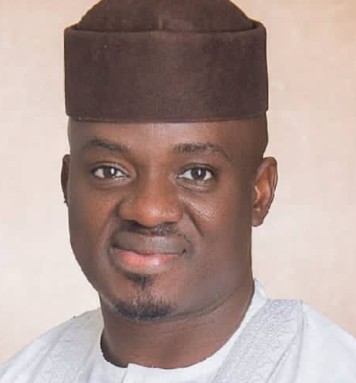
In what many observers are describing as a watershed moment in the political history of Nasarawa State, the Eggon Political Forum has officially endorsed Rt. Hon. Dr. David Emmanuel Ombugadu of the Peoples Democratic Party (PDP) as the consensus candidate of the Eggon Nation for the 2027 governorship election.The announcement was made at a grand assembly held at Albert Event Hall in Nasarawa Eggon Local Government Area, where leaders, stakeholders, and representatives of diverse groups gathered to deliberate on the future of Eggon political aspirations. The Forum, a non-partisan body devoted to fostering unity and political stability among the Eggon people, emphasized that the decision was the product of months of consultations, assessments, and feedback from across the state and beyond.The Forum acknowledged that six prominent Eggon sons had secured party tickets for the governorship contest, namely: Hon. Shuaibu Umaru Kubi (ACCORD), Gen. Nuhu Angbazo (ADC), Hon. Chris Mamman (ADP), Hon. Ibrahim Kassimu Aboh (APGA), Rt. Hon. Dr. David Emmanuel Ombugadu (PDP), and Mr. John Tanko Kigbu (YPP). While commending all six candidates for their courage and commitment to public service, the Forum explained that the need for unity and collective interest compelled them to adopt a single candidate. This, they argued, would prevent the fragmentation of Eggon votes and strengthen the community’s chances of producing the next governor of Nasarawa State.According to the communiqué, the Forum’s assessment was guided by several political considerations: party stability, grassroots presence, popularity across the state, structural strength of the political platforms, track records in previous positions of responsibility, governance experience, and manifesto credibility. On these grounds, Ombugadu was adjudged to be the most suitable candidate, having demonstrated consistency, political maturity, and a broad appeal across Nasarawa State.In a communiqué signed by Alh. Umaru Gwamna (Cingarin Eggon), Chairman of the Forum, and Hon. Chief Istifanus Dennis Abaku (Dan Masani Akun / Uban Garin Ende), Secretary, the Forum appealed to the other five Eggon candidates to rally behind Ombugadu in the spirit of unity. “We respectfully appeal to the five other candidates to kindly support and rally round the adopted candidate to ensure victory in the forthcoming elections,” the Forum declared.The Forum further extended its appeal to other ethnic nationalities in Nasarawa State, urging them to align with the Eggon people in supporting Ombugadu’s candidature. It stressed that while divergent interests are natural in politics, the collective interest of the land must remain supreme.Shortly after the endorsement, the Forum led a high-powered delegation to the palace of the Aren Eggon, His Royal Highness Justice Ahmed Ubangari Alaku, to formally notify him of the resolution. Speaking on behalf of the Forum, Chairman Alh. Umaru Gwamna briefed the paramount ruler on the aims and objectives of the Forum and explained the decision to adopt Ombugadu as the consensus candidate. He emphasized that the Forum deemed it necessary to seek the royal father’s advice and blessings as the Eggon Nation embarks on this united political journey.In his response, the Aren Eggon commended the Forum for its efforts to unite the Eggon people and described Ombugadu as a “blessed son of the Eggon Nation” who has consistently made his people proud. He noted that Ombugadu is not only an asset to the Eggon Nation but to Nasarawa State at large, wishing him success in the forthcoming governorship election. His Royal Highness also admonished all Eggon candidates and their supporters to shun politics of bitterness, propaganda, blackmail, and hatred, reminding them that leadership ultimately comes from God. “We as men can only do our human arrangements, but God alone can make it happen,” he cautioned.The royal father concluded by offering his blessings and wishing Ombugadu well in his political pursuit.The endorsement and royal affirmation are being hailed as a historic opportunity for the Eggon Nation, which has long aspired to produce the governor of Nasarawa State. With unity of purpose and the backing of traditional authority, the Forum expressed optimism that 2027 could mark the realization of this dream. Political analysts note that the move could significantly reshape the dynamics of the forthcoming election, as the Eggon people constitute one of the largest ethnic groups in the state. By consolidating their support behind a single candidate, the Forum hopes to maximize their influence and bargaining power in the wider political landscape.The Eggon Political Forum’s decision underscores the importance of unity, consultation, and collective interest in the pursuit of political power. As the countdown to the 2027 governorship election begins, all eyes will be on Rt. Hon. Dr. David Emmanuel Ombugadu, who now carries not only the weight of Eggon aspirations but also the blessings of their revered traditional ruler.
Benue PDP Accuses Alia Camp of Political Distraction Over Aondoakaa Suit

The Peoples Democratic Party (PDP) in Benue State has accused political interests aligned with Governor Hyacinth Alia of attempting to distract its 2027 governorship candidate, Chief Michael Kaase Aondoakaa, SAN, through a court action challenging his eligibility to contest the election.
The party made the allegation in a statement signed by its State Publicity Secretary, Bright Yima, following the filing of a suit by four Benue indigenes seeking to prevent Aondoakaa from contesting the 2027 governorship election.
The suit, marked FHC/ABJ/CS/2152/2026, was filed at the Federal High Court in Abuja against the Independent National Electoral Commission (INEC), the PDP and Aondoakaa. The plaintiffs are David Ejembi, Aondoaver Teryila, Joseph Okpanachi and Benedict Orkume. They are asking the court to restrain Aondoakaa from contesting and prevent the PDP from sponsoring him.
The plaintiffs based their case on a previous Supreme Court judgment involving Aondoakaa and argued that the decision has implications for his eligibility to hold public office. The matter is pending before the Federal High Court, which has not yet determined the substantive issues raised in the suit.
Reacting to the development, the Benue PDP said the plaintiffs were not members of the party and did not participate in its May 24, 2026 governorship primary that produced Aondoakaa as its candidate.
“Ordinarily, we would not dignify such distractions with a response. However, for the benefit of the public, it is necessary to state that the plaintiffs are not members of the PDP and did not participate in the party’s consensus governorship primary election of May 24, 2026, which validly produced Chief Michael Kaase Aondoakaa, SAN, as the party’s candidate,” the statement said.
The party said it would refrain from commenting on the merits of the case because it was before the court, but alleged that the litigation reflected growing political opposition to Aondoakaa.
“We are, however, not unaware of the growing desperation among certain political interests who appear uncomfortable with the widespread acceptance and momentum of the PDP candidate across Benue State,” the party said.
The PDP maintained that Aondoakaa satisfied the constitutional requirements for election as governor, citing Sections 177 and 182 of the 1999 Constitution, as amended.
The party further argued that the constitutional provisions on qualification and disqualification from elective office should not be extended through political interpretation.
“The Constitution is clear on the grounds for disqualification from elective office, and no individual or political group can expand those provisions through conjecture or political convenience,” it said.
The party said it remained focused on campaigning on issues affecting residents of Benue State, particularly insecurity, which it accused the Alia administration of failing to adequately address.
The PDP also rejected what it described as attempts to distract its candidate through what it termed “political theatrics masquerading as genuine public interest litigation.”
The legal challenge comes amid heightened political activity in Benue ahead of the 2027 governorship election. The Federal High Court has granted an application for substituted service on Aondoakaa after the plaintiffs’ lawyer told the court that he had been unable to serve him personally. The case has been adjourned until September 29 for further mention.
The court proceedings will determine the legal questions raised by the plaintiffs, while the competing political claims surrounding the case remain matters of partisan interpretation.
AONDOAKAA’S GROWING POPULARITY TRIGGERING DESPERATE DISTRACTIONS

The Peoples Democratic Party (PDP) in Benue State has noted reports of a suit filed by four individuals seeking to stop its governorship candidate, Chief Michael Kaase Aondoakaa, SAN, from contesting the 2027 governorship election.
Ordinarily, we would not dignify such distractions with a response. However, for the benefit of the public, it is necessary to state that the plaintiffs are not members of the PDP and did not participate in the party’s consensus governorship primary election of May 24, 2026, which validly produced Chief Michael Kaase Aondoakaa, SAN, as the party’s candidate.
As the matter is before the court, we shall refrain from commenting on its merits. We are, however, not unaware of the growing desperation among certain political interests who appear uncomfortable with the widespread acceptance and momentum of the PDP candidate across Benue State.
For the avoidance of doubt, Chief Aondoakaa satisfied all constitutional requirements for election as Governor of Benue State under Sections 177 and 182 of the Constitution of the Federal Republic of Nigeria, 1999 (as amended). He has never been convicted, arraigned or indicted for any criminal offence.
The Constitution is clear on the grounds for disqualification from elective office, and no individual or political group can expand those provisions through conjecture or political convenience. Once the Constitution has expressly set out the qualifications and disqualifications for office, opponents cannot invent new barriers simply because they are uncomfortable with a candidate’s growing acceptance among the electorate.
The PDP remains focused on engaging the people of Benue State and presenting practical solutions to the challenges confronting our state including the high rate insecurity which the Alia administration has failed to address.
We will not be distracted by political theatrics masquerading as genuine public interest litigation.
Signed:
Bright Yima Antyo
State Publicity Secretary
Peoples Democratic Party (PDP), Benue State
September 23, 2026
Rt. Hon. Yakubu Dogara Celebrates First Lady Oluremi Tinubu at 66, Hails Her Enduring Impact
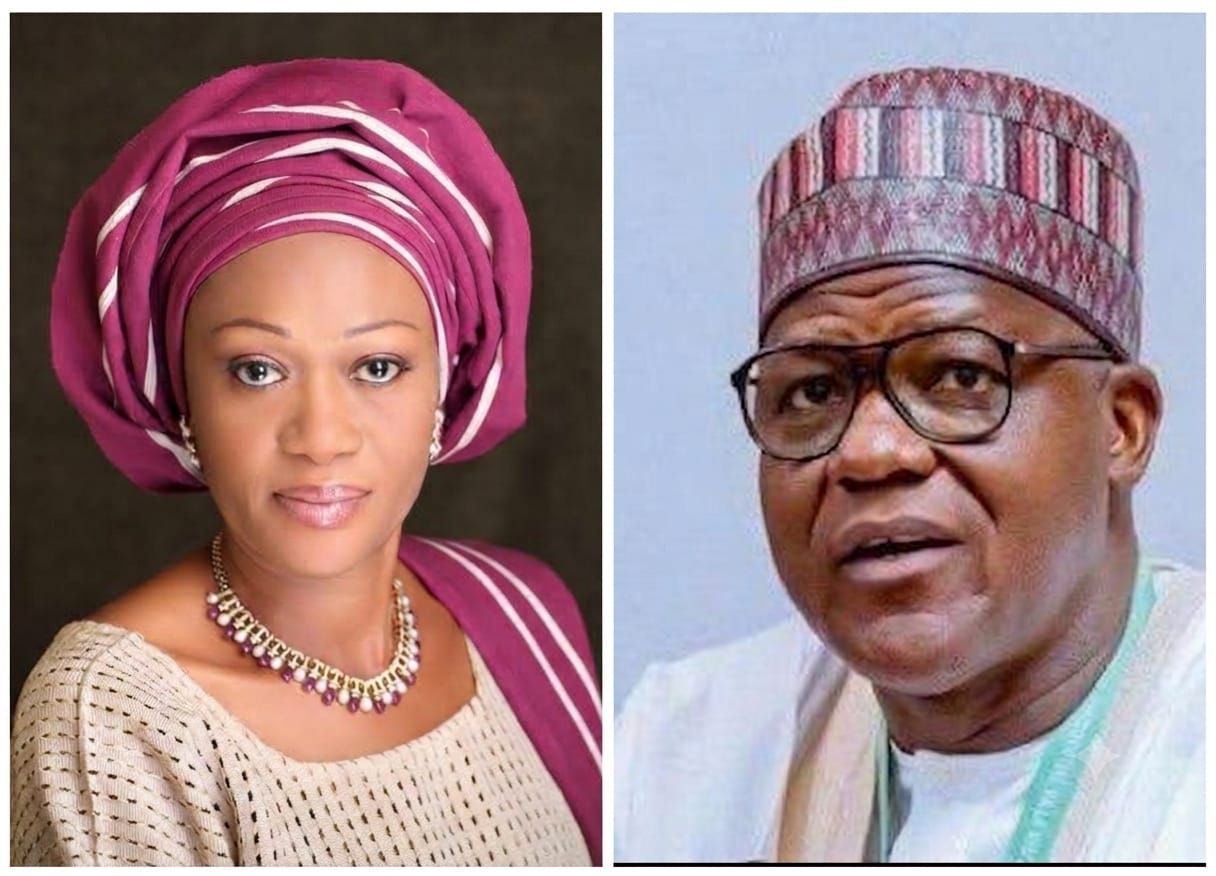
Former Speaker of the House of Representatives and Chairman, Board of the National Credit Guarantee Company Limited (NCGC), Rt. Hon. Yakubu Dogara, CFR has joined Nigerians across the nation in celebrating the First Lady of the Federal Republic of Nigeria, Senator (Mrs) Oluremi Tinubu, CON, OON, as she marks her 66th birthday.
In a statement released to commemorate the milestone, Dogara described the First Lady as “a woman of extraordinary grace, resilience, and compassion” whose life and service have been deeply woven into the fabric of Nigeria’s democratic journey. He noted that Senator Tinubu has not only stood unwaveringly by President Bola Ahmed Tinubu, GCFR, through decades of political struggle and triumph, but has also distinguished herself as a leader, humanitarian, and advocate for the vulnerable.“Senator Oluremi Tinubu has consistently demonstrated humility, compassion, and an unshakable commitment to public service.
Her tireless advocacy for the disadvantaged, her devotion to democratic ideals, and her ability to inspire hope have left an indelible mark on our nation,” Dogara said.The former Speaker recalled her distinguished career in the Senate, where she served three consecutive terms and championed legislations that advanced education, social welfare, and gender equality. He emphasized that her purposeful interventions and humanitarian projects have touched countless lives, reinforcing her reputation as a beacon of hope and inspiration.
Dogara further praised her ability to balance her role as a supportive wife to the President with her own leadership responsibilities. “Her loyalty and resilience in standing by Mr. President, while also pursuing her own impactful initiatives, reflect her devotion to the ideals of nation-building and her vision for a progressive Nigeria,” he remarked. He also highlighted her compassion for humanity, noting that her initiatives have empowered women, supported children, and provided relief to disadvantaged communities across the country. “Senator Oluremi Tinubu is more than the First Lady; she is a symbol of strength, humility, and service whose influence transcends politics and resonates deeply with ordinary Nigerians,” Dogara added.
As she celebrates this milestone, Dogara joined family, friends, associates, and well-wishers in offering prayers for her continued good health, strength, and fulfilment. “May the Almighty God bless her abundantly, grant the desires of her heart, and endow her with greater grace to remain an icon of leadership and inspiration to generations of Nigerians,” he concluded.The message closed with a celebratory note: “Congratulations and Happy 66th Birthday to the First Lady of the Federal Republic of Nigeria, Senator Oluremi Tinubu, CON, OON.
China’s continued opening-up fuels shared growth opportunities

By He Yin, People’s Daily
The 23rd China-ASEAN Expo and the China-ASEAN Business and Investment Summit opened on Sept. 17 in Nanning, south China’s Guangxi Zhuang autonomous region.
The venue brimmed with vitality. Stalls showcasing regional specialties such as durians, coffee, and intricately carved rosewood crafts drew steady crowds. At a special Pinglu Canal exhibition area, merchants from ASEAN nations learned about this river-sea “golden waterway.” An “AI superstore” featured over 70 enterprises presenting more than 500 consumer AI products, which visitors could test and purchase right on site.
This vibrant gathering offered a vivid illustration of the expo’s theme “CAFTA (China-ASEAN Free Trade Area) 3.0 Opportunities, Better Life.” The high value of China’s opportunities is translating into tangible gains for people across China and ASEAN.
This year marks the fifth anniversary of the establishment of the China-ASEAN comprehensive strategic partnership and the 35th anniversary of China-ASEAN dialogue relations. Over the past 35 years, ties between China and ASEAN have developed by leaps and bounds, from the establishment of dialogue relations to the building of a closer China-ASEAN community with a shared future, driving sustained expansion and upgrading of cooperation across a wide range of areas.
China has been ASEAN’s largest trading partner for 17 consecutive years, while ASEAN has held the same position for China for six years. In the first eight months of this year, trade between China and ASEAN reached 5.95 trillion yuan ($890 billion), up 20.6 percent year on year. Mutually beneficial cooperation keeps reaping greater rewards, bringing tangible gains to over 2 billion people on both sides.
The expo this year coincided with the inauguration of the Pinglu Canal, a nationally coordinated infrastructure milestone. As the first river-to-sea canal project planned and coordinated at the national level since the founding of the People’s Republic of China in 1949, it represents a major breakthrough in regional connectivity and has been described by overseas media as a new “logistics lifeline” linking China and ASEAN.
The combined opportunities of the expo as a “golden platform” and the canal as a “golden waterway” are helping two-way exchanges between China and ASEAN pick up speed.
This year is also a crucial year for accelerating the implementation of the upgraded CAFTA 3.0 protocol signed last year. Focusing on the new opportunities brought by CAFTA 3.0, this year’s expo has expanded its exhibition areas for the digital economy and green and low-carbon development, added a dedicated “AI + finance” section, and for the first time set up an “AI marketplace” and held a China-ASEAN AI matchmaking event.
High-tech products such as AI glasses, household AI robots, and photovoltaic cleaning robots have become new attractions at the expo.
Cooperation in areas such as digital economy, green economy, blue economy and AI is closely aligned with the development and transformation needs of ASEAN countries and is emerging as a new highlight of China-ASEAN cooperation.
According to data from the China Association of Automobile Manufacturers, China exported 2.355 million new energy vehicles in the first half of 2026, up 120 percent year on year, with strong demand and robust performance in ASEAN markets. China’s computing infrastructure and AI services are also expanding into ASEAN markets at a faster pace, helping local businesses lower the barriers to AI adoption.
The benefits of China’s high-quality development and high-standard opening up continue to spread, creating new space and generating fresh momentum for China-ASEAN cooperation.
Since September, a series of major events showcasing China’s opening up have been held one after another.
The 21st China International Small and Medium Enterprises Fair was held in Guangzhou, south China’s Guangdong province, with an aim to empower small and medium-sized enterprises with AI and provide Chinese and foreign small and medium-sized enterprises with a targeted platform for matching supply with demand.
The 26th China International Fair for Investment and Trade concluded in Xiamen, southeast China’s Fujian province, bringing together businesspeople from 129 countries and regions to explore ways to expand two-way investment and promote global development.
The 2026 China International Fair for Trade in Services also concluded in Beijing, where more than 200 new achievements were unveiled, over 100 products and services made their global or national debuts, and 200 forums, meetings and business matchmaking and promotion events were held in succession, highlighting the growing international influence of Chinese services.
Through these major events, the international community has witnessed China’s resolute strides in advancing high-standard opening up, and felt the robust momentum that China’s new quality productive forces are injecting into global growth.
Against the backdrop of a complex and volatile international landscape, the rougher the seas, the more important it is for all sides to strengthen the bonds of cooperation and promote a universally beneficial and inclusive economic globalization.
Through concrete actions, China is sending a clear message to the world: China will continue to pursue high-quality development, expand high-standard opening up, share opportunities with countries around the world and work together to create greater prosperity.