Green consumption gains momentum among young Chinese

By Wang Ke, Dou Hao, People’s Daily

As environmental awareness continues to grow, green and low-carbon consumption has become a key factor influencing consumer decisions in China, especially among young people.

From preferring sustainable brands to choosing energy-efficient products and eco-friendly transportation, “green” is a defining term for the evolving consumption trends of China’s younger generation.

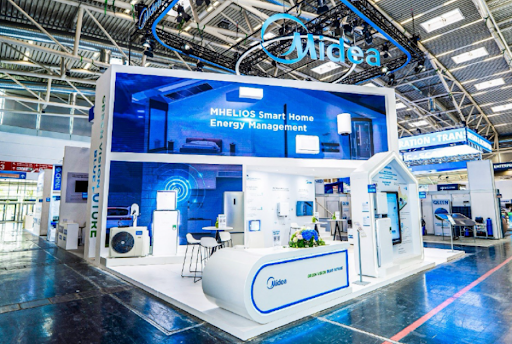
“Although it’s a bit more expensive than standard models, the trade-in program makes it a great deal, and most importantly, it’s energy-efficient and environmentally friendly,” said Chen Jian, a post-90s consumer, who was shopping for an air conditioner at a home appliance store in southwest China’s Chongqing municipality.

After comparison, Chen bought a new model equipped with an AI-powered energy-saving chip. This smart air conditioner can detect temperature differences between indoor and outdoor environments in real time, automatically adjusting its settings to maintain comfort while reducing annual electricity consumption by more than 10 percent.

China’s policy-backed consumer goods trade-in program has further stimulated consumer enthusiasm for automobiles, home appliances, and home furnishings, among which energy-efficient products are in high demand.

According to China’s e-commerce platform Suning.com, since the launch of a new round of trade-in program for home appliances in August 2024, the sales of energy-efficient washer-dryers, smart air conditioners, and built-in combi steamers have surged by 129 percent, 135 percent, and 228 percent respectively.

“Compared to traditional cars, new energy vehicles (NEVs) are energy-saving and eco-friendly. They’re also packed with highly appealing smart features,” said Wang Li, a consumer born in the 1990s, at an NEV booth in a shopping mall in Beijing’s Chaoyang district.

In 2024, China’s annual NEV production and sales surpassed the 10million milestone for the first time,with sales of NEVs accounting for 40.9 percent of the country’s total new vehicle sales. Online surveys show that consumers born in the 1980s and 1990s make up a larger share of potential NEV buyers.

While the trade-in program fuels young consumers’ shopping enthusiasm, it also significantly propels resource recycling. Over 75 percent of China’s certified vehicle scrapping companies now have the capacity to dismantle NEVs. In 2024, China recycled 8.46 million scrapped vehicles, marking a 64 percent year-on-year increase.

“It’s not that new products are out of my budget, but second-hand goods offer a higher cost-performance ratio,” said Hu Yuxing, a 24-year-old newcomer to Hangzhou, east China’s Zhejiang province, who often shops for clothing, bags, cosmetics and home furnishings in second-hand markets.

More and more young people are turning to second-hand goods trading platforms, both to sell unused items for extra cash and tohunt for hidden gems.

According to Xianyu, one of China’s largest second-hand goods trading platforms, the number of userson the platform has surpassed 600 million, with an average daily transaction volume exceeding 1 billion yuan ($137.9 million). More than 100 million users listed their idle items on the platform in a year, with 4 million new listingsevery day. Notably, more than half of the platform’s users were born after 1995 and 2000.

“For young people, buying and selling second-hand items reflects a rational and eco-conscious approach to consumption, which has become their way of life,” said Li Shijie, head of Xianyu’s offline business operations. “We aim to connect more idle resources in society, improve the circulation of second-hand goods, and support the growth of green consumption,” Li added.

Around midday, in an office building near Zhongshan Road in Shijiazhuang, north China’s Hebei province, Liu Xinyu, born after 1995, opened a food delivery app on her phone. She began scrolling through the options, especially looking for small-portioned meals. “They’re more affordable, well-balanced with both meat and vegetables. More importantly, they can help reduce food waste – perfect for dining alone,” she explained.

In the past two years, Chinese meal delivery platforms have increasingly introduced “small” and “half-portion” meals, reflecting young consumers’ growing demand for more flexible and efficient dining options. This shift is part of a broader trend, as sustainable practices like “recycling used bottles” and “reusing packaging” also gain popularity among young people in China.

Wei Chenhao, a 24-year-old employee in Shijiazhuang, has embraced green commuting. For his 15-kilometer daily commute, he combines a shared bike with the subway. “Driving to work just means getting stuck in traffic jams and burning fuel. But with the bike and subway, I get there in just 30 minutes and spend less than 5 yuan per trip,” he said.

Young Chinese are increasingly embracing eco-friendly consumption, from food and fashion to transportation and daily necessities.

According to an official from China’s Ministry of Commerce, promoting green consumption is significant forChina to achievethe dual carbon goals of peaking carbon emissions by 2030 and achieving carbon neutrality by 2060, foster a new development paradigm, and promotehigh-quality development.

The official said that China will launch arange of activities to encourage green consumption, enhance consumer participation, and further unleash the potential of green consumption.

Why has China’s new development philosophybecomeglobal public good?

By Gong Ming, People’s Daily

Today, China’s new development philosophy has gained global recognition, becoming a broadly welcomed global public good.

In 2024, more than ten foreign heads of state and chiefs of government visited tech companies in southChina’s tech hub ofShenzhen. Anji, east China’s Zhejiang province, where the principle that “lucid waters and lush mountains are invaluable assets” was introduced, was recognized by the United Nations as a “Biodiversity Charming City.” Besides, development training programs hosted by China have seen enthusiastic participation from other developing countries.

Why are so many countries looking to China?

Because China has embarked on a modernization path different from that of the West, offering the world a new development perspective.

China’s success inlifting 800 million people out of poverty has proven that developing countries can eliminate poverty, when there is endurance, perseverance and striving spirit. The Pinglu Canal in south China’s Guangxi Zhuang autonomous region is under construction, and aerial footage of the project has stunned foreign netizens, who call it a “sci-fi-level engineering feat.”

Meanwhile, Chinese electric vehicles are winning fans worldwide, mobile payment is expanding across borders, and AI models like DeepSeek are showcasing what some call an “Eastern miracle.” Many countries are realizing: the future is already here.

Does China’s development philosophy work for others? The evidence suggests that it does.

In Laos, a village has drawn inspiration from the poverty alleviation efforts of Shibadong village in central China’s Hunan province, creating a blueprint for sustainable development. Uzbekistan is piloting Chinese poverty alleviation experience in various regions and cities, steadily reducing its domestic poverty rate. Rwanda has adopted China’s e-commerce practices to boost its economic growth.

China’s development experience – rooted in its own national conditions – resonates both emotionally and practically with many other developing countries. As Peruvian President Dina Boluarte noted, “From China, we have learned that nothing is impossible.”

From the Mombasa-Nairobi Standard Gauge Railway in Kenya and the Phnom Penh-Sihanoukville Expressway in Cambodia to Nigeria’sMurtala Muhammed International Airport and Peru’sChancay Port, China-built infrastructure projects have delivered tangible benefits to local communities. Meanwhile, they represent China’s deep commitment to global development – a globalized expression of the country’s new development philosophy.

As an ancient Chinese goes,”If you want to get rich, build a road first.”This ancient wisdom has guided China’s own development, from the early days of reform and opening up to the battle against poverty. Now, as part of high-quality Belt and Road cooperation, this experience is extending globally, providing other developing nations with a powerful strategy to eliminate poverty and improve people’slivelihoods.

When visiting China, foreign political leaders often carve out time from their tight schedules to explore rural villages and learn more about China’s development stories. Upon returning to their countries, many turn to books like “Xi Jinping: The Governance of China,””Xi Jinping’s Excerpts on Poverty Alleviation,” and “Up and Out of Poverty,” studying China’s policies and adapting them to their own national conditions.

Can a country’s development philosophy become a global public good? Definitely.

Traditionally, global public goods, such as UN peacekeeping operations and the Paris Agreement on climate change, are mechanisms and actions that require collaboration and cooperation within the international community. They often address issues related toglobal security, economic stability, and environmental protection, benefiting multiple countries and even the entire world.

However, this is a narrow definition. Concepts with universal value can also foster global consensus on issues of common concern, driving global cooperation and development.

In recent years, China’s proposals and initiatives – including the vision of building a community with a shared future for mankind, the Belt and Road Initiative, the Global Development Initiative, the Global Security Initiative, the Global Civilizations Initiative, the people-centered development philosophy, sustainable development, and win-win cooperation – have gained traction worldwide.

These ideas have not only guided China’s own development but also provided experience and wisdom for the international community, becoming global public goods in both theory and practice.

China is ready to share its successful development experience with other countries to achieve common progress. Today, less than 1 billion people in the world have achieved modernization, with over 700 million people still suffering from hunger. China firmly believes that true development isdevelopment for all, and the frontrunners should give a hand to other countries who are yet to catch up. Only by making the pie of development bigger can the world achieve shared prosperity.

As China’snew development philosophy continues to gain global recognition andbe actively implemented worldwide, especially in developing countries, it has become a broadly welcomed global public good.

China’s new specialties: weaving Chineseflavors into world’s tables

By Zhou Shanshan, People’s Daily

Open a Chinese shopping app and search for “foie gras” and “caviar,”and you might be surprised to find that many of these traditional Western delicacies are now labeled as “shipped directly from Linqu, Shandong province” or “made in Ya’an, Sichuan province.”

On social media platforms, there are many popular reviews comparing foie gras from Shandong and Anhui provinces, or discussing the subtle flavor differences between caviar sourced from Sichuan, Zhejiang, and Hubei.

It’s not just foie gras and caviar; whisky, cranberries, olives, and many other once-exotic imports have quietly taken root in China, transforming into thriving industries. These products are now accessible to both Chinese and international consumers, offering a wider range of consumption choices. Netizens have coined a new term for them: “China’s new specialties.”

The rise of these “new specialties” reflects China’s booming and upgrading consumer market, as well as the the country’s agile and sophisticated industrial system.

Through large-scale cultivation, Chinese domestically produced caviar, foie gras, matcha, and other food products have gained a significant price advantage. As these premium yet affordable Chinese ingredients make their way onto everyday dining tables, they in turn drive industrial upgrading, fostering higher quality and stronger branding in agriculture and food manufacturing.

From this perspective, the success of these “new specialties”represents a perfect alignment between market demand and supply capacity, demonstrating the increasing adaptability and flexibility of China’s supply-demand structure.

Turning foreign delicacies into local specialties is not just a matter of simple replication; it requires careful adaptation to local conditions.

For instance, olive trees, native to the Mediterranean coast, were introducedto Longnan, northwest China’s Gansu province, only after experts conducted extensive research and confirmed that the local climate and soil conditions were suitable for cultivation. As the industry developed, local producers leveraged agricultural technology to enhance quality, making the locally grown olive trees gain international recognition.

Thanks to technological advancements, China’s new specialties are not only thriving domestically but also making their way onto the global stage.

In Tongren, southwest China’s Guizhou province, a high-standard matcha production base has been established, complete with four world-class matcha refining lines. The region now exports over 1,200 tons of matcha annually to more than 40 countries and regions.

The macadamia nut industry in southwest China’s Yunnan province is another remarkable success story of agricultural adaptation. What began with just five saplings imported from Australia has blossomed into the world’s largest macadamia production hub. The region has developed a comprehensive industrial chain, covering everything from innovative R&D and seedling development to large-scale cultivation, sophisticated processing facilities, and global distribution networks.Behind this journey lies China’s efforts to improve the industrial, production, and business operation systems in the agricultural sector.

As agricultural innovation expands into high-value markets, these “new specialties” are not only boosting incomes for rural communities but driving transformation in manufacturing, commerce, and tourism.

In Jixi county, east China’s Jiangxi province, the flavors industry has expanded into “fragrance tourism.” In Menglian, Yunnan, the local avocado industry has been integrated into traditional cultural festivals. These examples illustrate how agriculture has evolved from a single production model to an integrated approach combining agriculture, culture and tourism. They also demonstrate how an open China is turning “foreign imports” into “domestic strengths,” reinforcing confidence in the country’s economic development.

China’s robust logistics network is reshaping global food trade patterns.Every four days, two tons of Yunnan blueberries are airfreighted to Dubai, the United Arab Emirates. Chinese caviar reaches overseas dining tables within just three days after customs clearance.

From the three major ten-intensive green products, or “new three” – new energy vehicles, lithium-ion batteries, and photovoltaic products, to the new wave of cultural and entertainment products, including online short-format dramas, novels and games, China’s new specialties, supported by a dual circulation that connects both domestic and international markets, are benefiting the world through global cooperation.

When French chefs collaborate with Chinese companies on foie gras processing techniques, or when a Russian customer remarks that Sichuan’s caviar reminds him of childhood memories by the Volga River, these “new specialties” become bridges for cross-cultural exchanges.

This model, where foreign supply stimulates domestic demand and localized production then feeds back into the global market, embodies the spirit of harmonious coexistence and mutual benefit.

By embracing global resources with an open approach and empowering local industries through innovation, China is seamlessly weaving its flavors into the world’s dining table. This profound shift represents not only the transformation of a major agricultural country, but reflects the confidence and inclusiveness of an ancient civilization thriving in the age of globalization.

China launches action plan to stabilize foreign investment

By Luo Shanshan, People’s Daily

As of the end of 2024, foreign investors had established nearly 1.24 million enterprises in China, with actual use of foreign capital reaching 20.6 trillion yuan ($2.84 trillion).

Recently, China released the 2025 Action Plan for Stabilizing Foreign Investment. To address common concerns and demands raised by foreign enterprises, the plan introduces 20 policy measures across four key areas: expanding self-initiated opening-up in an orderly manner, improving the level of investment promotion, strengthening the functions of opening-up platforms, and redoubling efforts to enhance services.

Overall, the Action Plan stands out in four key aspects.

First, it sends a strong signal of further expanding opening up.

The Action Plan proposes a series of measures to expand pilot programs in sectors such as telecommunications, healthcare, and education. It aims to improve the national comprehensive demonstration zones for expanding opening up in the services sector, further reduce items on the negative lists for market access, expand institutional opening up in rules, regulation, management and standards in free trade zones, and improve the standards of export-oriented economy in national economic and technological development zones.

Second, the Action Plan strengthens policy support.

The plan includes measures to encourage more high-qualitylong-term foreign investmentin listed Chinese companies, research and formulate policies that promote reinvestment by foreign-invested enterprises, encourage foreign investment in a wider range of industries, remove restrictions on foreign-invested investment companies’ access to domestic loans, facilitate more rapid launch of new drugs, and support the participation of qualified foreign-invested enterprises in the segmented production of biological products on a pilot basis.

Third, the Action Plan actively promotes foreign investment.

The plan says China will meticulously design and implement a series of”Invest in China” events and fully activate bilateral investment promotion working groups to boost project matchmaking. According to the plan, central and local governments will make coordinated efforts in organizing overseas investment promotion events. China will also refine the rules for setting up foreign-invested investment companies, refined merger and acquisition rules and transaction procedures and support participation by foreign-invested enterprises in China’s new industrialization process.

Fourth, the Action Plan addresses key concerns of foreign enterprises.

The Action Plan encourages the inclusion of more foreign-invested projects in the lists of major and key foreign-invested projects. China will speed up developing and issuing relevant documents to specify the standards of domestic products in government procurement, optimize volume-based drug procurement, and continue to expand the coverage of its unilateral visa-free policy in a prudent manner. Besides, China will also organize targeted bank-enterprise matchmaking events, and improve the level of trade facilitation for foreign-invested enterprises.

Vice-minister of commerce and deputy China international trade representative Ling Ji emphasized that the Ministry of Commerce will work closely with local governments and other departments to implement the Action Plan effectively, ensuring quality services for foreign-invested enterprises and creating favorable conditions for companies worldwide to invest in China and benefit from its development opportunities.

While factors such as sluggish global cross-border investment and changes in domestic industry development have led some multinational corporations to adjust their investment strategies, but China’s economy has a stable foundation, numerous strengths, remarkable resilience and vast potential, and the dominating trend of a sound Chinese economy for the long term and the elements supporting it have not changed.

The country’s massive market size, highly efficient and complete industrial and supply chains, and continuously improving innovation ecosystem provide a solid foundation for foreign investment.

Recently, the 2025 China Business Climate Survey Report released by the American Chamber of Commerce in China revealed that nearly 70 percent of surveyed companies in the consumer sector expect to increase their investment in China in 2025.

Additionally, data from the China’sNational Bureau of Statistics showed that in 2024, the profit margin of industrial enterprises above the designated size nationwide was 5.4 percent, while that of foreign-invested industrial enterprises above the designated size was 6.6 percent, 1.2 percent higher than the former.

The Action Plan clearly states that measures should be put in place and take effect in 2025. This demonstrates the Chinese government’s firm confidence in and commitment to supporting foreign enterprises in investing and expanding their presence in China.

Hua Zhong, head of the department of foreign capital and overseas investment at the National Development and Reform Commission (NDRC), stated that at the end of last year, the NDRC, in collaboration with the Ministry of Commerce, released a draft for public consultation on the revision of the Catalogue of Industries for Encouraging Foreign Investment.

The draft contains approximately 1,700 items—over 200 more than the 2022 version. Currently, revisions are being made based on feedback from various stakeholders, and the final version of the 2025 catalog will be released as soon as procedural requirements are met.

The new catalog will prioritize the inclusion of sectors such as advanced manufacturing, modern services, high-tech industries, and environmental protection while also encouraging more foreign investment in the central, western, and northeastern regions of China.

Green consumption gains momentum among young Chinese

By Wang Ke, Dou Hao, People’s Daily

As environmental awareness continues to grow, green and low-carbon consumption has become a key factor influencing consumer decisions in China, especially among young people.

From preferring sustainable brands to choosing energy-efficient products and eco-friendly transportation, “green” is a defining term for the evolving consumption trends of China’s younger generation.

“Although it’s a bit more expensive than standard models, the trade-in program makes it a great deal, and most importantly, it’s energy-efficient and environmentally friendly,” said Chen Jian, a post-90s consumer, who was shopping for an air conditioner at a home appliance store in southwest China’s Chongqing municipality.

After comparison, Chen bought a new model equipped with an AI-powered energy-saving chip. This smart air conditioner can detect temperature differences between indoor and outdoor environments in real time, automatically adjusting its settings to maintain comfort while reducing annual electricity consumption by more than 10 percent.

China’s policy-backed consumer goods trade-in program has further stimulated consumer enthusiasm for automobiles, home appliances, and home furnishings, among which energy-efficient products are in high demand.

According to China’s e-commerce platform Suning.com, since the launch of a new round of trade-in program for home appliances in August 2024, the sales of energy-efficient washer-dryers, smart air conditioners, and built-in combi steamers have surged by 129 percent, 135 percent, and 228 percent respectively.

“Compared to traditional cars, new energy vehicles (NEVs) are energy-saving and eco-friendly. They’re also packed with highly appealing smart features,” said Wang Li, a consumer born in the 1990s, at an NEV booth in a shopping mall in Beijing’s Chaoyang district.

In 2024, China’s annual NEV production and sales surpassed the 10million milestone for the first time,with sales of NEVs accounting for 40.9 percent of the country’s total new vehicle sales. Online surveys show that consumers born in the 1980s and 1990s make up a larger share of potential NEV buyers.

While the trade-in program fuels young consumers’ shopping enthusiasm, it also significantly propels resource recycling. Over 75 percent of China’s certified vehicle scrapping companies now have the capacity to dismantle NEVs. In 2024, China recycled 8.46 million scrapped vehicles, marking a 64 percent year-on-year increase.

“It’s not that new products are out of my budget, but second-hand goods offer a higher cost-performance ratio,” said Hu Yuxing, a 24-year-old newcomer to Hangzhou, east China’s Zhejiang province, who often shops for clothing, bags, cosmetics and home furnishings in second-hand markets.

More and more young people are turning to second-hand goods trading platforms, both to sell unused items for extra cash and tohunt for hidden gems.

According to Xianyu, one of China’s largest second-hand goods trading platforms, the number of userson the platform has surpassed 600 million, with an average daily transaction volume exceeding 1 billion yuan ($137.9 million). More than 100 million users listed their idle items on the platform in a year, with 4 million new listingsevery day. Notably, more than half of the platform’s users were born after 1995 and 2000.

“For young people, buying and selling second-hand items reflects a rational and eco-conscious approach to consumption, which has become their way of life,” said Li Shijie, head of Xianyu’s offline business operations. “We aim to connect more idle resources in society, improve the circulation of second-hand goods, and support the growth of green consumption,” Li added.

Around midday, in an office building near Zhongshan Road in Shijiazhuang, north China’s Hebei province, Liu Xinyu, born after 1995, opened a food delivery app on her phone. She began scrolling through the options, especially looking for small-portioned meals. “They’re more affordable, well-balanced with both meat and vegetables. More importantly, they can help reduce food waste – perfect for dining alone,” she explained.

In the past two years, Chinese meal delivery platforms have increasingly introduced “small” and “half-portion” meals, reflecting young consumers’ growing demand for more flexible and efficient dining options. This shift is part of a broader trend, as sustainable practices like “recycling used bottles” and “reusing packaging” also gain popularity among young people in China.

Wei Chenhao, a 24-year-old employee in Shijiazhuang, has embraced green commuting. For his 15-kilometer daily commute, he combines a shared bike with the subway. “Driving to work just means getting stuck in traffic jams and burning fuel. But with the bike and subway, I get there in just 30 minutes and spend less than 5 yuan per trip,” he said.

Young Chinese are increasingly embracing eco-friendly consumption, from food and fashion to transportation and daily necessities.

According to an official from China’s Ministry of Commerce, promoting green consumption is significant forChina to achievethe dual carbon goals of peaking carbon emissions by 2030 and achieving carbon neutrality by 2060, foster a new development paradigm, and promotehigh-quality development.

The official said that China will launch arange of activities to encourage green consumption, enhance consumer participation, and further unleash the potential of green consumption.

China, EU should be partners contributing to each other’s success

By He Yin, People’s Daily

This year marks the 50th anniversary of the establishment of diplomatic relations between China and the European Union (EU)—an important milestone that bridges the past and future, offering a crucial moment to reflect on and advance China-EU ties.

Recently, China has engaged in diplomatic exchanges with multiple EU countries, sending a strong message to the international community about their shared commitment to multilateralism and free trade. These interactions reaffirm that China and the EU can serve as forces of stability and certainty in an increasingly turbulent world.

China always views its relations with Europe from a strategic and long-term perspective. The development of China-EU relations has always been a priority in China’s diplomacy.

The two sides share a wide range of common interests, with more cooperation than competition and more consensus than differences. The key to strengthening China-EU relations lies in respecting each other’s choice of social systems and development paths, as well as each other’s core interests and major concerns.

The more severe and complex the international situation becomes, the more China and the EU should adhere to the original aspirations of establishing diplomatic relations, strengthen strategic communication, enhance strategic mutual trust, and uphold the positioning of partnership.

There exist no clash of fundamental interests or geopolitical conflicts between China and the EU; making them partners that can contribute to each other’s success.

As defenders of the multilateral trading system, the two sides have already formed a strong economic symbiotic relationship. China-EU relations have not only contributed to their respective development but also made significant contributions to global peace and prosperity. They are each other’s major trading partners and investment destinations. In 2024, China-EU trade volume is forecast to have reached$785.8 billion, and the two-way investment stock $260 billion.

China remains committed to high-quality development and high-standard opening up, and sharing development opportunities with other countries. China is ready to synergize its Belt and Road Initiative with the EU’s Global Gateway, fostering greater connectivity and mutual benefits on a global scale.

China and the EU should fully recognize that their economic cooperation is in essence complementary and mutually beneficial, and jointly promote a universally-beneficial and inclusive economic globalization.

While differences and even frictions exist in their trade and economic cooperation, both sides should work toward the same direction, handle them properly, and safeguard the broader framework of China-EU economic cooperation.

China-EU relations are related to the prosperity of Eurasia and the stability of the global structure. Both sides should work together to nurture and develop their relations. China serves as a source of stability in a rapidly changing world and remains committed to being a constructive force for global progress. China has always regarded Europe as an important pole in a multipolar world,  firmly supported European integration, and backed the EU’s pursuit of strategic autonomy.

Both China and the EU uphold the principles of the UN Charter, advocate multilateralism, safeguard free trade, and reject bloc confrontation. Rather than viewing each other as competitors, they should work as partners.

In the face of rising unilateralism and protectionism, China and the EU must stand more firmly in upholding the international system with the United Nations at its core, the international order underpinned by international law and the basic norms of international relations based on the purposes and principles of the UN Charter.

The multipolarization of the world is a historical inevitability, but multipolarization doesn’t necessarily mean chaos, conflict, domination by major countries, or the strong bullying the weak. China and the EU should work together to promote a universally beneficial and inclusive economic globalization, so as to make equal rights, equal opportunities, and equal rules a basic principle of a multipolar world, and let every country find its place and play its role in the multipolar order.

The history of China-EU relations demonstrates that as long as both sides uphold mutual respect, treat each other as equals, and engage in candid dialogue, they can advance cooperation and make significant achievements.

In today’s uncertain international environment, filled with mounting global challenges, China and the EU must stand on the right side of history and human progress, and take historical responsibility. Anchored in their partnership, both sides should focus on the mainstream of dialogue and cooperation, stick to the keynote of mutual benefit, and continue to be reliable, respectful, and long-term partners of each other. By working together, China and the EU can help steer the world to a bright future of peace, security, prosperity and progress.

Chinese cinema: contributing wisdom to global cultural landscape

By He Yin, People’s Daily

Chinese animated blockbuster “Ne Zha 2” has been released in countries such as Australia, New Zealand, the United States, Canada, and Fiji, with impressive presales and enthusiastic responses.

A review on the Internet Movie Database (IMDb), widely quoted by global media outlets, highlights that the movie not only showcases the strongpower of Chinese animation but also demonstrates the infinite possibilities of traditional Chinese mythology in the modern context.

The seamless fusion of cultural heritage and innovation has allowed Chinese cinema to captivate audiences worldwide. In “Ne Zha 2,” intricate cultural details – such as the mythical “boundary guardian beasts” inspired by the golden masks excavated from the Sanxingdui Ruins, and the humorous Sichuan dialect spoken by Ne Zha’s mentor Taiyi Zhenren – highlight the ingenuity of Chinese filmmaking in reimagining traditional Chinese symbols for today’s audience.

The profound and rich Chinese cultural heritage serves as an endless source of inspiration. The legendary figure of Ne Zha has evolved across different eras of artistic expression. By merging Eastern mythology with contemporary values and blending heroism with realism, “Ne Zha 2” delivers a seemingly stunning yet emotionally grounded ensemble story. The emotional values and realistic sentiments within the film reveal the depth and significance of fine traditional Chinese culture.

The film’s narratives – such as a young person’s growth and transformation, parental sacrifice and dedication, and the pursuit of justice – reflect shared experiences and universal emotions, allowing it to resonate with audiences from diverse cultural backgrounds.

Other blockbuster films from this year’s Spring Festival lineup have also garnered attention. “Detective Chinatown 1900” weaves personal destiny with national identity, offering both laughter and reflection: even in the face of adversity, the Chinese nation hasshown remarkable strength, thanks to generations of selfless individuals who have sacrificed their own interests for the greater good.

Meanwhile, “Operation Hadal” reignites national pride among the Chinese people and reinforces the country’s commitment to safeguarding world peace.

By embracing the vision of building a community with a shared future for mankind, continuing to explore China’srich cultural legacy, and expressing Chinese values through compelling narratives, Chinese cinema will keep contributing Chinese wisdom to the global cultural landscape.

The success of “Ne Zha 2″in both box office and reputation reflects the growing strength of China’s animation and broader film industry. The film’s closing credits list nearly 140 Chinese animation studios involved in the project, with all visual effects (VFX) produced by Chinese VFX teams. The booming Chinese film market has fueled the advancement of the country’s VFX technology, creating a cycle of mutual growth.

From “Monkey King: Hero Is Back” and “Legend of Deification” (known as “Jiang Zi Ya” in Chinese) reimaginingChinese classic mythology, to “Chang’an” bringing ancient Chinese poetry to life, Chinese animation teams have continuously experimented with innovation. By merging cutting-edge technologies with fine traditional Chinese culture,they have created a distinctive “Guochao” aesthetic, sparking the younger generation’s interest in Chinese cultural heritage.

China’s VFX industry is not only leading the world in technology but has also made major strides in content expression, providing a striking visual experience and artistic appeal rooted in Eastern aesthetics.

With each new release, Chinese cinema tells China’s stories and showcasesits values and strength. These films serve as new windows for the world to observe modern China and as cultural bridges that foster exchanges between China and other countries.

With its rich cultural heritage, diverse storytelling, and boundless creative potential, China’s film industry is bound to bring more high-quality productions to global audiences. Through the combination of culture, storytelling, and technology, Chinese cinema will continue to win the hearts of viewers worldwide.

China committed to acting as an ‘enabler’

By He Yin, People’s Daily

Recently, a foreign scholar described China as an “enabler.” This term vividly encapsulates China’s commitment to building a community with a shared future for mankind and providing global public goods. It demonstrates China’s sense of responsibility as a major country in safeguarding world peace and promoting common development through concrete actions.

The concept of “enabler” aligns closely with traditional Chinese cultural values that emphasize harmonious coexistence and shared development.

An ancient Chinese sage observed, “A man of virtue, while establishing himself and pursuing success, also works to help others establish themselves and succeed.”This wisdom reflects China’s commitment to working with other countries for common progress while realizing its own development.

There is also an old Chinese saying: “To give people fish and you only provide them with one meal; to teach them to fish and they can benefit throughout their lives.” This expresses the idea that the key to helping others is to enhance their capabilities. Throughout history, China has pursued shared prosperity with other countries through coordination and cooperation.

China’s “enabler”role is evident in itsunswerving commitment to managing its own affairs well,expanding high-level opening up, and sharing development opportunities with the world. As animportant engine for global economic growth, China actively provides public goods for improving global governance and strives to be a steadfast constructive force in a changing world.

China is truly enabling the world while working to achieve national rejuvenation through the Chinese path to modernization. An essential requirement of Chinese modernization is building a community with a shared future for mankind, which is why China has always upheld the banner of peace, development, cooperation, and mutual benefit.

Professor Warwick Powell at Queensland University of Technology in Australia observed that in an era of multipolarity, Chinese modernization can only take the form of being an enabler – an enabler of national rejuvenation and of positive peace through decentered, even economic development worldwide.

While expanding high-level opening up, China enables the world by providing access to its vast, dynamic, and innovation-driven market.

With a massive consumer base and rapidly evolving demand, the “Chinese market” has become a “world market.” China has introduced a range of measuresto advance high-level opening up, such as removing all market access restrictions for foreign investors in the manufacturing sector, continuously improving the business environment, and granting zero-tariff treatment for 100 percent of tax lines from all the least developed countries that have established diplomatic relations with China. The inclusive and open Chinese market is unleashing dividends to the world, creating tremendous opportunities for global development.

While placing development at the center of the international agenda, China enables other developing countries through concrete actions.

The Belt and Road Initiative (BRI), widely acknowledged as a “precious gift” from China to the world, has significantly boosted economic growth and development in partner countries. Landmark projects such as the China-Laos Railway, the Jakarta-Bandung High-Speed Railway, and the Budapest-Belgrade Railway have facilitated the flow of people, goods, and information, strengthening development pathways.

Meanwhile, “small yet beautiful” projects – such as hybrid rice cultivation, vocational training, and solar-powered lighting installations – are tailored to local needs, strengthening the ability of BRI partner countries to achieve self-development and improvingtheir livelihoods.

While upholding true multilateralism, China enables global governance featuring extensive consultation and joint contribution for shared benefit.

China has put forward and implemented the Global Development Initiative, the Global Security Initiative, and the Global Civilizations Initiative, offering Chinese wisdom and solutions to addressing global challenges. At the same time, it has actively contributedto global climate governance, fulfilled its commitment to the Paris Agreement, and introduced the Global AI Governance Initiative and the AI Capacity-Building Action Plan for Good and for All. In the face of mounting global challenges, China has never stood idly by; instead, it has played an unprecedented role in global governance, injecting much-needed positive energy into the global governance system.

China continues to expand high-level opening up in 2025

By Luo Shanshan, Yang Yanfan, People’s Daily

Opening up is a distinct hallmark of Chinese modernization.

Since the beginning of 2025, various regions and government departments in China have been steadily enhancing institutional openingup andvoluntarily subscribing to high-standard international economic and trade rules.

Leveraging the strengths of its enormous market, China has been enhancing its capacity for opening upwhile expanding international cooperation with other countries, and developing new institutions for a higher-standard open economy.

On Jan. 1, the China-Maldives Free Trade Agreement(FTA) officially took effect, leading to zero tariffs on over 95 percent of tariff lines and import value between the two countries.

“Following the implementation of the FTA, import tariffs on washing machines in the Maldives dropped from 20 percent to zero,” said Wu Tong, an executive from Hisense International, the overseas business branch of Chinese multinational major appliance and electronics manufacturer Hisense Group.

“This year, we expect to benefit from tariff reductions totaling nearly 420,000 yuan ($57,920) on our home appliance exports to the Maldives,” Wu said.

China has been proactively aligning with high-standard international economic and trade rules, and expandingthe globally-oriented network of high-standard free trade areas.

“In 2025, our FTA negotiation agenda remains substantial,” said Li Yongjie, deputy international trade representative of China’sMinistry of Commerce.

According to the official, China will negotiate with additional interested countries and regions toexpand itsglobal network of high-standard free trade areas. At the same time, the country will ensure high-quality implementation of existing FTAs, so that these agreements can better serve businesses and people in both China and its free trade partner countries, said Li.

The impact of China’s openingup extends beyond trade figures. “When an engineer in New York flies a drone made in Shenzhen, when a young girl in Paris wears traditional Chinese costumefrom Guangzhou, or when an African family plays with toys from Chaozhou, it goes beyond the flow of goods – it’sabout the sharing of technology and exchanges of culture,” said Luo Guanghao, deputy mayor of Shenzhen municipal people’s governmentat Guangdong Provincial High-Quality Development Conference on Feb. 5.

According to Luo, Shenzhen, now a global hub for cross-border e-commerce, is home to 120,000 cross-border e-commerce sellers and hostsfour-fifths of the world’s top 20 cross-border e-commerce platforms.

In 2024, the value of China’s cross-border e-commerce imports and exports reached 2.63 trillion yuan, marking a 10.8 percent growth, unlocking even greater potential for the country in both “selling to the world” and “buying from the world.”

Since the beginning of this year, an increasing number of foreign investors have chosen to invest in China.

On Jan. 6,German automobile giant Volkswagen and Chinese new energy vehicle maker XPENG announced that they had signed a memorandum of understanding for strategic collaboration on a superfast charging network in China. On Jan. 15, Italy-based PiovanGroupopened its Asia-Pacific headquarters and a new facility in Suzhou, east China’s Jiangsu province. On Jan. 23, French multinational Air Liquide signed an agreement with Chinese enterprises in Yancheng, Jiangsu, to co-develop a green methanol project powered by biogas.

In 2025, China will continue to stabilize foreign investment, offering foreign investors a sound business environment where they can operate with confidence.

First, China has vowed to further shorten the negative list for foreign investment, making it easier for foreign-invested enterprises to access the Chinese market.

In 2024,the country further eased market access for foreign investors, including allowing the establishment of wholly foreign-owned hospitals in Beijing, Tianjin, and Shanghai, and removingall market access restrictions for foreign investors in the manufacturing sector. As a result, 59,080 new foreign-invested enterprises were established nationwide in 2024, up 9.9 percent yearonyear.

According to He Yadong, spokesperson for China’sMinistry of Commerce, in 2025, China will steadily advance the openingup of its services sector, expanding its pilot programs to open up fields such as telecommunications, medical services, and education. Additionally, it will work on expanding the catalog of encouraged industries for foreign investment to attract even more foreign investment.

Second, China will continue to improveits business environment and create a stable, transparent, and predictable policy environment.

On Feb. 5, Shanghai hosted its annualBusiness Environment Optimization Conference, unveiling action plan 8.0 version to further improve the city’s business environment. This marked the eighth consecutive year that Shanghai has held the city-wide business environment conference on the first working day after the Spring Festival holiday.

According to Simon Yang, president of Aptiv China and Asia Pacific, international enterprises often encounter varying local regulations when operating and investing in different countries. “But Shanghai stands out for its consistent policies on tax incentives, streamlined approval procedures, and regulatory stability,” said Yang.

By fostering a market environment for fair competition, where all business entities can equally access resources and compete on a level playing field, China is creating a world-class business environment while advancing high-level openingup, which is bound to propel the country’sopen economy to new heights.

China’s heavy-duty AGVsare rapidly expanding into international markets

By Sun Yi

As industries such as logistics and manufacturing continue to upgrade, ports and factoriesincreasingly require automated guided vehicles (AGVs) to handle ultra-heavy loads. This growing demand has created vast market opportunities for heavy-duty AGVs.

In recent years, China’s heavy-duty AGV sector has experienced rapid growth, driven by strong innovation capabilities and a reputation for reliable products. ManyChinese companies have not only solidified their presence in the local market but rapidly expanded into international markets.

Since the beginning of 2025, the factory of Tianjin Lonyu Robot Co., Ltd. (Lonyu) has been bustling with activity. Production lines are running at full capacity, and heavy-duty AGVs are undergoing intensive manufacturing and testing.

“We’ve been busy since the start of this year. In January alone, we received overseas orders worth 13 million yuan ($1.78 million),”said Ren Zhiyong, Lonyu’s chairman.

Heavy-duty AGVs are automated guided vehicles designed to carry loads exceeding two tons. They can provide automated and highly efficient solutions for transporting ultra-heavy, oversized, and extra-long materials. Widely adopted in industries such as automotive manufacturing, steel and metallurgy, and port logistics, they have become essential tools for improving production efficiency and reducing operational costs.

The heavy-duty AGV market is experiencing robust growth. Take the outdoor heavy-duty AGV segment as an example – data suggests that from 2021 to 2026, the sector’scompound annual growth rate in China will approach 25 percent.

Jaten Robotics, a leading high-tech company specializing in robot and automation, based in Foshan, south China’s Guangdong province, has recognized significant market potential for heavy-duty AGVs, as they can effectively meet the material handling needs in the local ceramics industry.

“I’ve visited so many manufacturing plants and witnessed the hardships workers face in material transportation, often in harsh working conditions,” said Chen Hongbo, Jaten’svice president. He added that AGVs can serve as “mechanical legs,” designed to relieve people from labor-intensive, monotonous, repetitive, and hazardous tasks.

The latest outdoor heavy-duty AGV released by Lonyu measures 14.4 meters in length, 3.4 meters in width, and 1.2 meters in height, with a load capacity of 300 tons. Itcan navigate factories with ease, not only climbing slopes and rotating but also maneuvering through narrow bends with remarkable agility. Specifically designed for intelligent, unmanned transport between workshops and across factory zones, itrepresents a significant technological advancement.

“Compared to indoor AGVs, this model integrates BeiDou positioning, inertial navigation, and visual perception technologies, allowing it to safely navigate complex environments while avoiding pedestrians and vehicles with high precision,” said Zhang Binpeng, Lonyu’s chief technology engineer.

Technological innovation is a constant driving force for the robotics industry. Lonyu continues to make technological breakthroughs, repeatedly setting new records for AGV load capacities. “In 2024, we delivered a heavy-duty AGV with a 600-ton load capacity, breaking the world record. We are now developing a model capable of carrying 1,000 tons,” said Ren.

Jaten also places a strong emphasis on research and development (R&D). “We invest 10-15 percent of our annual revenue into R&D to ensure continuous innovation,” said Chen.

Over the years, Jaten has secured over 600 patents and successfully developed a 20-ton drive unit, overcoming the industry’s reliance on imported core drive components.

Chinese heavy-duty AGVs are steadily gaining recognition in the international market, thanks to their high cost-effectiveness and ability to provide customized solutions.

In 2024, an Irish construction company sought two heavy-duty AGVs capable of synchronized lifts up to three meters – an exceptionally challenging requirement that many AGV manufacturers struggled to meet.

“They eventually found us through a distributor, and we quickly provided a detailed design proposal that won their approval,” said Shan Chenxi, general manager of Lonyu’s overseas sales center. After the machines were commissioned in Ireland, they received high praise from the client, who has decided to place bulk orders this year.

“Our products have been sold to 12 countries and regions, with overseas orders accounting for around 20 percent of our total sales,” Shan noted. He added that Lonyu israpidly expanding into global markets and aims to increase this figure to 50 percent within the next three to five years.”

Now, Jaten is collaborating with 70 Fortune Global 500 companies and has established overseas factories. According to Chen, the heavy-duty AGV market is still a “blue ocean.” Compared to foreign competitors, Chinese manufacturers have explored a wider range of applications and gained extensive experience in various scenarios, allowingthem to respond rapidly to diverse market needs. “This is a major competitive advantage for Chinese heavy-duty AGVs and lays the foundation for future standardization of these products,” Chen said.